
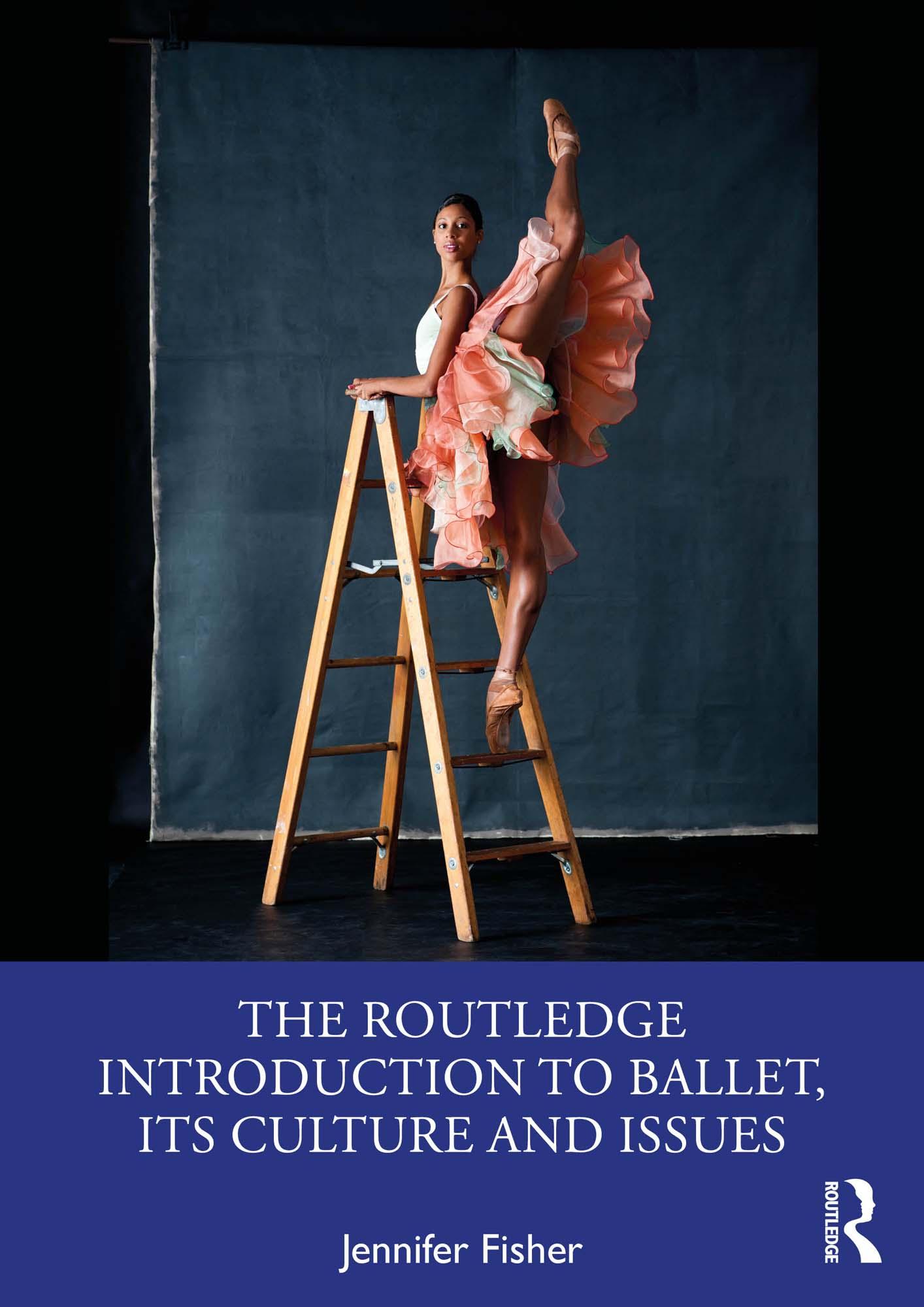
As an introduction to ballet’s history, culture, and meanings, this book draws on the latest ballet scholarship to describe the trajectory of a dance form that has risen to global ubiquity and benefited from many diverse influences along the way.
Organized around themes, the book explains how the manners, style, and hierarchies of ballet became such a strong part of its DNA. It addresses the origins of ballet’s aristocratic vocabulary and the ways in which it may be interpreted now, incorporating meanings that range from the aesthetic to the spiritual and the political. The Routledge Introduction to Ballet, its Culture and Issues explores how dancers and audiences have experienced ballet, how popular films have represented it, and who has been excluded and how that could change. The chapters highlight the people, institutions, and works that helped to establish ballet’s reputation, while also uncovering lesser-known influences and new ways of interpreting ballet. Lists of research resources—further readings, documentary films, and dance feature films—offer starting points for further avenues of learning. This book’s central premise is that all dance reflects the culture in which it develops and is capable of embodying and disseminating new ideas.
This is the definitive introduction for anyone drawn to ballet or seeking to understand it, and those looking to develop a thorough understanding of how ballet developed, the cultures that formed it, and what it can mean for today’s audiences, artists, and scholars.
Betala smidigt med kort, Klarna, Apple Pay eller Google Pay. Är du inte nöjd har du alltid 14 dagars ångerrätt. Läs mer i våra villkor. Har du några frågor, mejla oss på hello@memmo.org.
Memmo gör det enklare att plugga – var du än är i världen. Hos oss samlar du kursböcker och smarta studieverktyg på ett och samma ställe: sammanfattningar, quiz, poddar och flashcards. Och så Ted, din studiekompis som svarar på allt du undrar. Över 50 000 studenter pluggar redan här – byggt för att du ska lära dig snabbare och stressa mindre.