
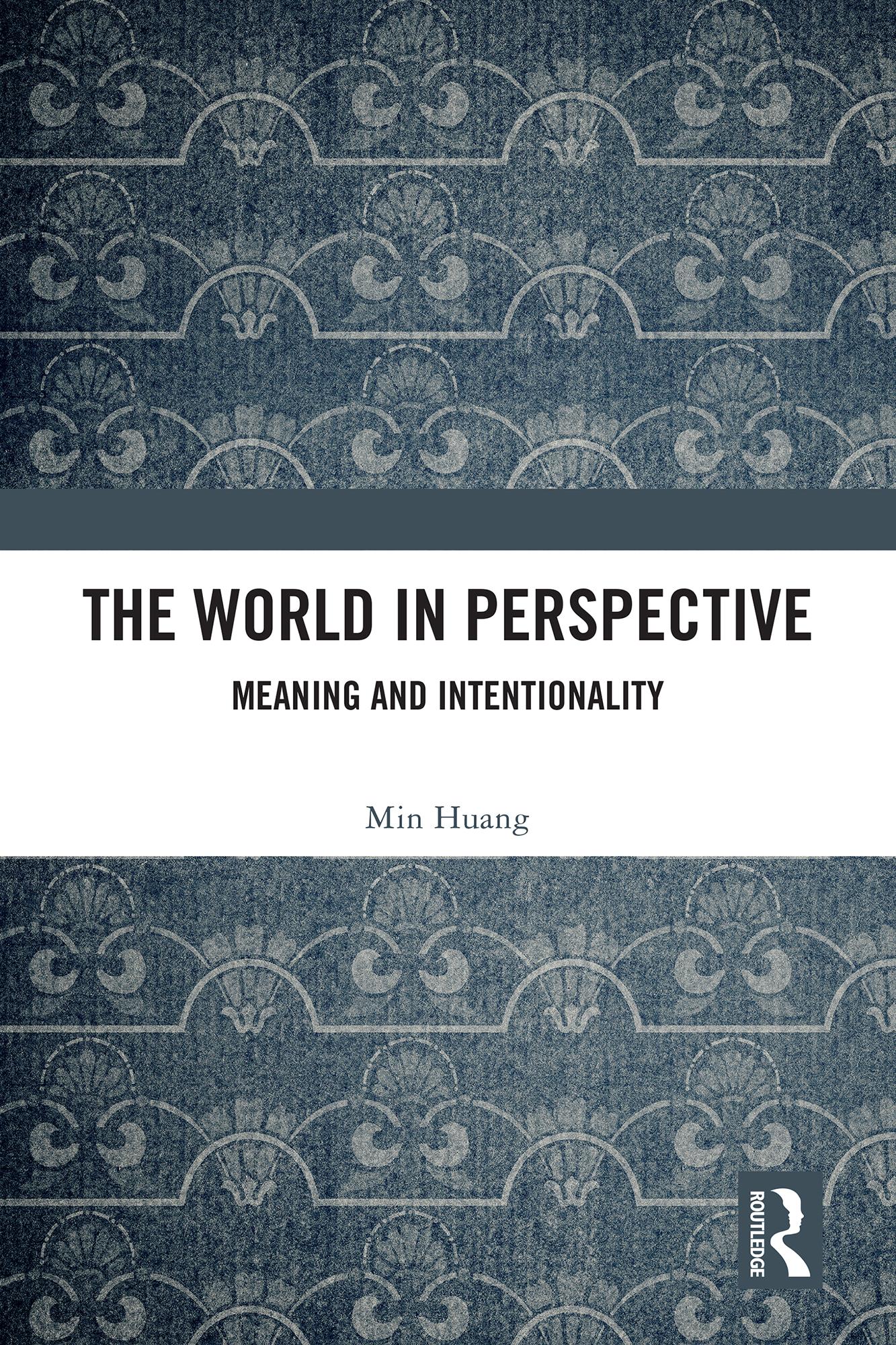
This book aims to reclaim the significance of meaning within the philosophical thinking that has evolved from Descartes and Locke through Kant, Husserl, and Frege, focusing on intentionality—the mind's directedness toward the reality.
The author opens with an epistemological account of analyticity and illustrates the central role of intentionality within it. A transcendentalist view on intentionality is then adopted, in contrast with the prevalent naturalist stance. Addressing key themes in the philosophy of language—truth, representation, propositions, predication, reference, and sense— the book presents a framework for a meaning–intentionality theory, which integrates key insights from Frege, Husserl, Wittgenstein, Dummett, and Davidson.
The book will appeal to scholars and graduate students of epistemology, philosophy of language, philosophy of mind, theory of meaning, and theory of intentionality.
Betala smidigt med kort, Klarna, Apple Pay eller Google Pay. Är du inte nöjd har du alltid 14 dagars ångerrätt. Läs mer i våra villkor. Har du några frågor, mejla oss på hello@memmo.org.
Memmo gör det enklare att plugga – var du än är i världen. Hos oss samlar du kursböcker och smarta studieverktyg på ett och samma ställe: sammanfattningar, quiz, poddar och flashcards. Och så Ted, din studiekompis som svarar på allt du undrar. Över 50 000 studenter pluggar redan här – byggt för att du ska lära dig snabbare och stressa mindre.