
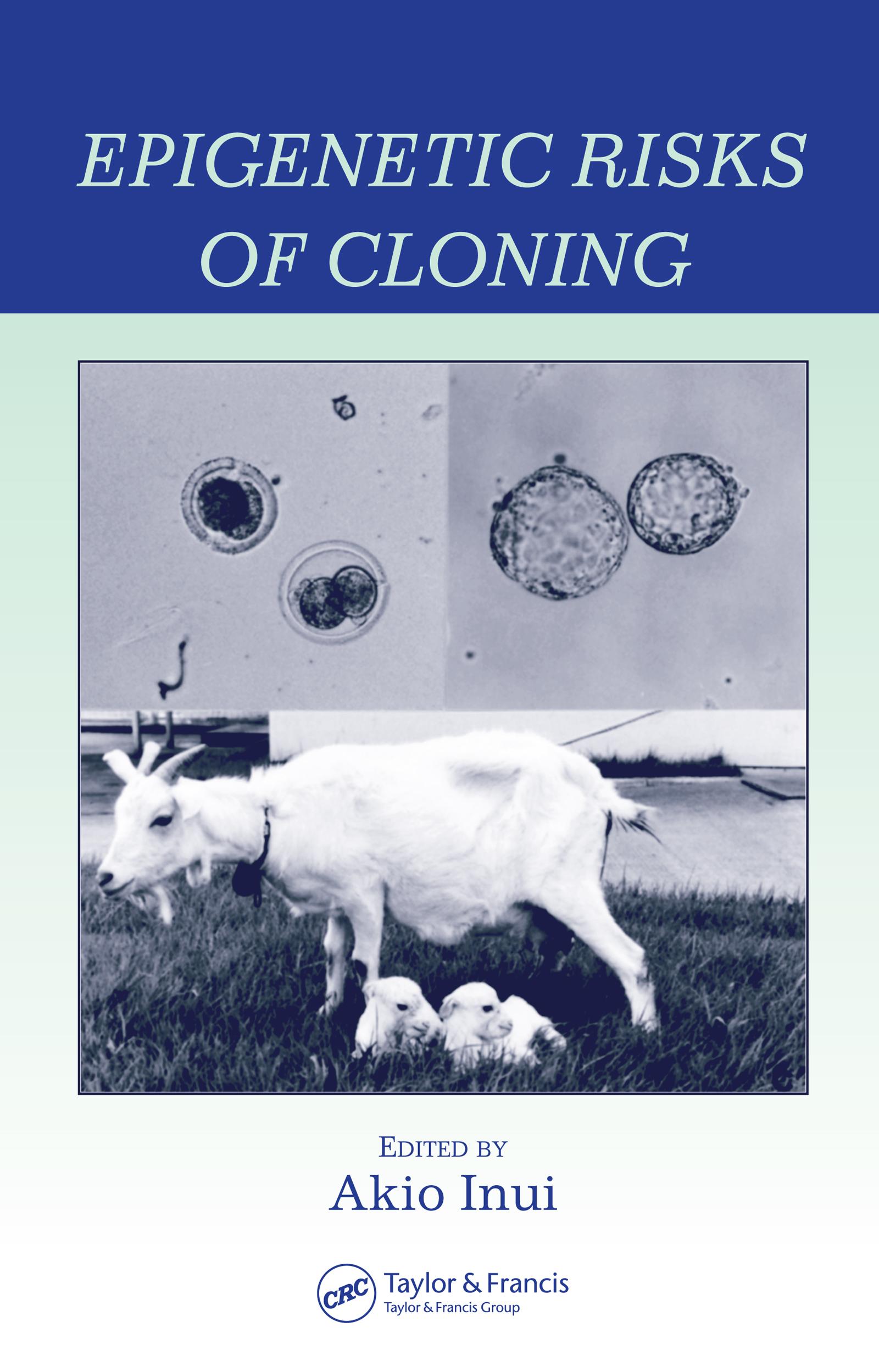
Cloning has the potential to be an extremely valuable tool across many fields. In agriculture, the reproductive cloning of farm animals could prove to be advantageous. In clinical medicine, the employment of therapeutic cloning for cell, tissue, and organ replacement appears to be imminent. In Epigenetic Risks of Cloning, 32 leading researchers detail the cloning methods being employed with various animal models, providing both a review of current findings and a discussion of potential concerns. Less than four percent of reconstructed embryos typically develop to adulthood, the cumulative result of inefficiencies occurring at every stage of development. This book considers the very real consequences of those inefficiencies: high rates of fetal, perinatal, and neonatal loss, as well as the production of abnormal offspring. At present, there is a legitimate concern that the propensity for epigenetic errors could be paralleled in human embryos.
Betala smidigt med kort, Klarna, Apple Pay eller Google Pay. Är du inte nöjd har du alltid 14 dagars ångerrätt. Läs mer i våra villkor. Har du några frågor, mejla oss på hello@memmo.org.
Memmo gör det enklare att plugga – var du än är i världen. Hos oss samlar du kursböcker och smarta studieverktyg på ett och samma ställe: sammanfattningar, quiz, poddar och flashcards. Och så Ted, din studiekompis som svarar på allt du undrar. Över 50 000 studenter pluggar redan här – byggt för att du ska lära dig snabbare och stressa mindre.
Du kanske också gillar
Köp boken0