
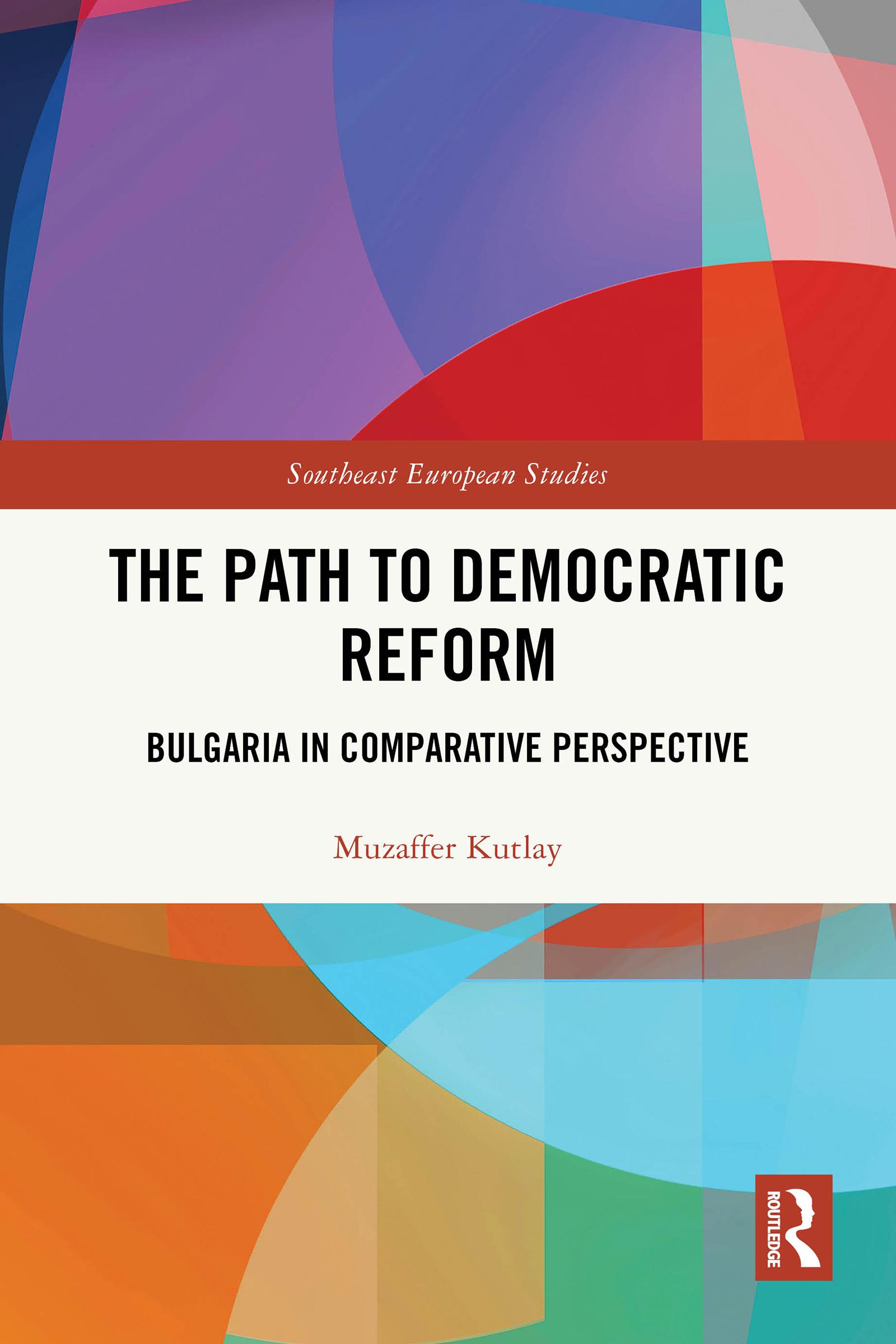
This book offers a comparative study of minority-majority relations in post-conflict societies. Drawing on three contentious cases – Bulgaria, Croatia, and Montenegro –it explores how pluralist governance structures are established in the area of minority rights in new EU member and candidate states and how reform resilience is ensured. The author shows the importance of cooperation and moderation between political elites in democratising countries, developing a comparative analysis of three understudied cases in the Balkans region and offering a conceptual framework based on extensive field research data and archive materials. Of great interest to both scholars and practitioners alike, this book identifies transferable policy lessons of interest to a global audience and specifies under which conditions substantial reforms should be carried out. It will appeal to a broad audience of students interested in international politics, European studies, state-mandated displacement, and ethnic studies.
Betala smidigt med kort, Klarna, Apple Pay eller Google Pay. Är du inte nöjd har du alltid 14 dagars ångerrätt. Läs mer i våra villkor. Har du några frågor, mejla oss på hello@memmo.org.
Memmo gör det enklare att plugga – var du än är i världen. Hos oss samlar du kursböcker och smarta studieverktyg på ett och samma ställe: sammanfattningar, quiz, poddar och flashcards. Och så Ted, din studiekompis som svarar på allt du undrar. Över 50 000 studenter pluggar redan här – byggt för att du ska lära dig snabbare och stressa mindre.