
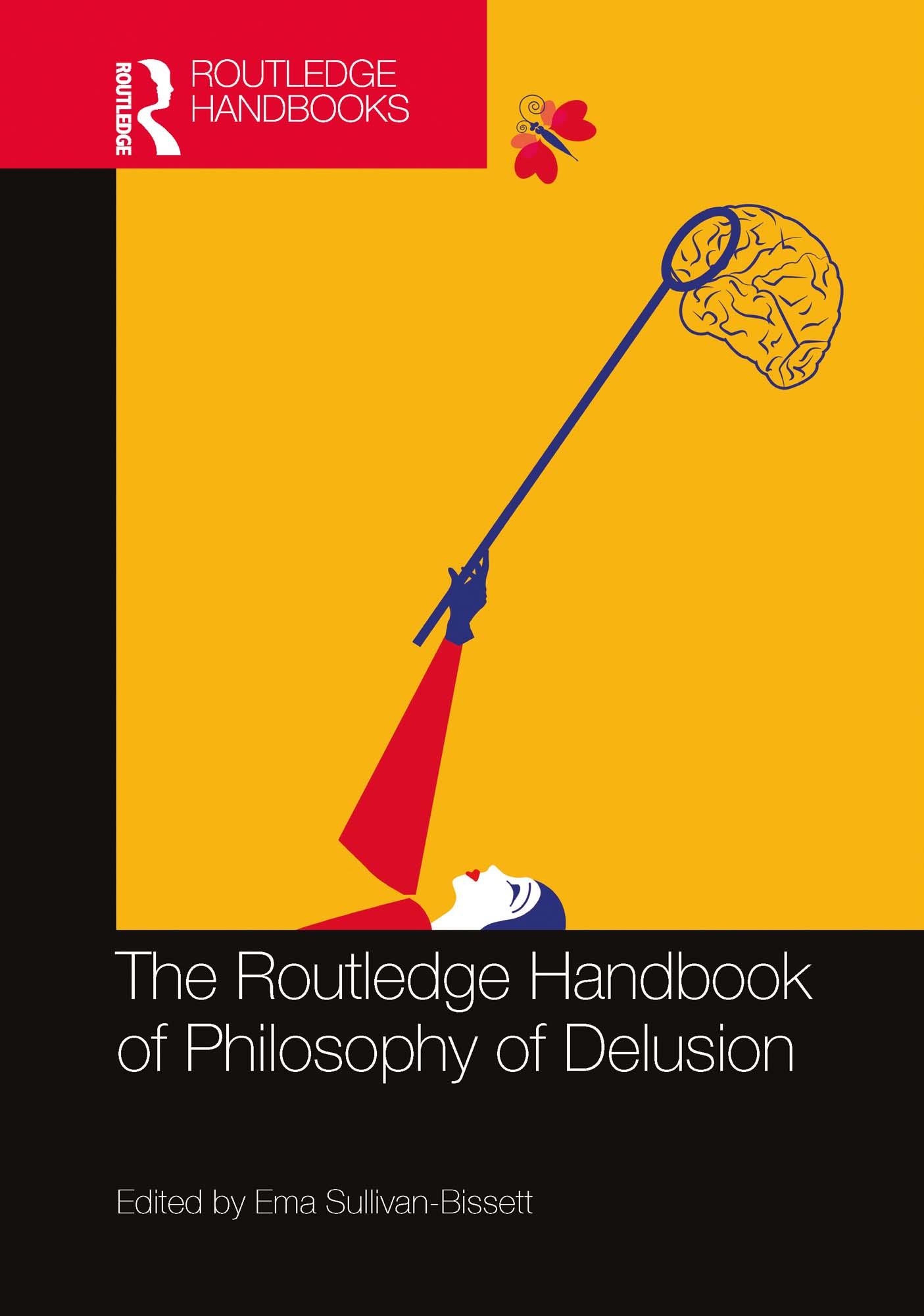
Delusions play an important and fascinating role in philosophy and are a particularly fertile area of study in recent years, spanning philosophy of mind and psychology, epistemology, ethics, psychology, psychiatry, and cognitive science. The Routledge Handbook of Philosophy of Delusion explores the conceptual and philosophical issues in the study of delusion and is the first major reference source of its kind.
Comprising 38 chapters by an international team of contributors, the Handbook is divided into six clear parts:
- The Nature of Delusion
- Delusion in Disorders
- Epistemology of Delusion
- Delusion’s Place in the Mind
- Delusion Formation
- Responsibility, Culture, and Society.
Within these sections, key topics are discussed including delusions and wellbeing, delusions as they occur in wider mental disorder, the epistemic profile of delusions (evidence, justification, rationality), how delusions are formed, delusions and folk psychology (how they relate to belief, self-deception, imagination, and so on), and delusions in the wider social and cultural context.
An outstanding resource for both students and researchers, The Routledge Handbook of Philosophy of Delusion is essential reading for those working on delusion in philosophy departments, and also suitable for those in related disciplines such as psychology, psychiatry, and cognitive science.
Betala smidigt med kort, Klarna, Apple Pay eller Google Pay. Är du inte nöjd har du alltid 14 dagars ångerrätt. Läs mer i våra villkor. Har du några frågor, mejla oss på hello@memmo.org.
Memmo gör det enklare att plugga – var du än är i världen. Hos oss samlar du kursböcker och smarta studieverktyg på ett och samma ställe: sammanfattningar, quiz, poddar och flashcards. Och så Ted, din studiekompis som svarar på allt du undrar. Över 50 000 studenter pluggar redan här – byggt för att du ska lära dig snabbare och stressa mindre.