
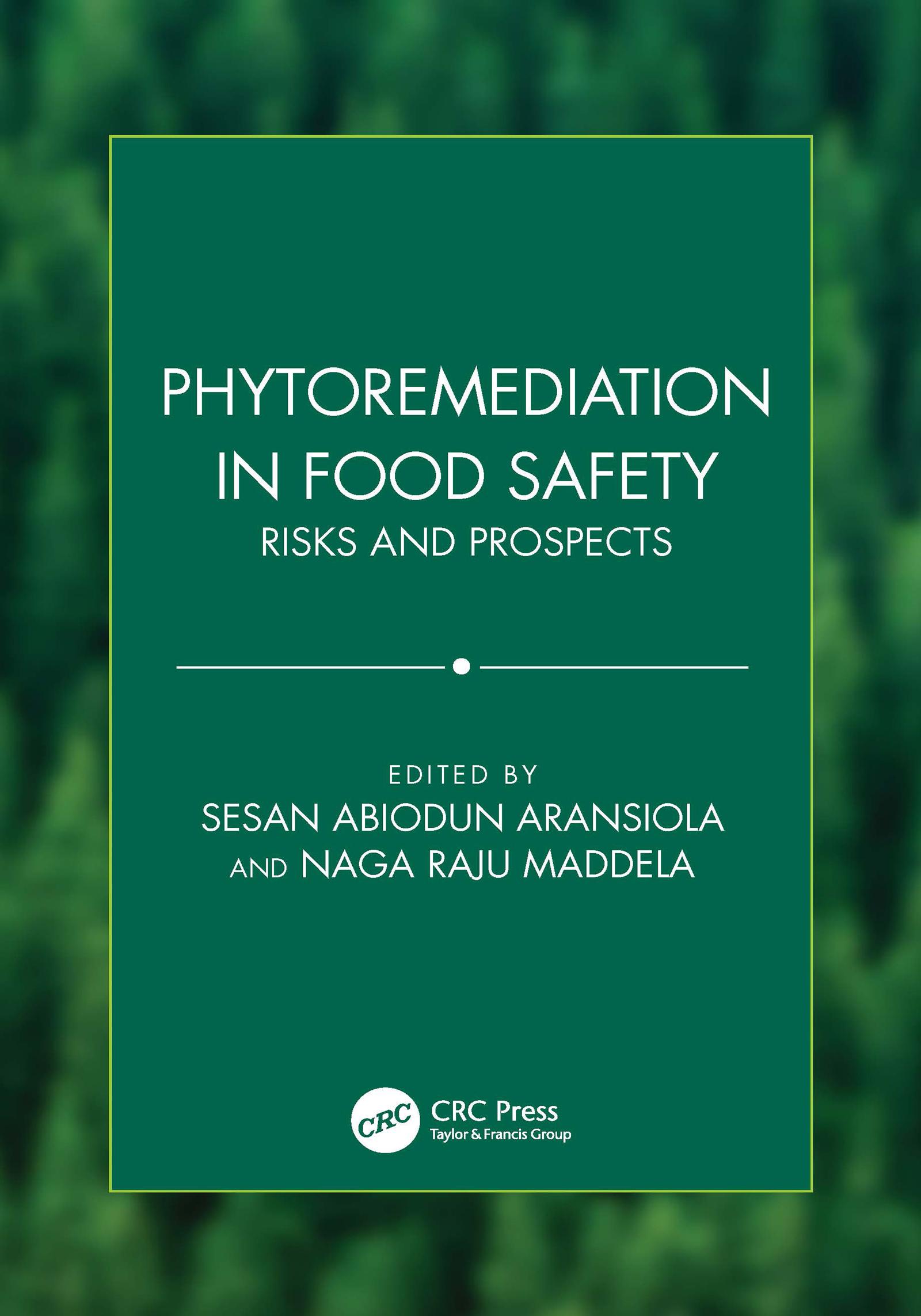
Phytoremediation is the process that uses plants to remove pollutants from soils. These pollutants are stored in the edible parts of plants and, if they are consumed above a certain level, they become a health risk for humans and animals. This book is a critical review of phytoremediation, its direct or indirect effects on food products, and the risks posed by this cost-effective technology in food safety. It shows how different plants are suited for phytoremediation, explains the role of toxicants in the environment, and analyses their effects and risks in the food chain at a global level. It also reviews the extraction methods of toxicants from plants after they are exposed to phytoremediation.
Features:
- Summarizes the phytoremediation technology for effective remediation
- Describes different types of pollutants in soils that render food products useless
- Identifies the role of phytoremediation in the environment and its advantages and disadvantages
- Explains the role of phytoexclusion and phytostabilization in foods and food safety
- Includes many case studies to describe the extraction protocols in postharvest for food safety
This book is intended for practitioners in public and private companies involved in soil remediation and food production, as well as graduate students and academics, in both developed and developing countries, who are involved in soil and environmental sciences, the food industry, agriculture, and biotechnology.
Betala smidigt med kort, Klarna, Apple Pay eller Google Pay. Är du inte nöjd har du alltid 14 dagars ångerrätt. Läs mer i våra villkor. Har du några frågor, mejla oss på hello@memmo.org.
Memmo gör det enklare att plugga – var du än är i världen. Hos oss samlar du kursböcker och smarta studieverktyg på ett och samma ställe: sammanfattningar, quiz, poddar och flashcards. Och så Ted, din studiekompis som svarar på allt du undrar. Över 50 000 studenter pluggar redan här – byggt för att du ska lära dig snabbare och stressa mindre.