
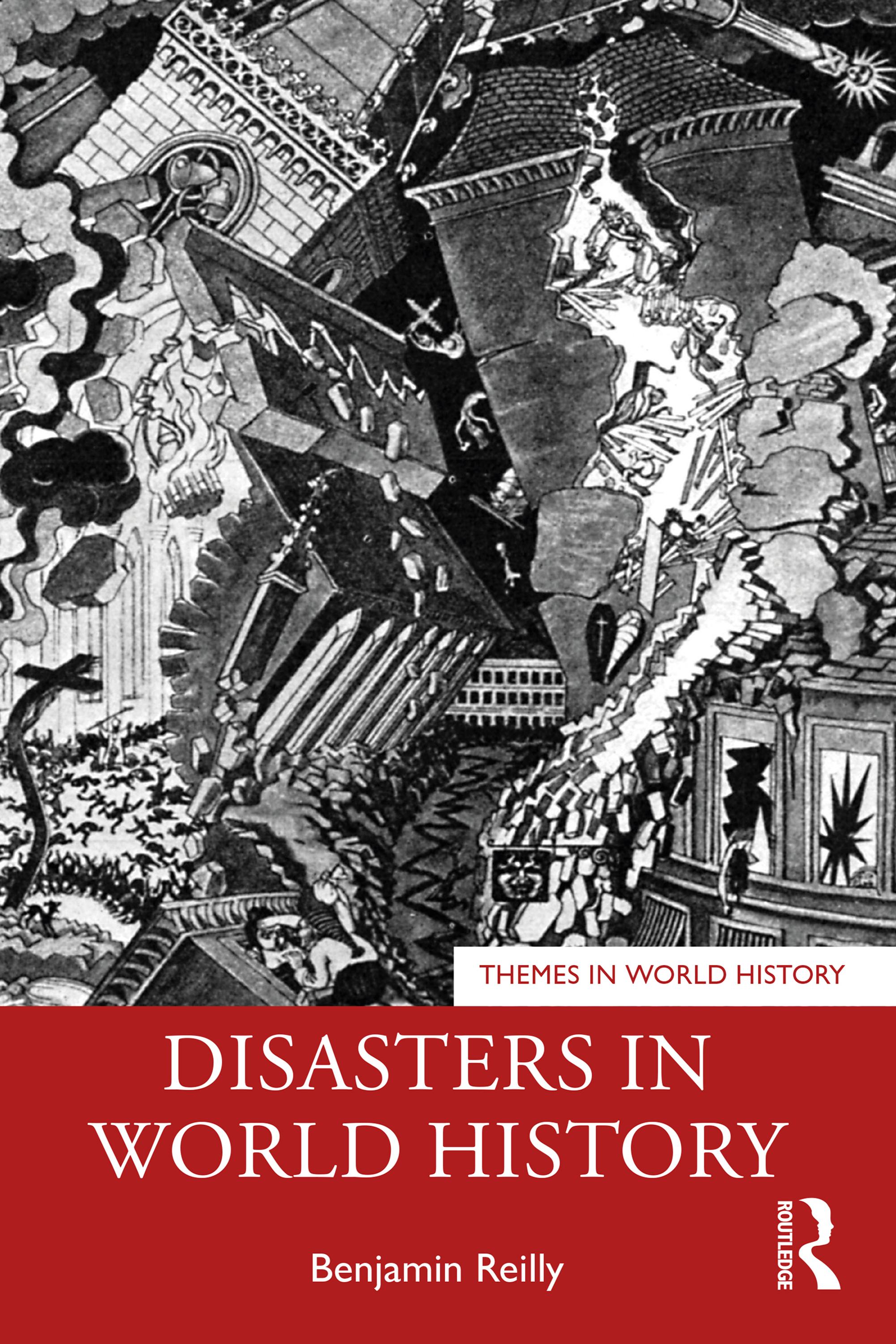
Disasters in World History surveys the development of disaster studies as a discipline as well as presenting historical case studies and theories used by historians to understand disasters. Disasters, here defined as the complex interaction between natural hazards and specific human vulnerabilities, have frequently left a mark on human history. Cataclysms have toppled dynasties, fueled massacres, and shaped the culture of societies frequently affected by natural hazards. This volume fosters understanding of such events by considering both social science theory and the natural science concepts relevant to disaster studies. In addition, the text makes heavy use of an emerging psychological theory relevant to disaster studies: the behavioral immune system, which helps to explain why xenophobic behavior and even violence often erupt in the aftermath of disasters. Chapters consider specific examples of disasters: earthquakes, tsunamis, volcanic eruptions, climate change (including modern anthropogenic climate change or global warming), and tropical cyclones.
This book is an accessible resource, ideal for undergraduates and instructors in world history, environmental history, and disaster studies courses.
Betala smidigt med kort, Klarna, Apple Pay eller Google Pay. Är du inte nöjd har du alltid 14 dagars ångerrätt. Läs mer i våra villkor. Har du några frågor, mejla oss på hello@memmo.org.
Memmo gör det enklare att plugga – var du än är i världen. Hos oss samlar du kursböcker och smarta studieverktyg på ett och samma ställe: sammanfattningar, quiz, poddar och flashcards. Och så Ted, din studiekompis som svarar på allt du undrar. Över 50 000 studenter pluggar redan här – byggt för att du ska lära dig snabbare och stressa mindre.