
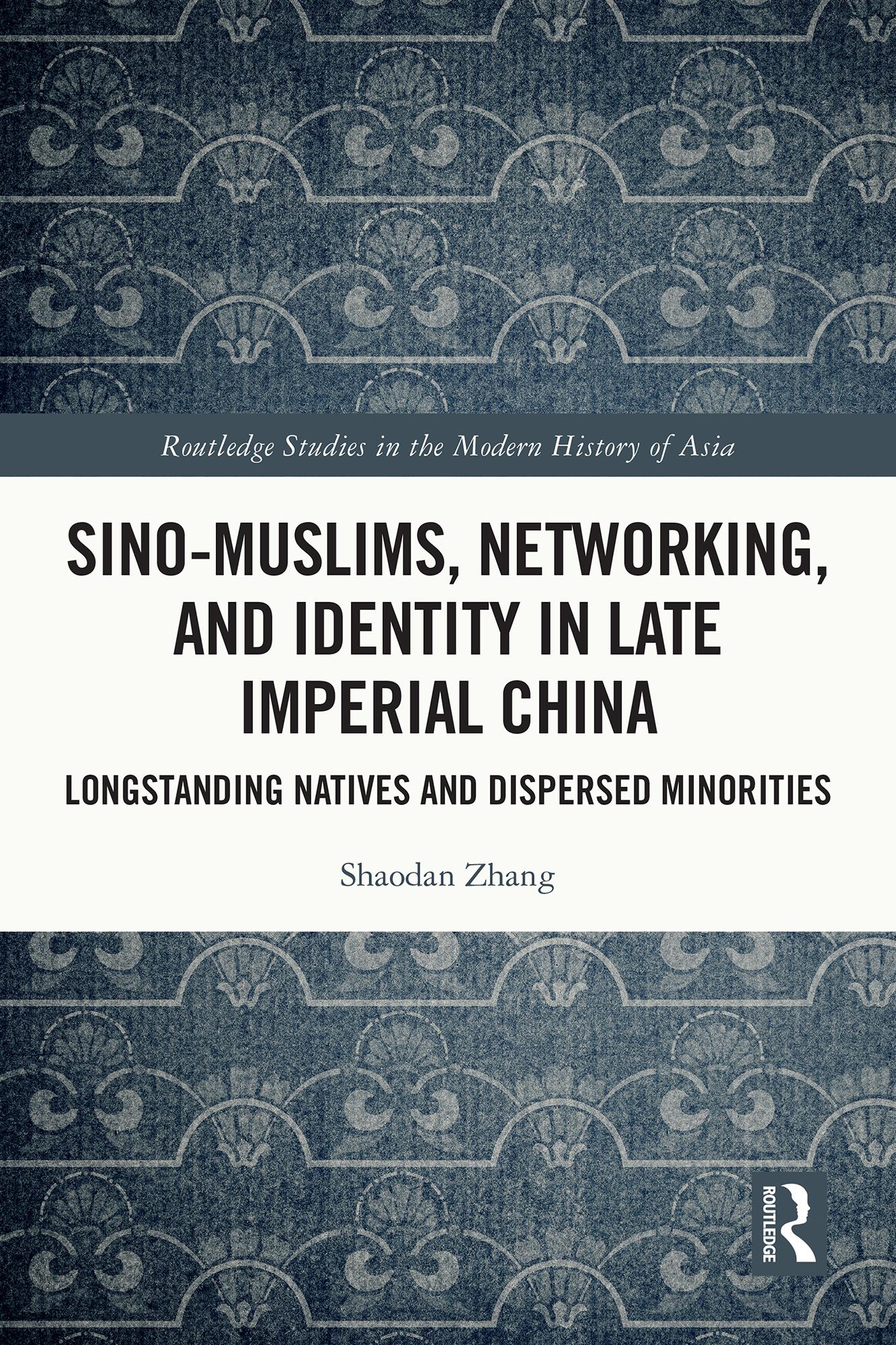
This book explores the everyday life of Muslims in late imperial China proper (“Sino-Muslims”), revealing how they integrated themselves into Chinese society, while also maintaining distinct Islamic features.
Deeming “identity” as practical, interactive, and processual, it focuses on Sino-Muslims’ daily networking practices which embodied their numerous processes of identification with people around them. Through an evaluation of such practices, it displays how, since the early seventeenth century, Sino-Muslims vigorously formed and participated in popular religious and secular networks at local, translocal, and China-wide scales, including mosques, merchant associations, gentry groups, Islamic educational and publishing networks. It demonstrates how such networks facilitated Sino-Muslims to become more aligned with the tempo of change in Chinese society and imperial governance, and created for them more ingenious venues and means to identify with Islam. Ultimately it reveals how, by the first half of the nineteenth century, a sense of collectivity—with common knowledge, memory, and discourse—was generated among dispersed Sino-Muslims.
Utilizing Sino-Muslims’ own records such as steles, genealogies, and Chinese Islamic texts, this book will be of interest to scholars and students of comparative Muslim studies, Qing and early modern China, religious and ethnic identity, and professionals of Sino-Arab relations.
Betala smidigt med kort, Klarna, Apple Pay eller Google Pay. Är du inte nöjd har du alltid 14 dagars ångerrätt. Läs mer i våra villkor. Har du några frågor, mejla oss på hello@memmo.org.
Memmo gör det enklare att plugga – var du än är i världen. Hos oss samlar du kursböcker och smarta studieverktyg på ett och samma ställe: sammanfattningar, quiz, poddar och flashcards. Och så Ted, din studiekompis som svarar på allt du undrar. Över 50 000 studenter pluggar redan här – byggt för att du ska lära dig snabbare och stressa mindre.