
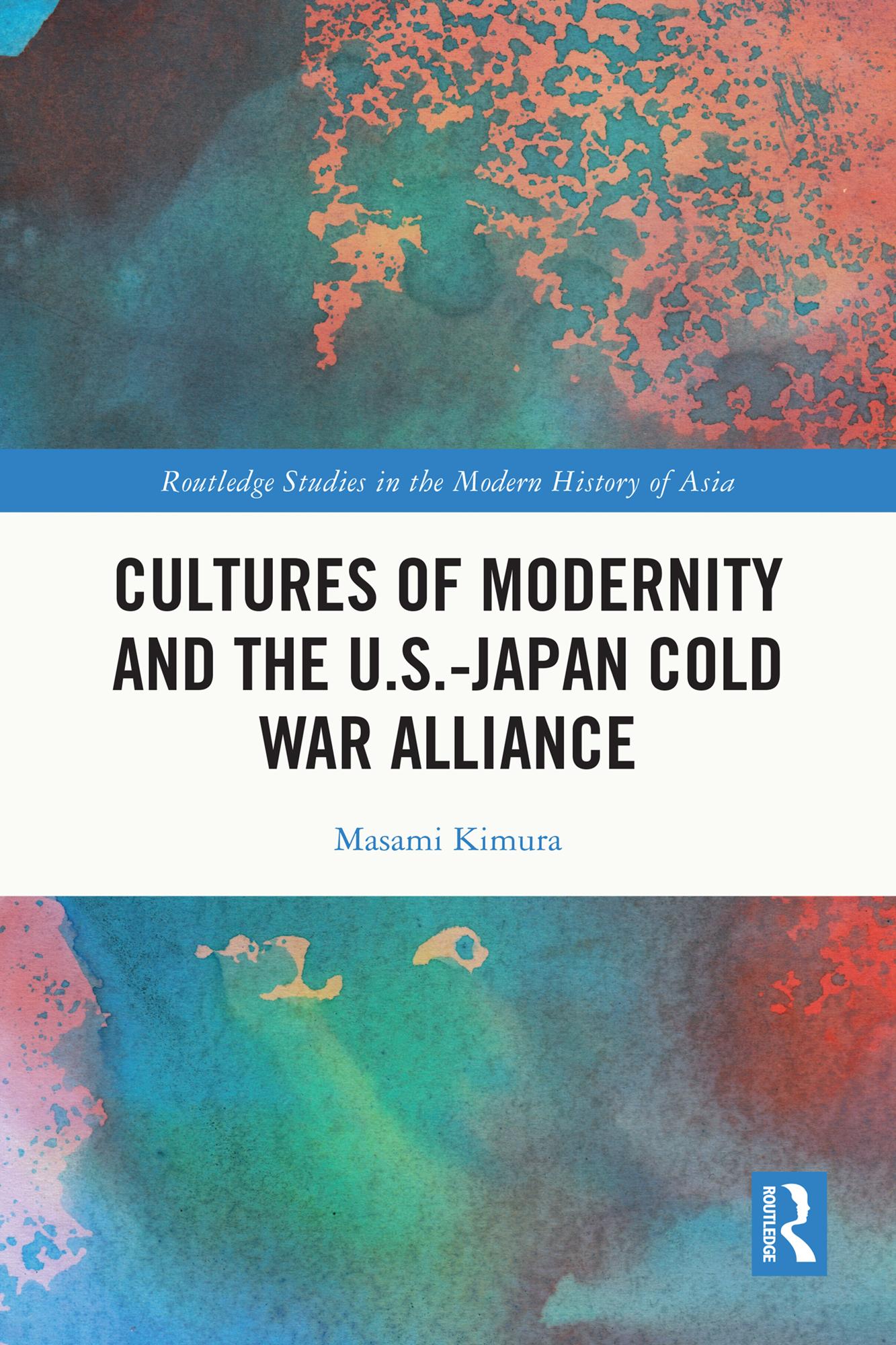
Cultures of Modernity and the U.S.-Japan Cold War Alliance reconsiders the origins of postwar U.S.-Japan relations by focusing on “modernization” ideologies that the Americans and the Japanese shared in the 1940s–early 1950s. Mobilizing a wealth of English and Japanese-language sources, the author identifies parallel groups of modernist thinkers in America and Japan – including politicians, bureaucrats, intellectuals, scholars, and journalists – and follows how different strands of thought played out within an evolving political environment, forming a “middle ground.” Despite their differences, both the Americans and the Japanese believed in the progressive view of history, considered Japan to be still underdeveloped, and therefore agreed on the advisability of democratizing Japan – which included constitutional reform. Whether proponents or opponents of the U.S.-Japan Cold War alliance system, they also shared the vision of Wilsonian internationalism and devised similar designs for a postwar Asian order where Japan would rejoin. Thus, by showing how the confluence of modernist cultures helped forge a postwar relationship between the two, this study contributes to the field of postwar U.S.-Japan relations by supplementing and reorienting the scope of scholarship, one that has been predominantly America-centered and framed along the line of diplomatic narratives informed by Cold War politics.
Betala smidigt med kort, Klarna, Apple Pay eller Google Pay. Är du inte nöjd har du alltid 14 dagars ångerrätt. Läs mer i våra villkor. Har du några frågor, mejla oss på hello@memmo.org.
Memmo gör det enklare att plugga – var du än är i världen. Hos oss samlar du kursböcker och smarta studieverktyg på ett och samma ställe: sammanfattningar, quiz, poddar och flashcards. Och så Ted, din studiekompis som svarar på allt du undrar. Över 50 000 studenter pluggar redan här – byggt för att du ska lära dig snabbare och stressa mindre.