
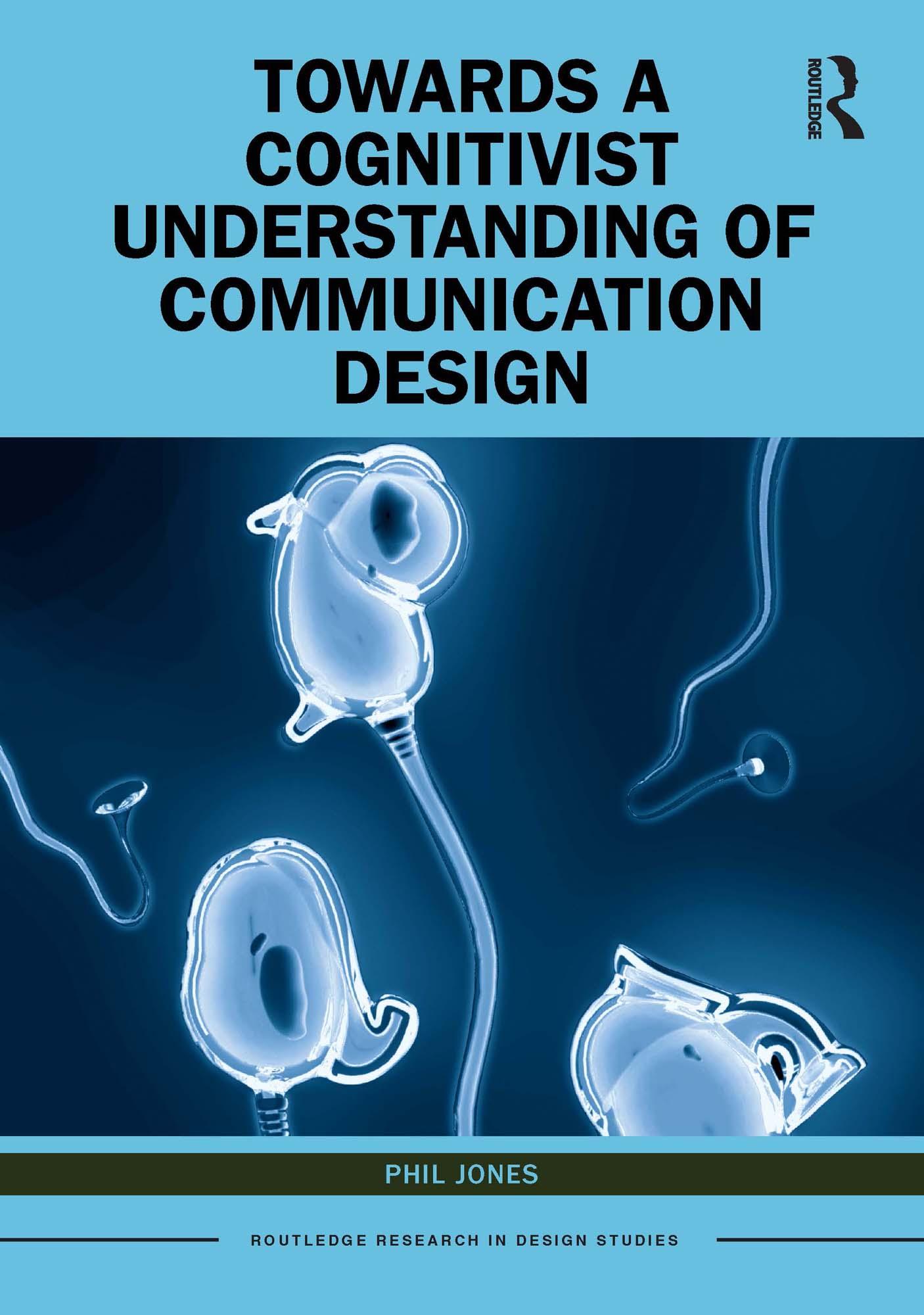
This book demonstrates the relevance and importance of cognitive linguistics when applied to the analysis and practice of graphic design/communication design.
Phil Jones brings together a diverse range of theory and organizes it in accordance with different stages in the design process. Using examples from contemporary communication design, as well as more familiar selections from the graphic design canon as case studies, this book provides an account of how meanings are made by users, and suggests new strategies for design practice. It seeks convergences between the ways that graphic/communication designers think and talk about their practice and the theories emerging from cognitive science.
This book will be of interest to scholars working in design, graphic design, the philosophy of art and aesthetics, communication studies, and media and film studies.
Betala smidigt med kort, Klarna, Apple Pay eller Google Pay. Är du inte nöjd har du alltid 14 dagars ångerrätt. Läs mer i våra villkor. Har du några frågor, mejla oss på hello@memmo.org.
Memmo gör det enklare att plugga – var du än är i världen. Hos oss samlar du kursböcker och smarta studieverktyg på ett och samma ställe: sammanfattningar, quiz, poddar och flashcards. Och så Ted, din studiekompis som svarar på allt du undrar. Över 75 000 studenter pluggar redan här – byggt för att du ska lära dig snabbare och stressa mindre.