
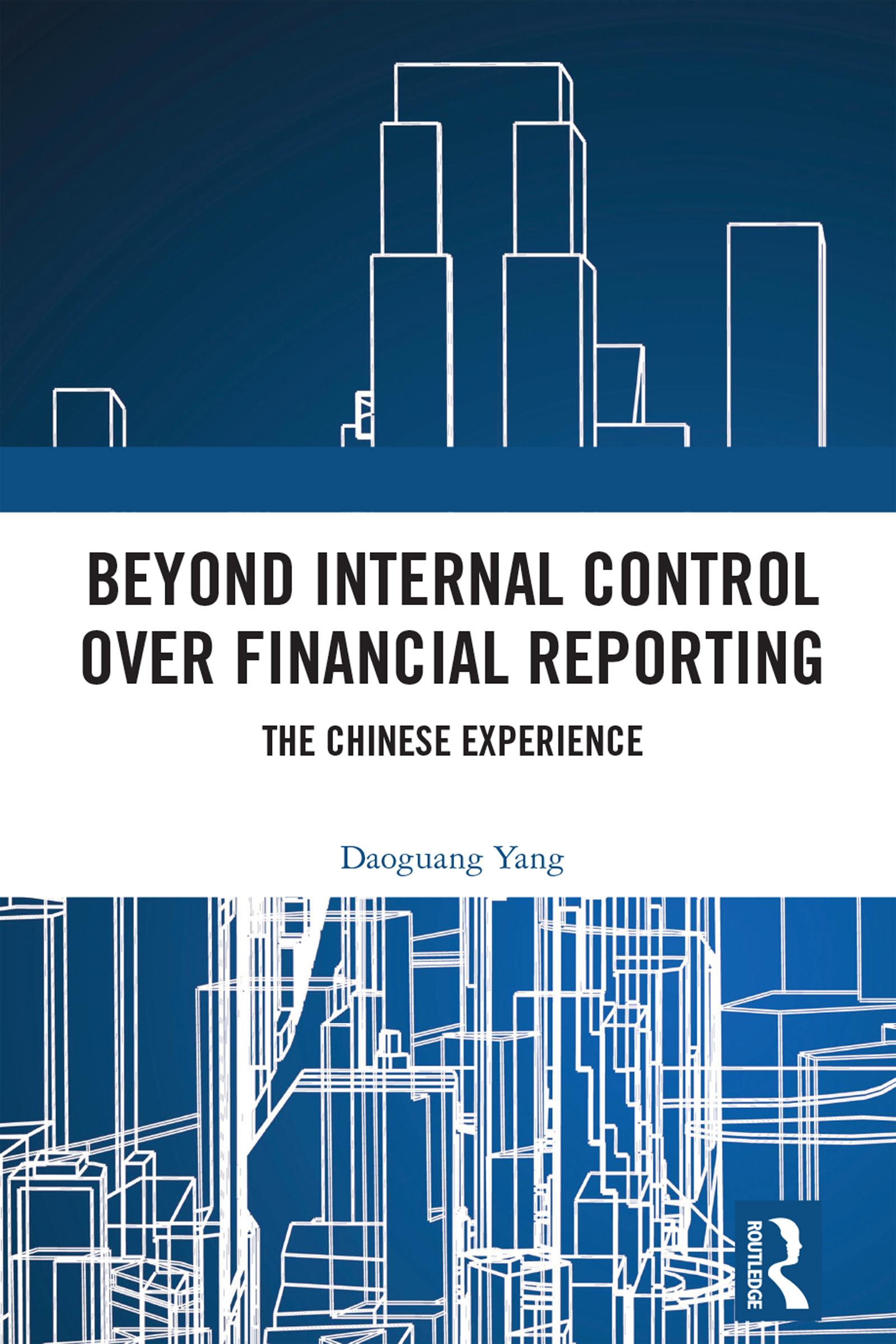
By examining two different modes of internal control and the fundamentals of risk management, this book analyses the role of internal control in financing, investment, profit distribution, and corporate strategies through China's experience. In doing so, it confirms the effectiveness and superiority of internal control over operation and management.
The book compares the various internal control methods used in China and the USA, namely, operation and management-oriented versus financial reporting-oriented approaches. It also discusses the differences in corporate risk attitudes and behaviours under the two approaches. The author then proposes the hyper-correction hypothesis and the trimming hypothesis. Empirical findings regarding corporate cash policy, mergers and acquisitions, tax avoidance, and diversification strategy reveal that internal control in China does not result in undue risk aversion but instead manages enterprise risk within a reasonable capacity. These results support the trimming hypothesis and demonstrate that internal control is a useful risk management tool.
The title will appeal to students, academics, and accounting professionals interested in internal control (risk management), accounting, auditing and corporate finance, regulation and governance.
Betala smidigt med kort, Klarna, Apple Pay eller Google Pay. Är du inte nöjd har du alltid 14 dagars ångerrätt. Läs mer i våra villkor. Har du några frågor, mejla oss på hello@memmo.org.
Memmo gör det enklare att plugga – var du än är i världen. Hos oss samlar du kursböcker och smarta studieverktyg på ett och samma ställe: sammanfattningar, quiz, poddar och flashcards. Och så Ted, din studiekompis som svarar på allt du undrar. Över 50 000 studenter pluggar redan här – byggt för att du ska lära dig snabbare och stressa mindre.