
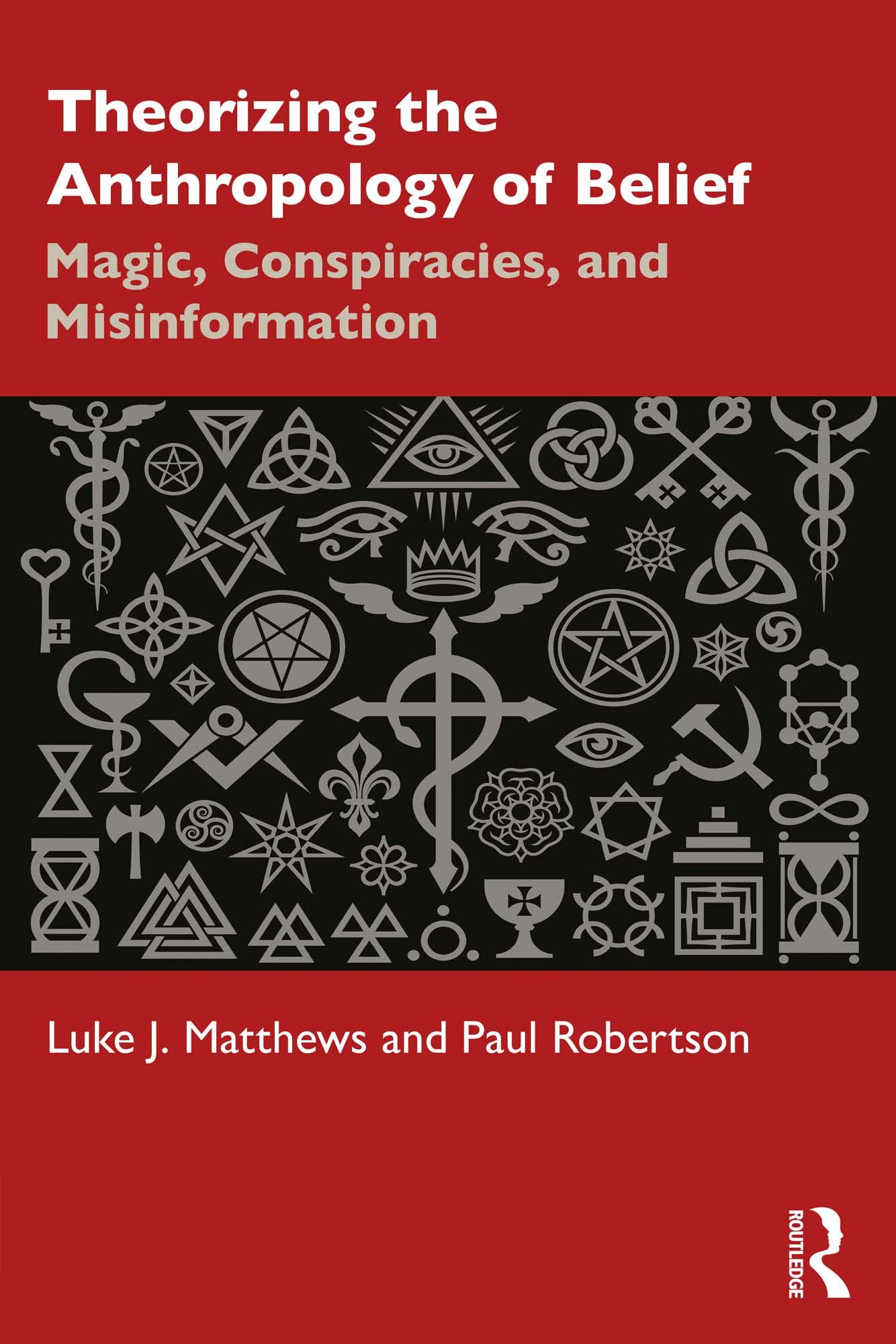
This book explores both scientific and humanistic theoretical traditions in anthropology through the lens of ontology.
The first part of the book examines different methods for generating valid anthropological knowledge and proposes a shift in current consensus. Drawing on Western scholars of antiquity and the medieval period and moving away from 20th-century theorists, it argues that we must first make ontological assumptions about the kinds of things that can exist (or not) before we can then develop epistemologies that study those kinds of things. The book goes on to apply the ontology-first theory to a set of case studies in modern day conspiracy theories, misinformation, and magical thinking. It asserts that we need to move away from unneeded metaphysical assumptions of conspiracy theories being misinformation and argues that reconstructing particular historical events can be a fruitful zone for application of quantitative methods to humanistic questions.
Theorizing the Anthropology of Belief is an excellent supplementary suitable for upper-level undergraduate and graduate courses in anthropological theory.
Betala smidigt med kort, Klarna, Apple Pay eller Google Pay. Är du inte nöjd har du alltid 14 dagars ångerrätt. Läs mer i våra villkor. Har du några frågor, mejla oss på hello@memmo.org.
Memmo gör det enklare att plugga – var du än är i världen. Hos oss samlar du kursböcker och smarta studieverktyg på ett och samma ställe: sammanfattningar, quiz, poddar och flashcards. Och så Ted, din studiekompis som svarar på allt du undrar. Över 50 000 studenter pluggar redan här – byggt för att du ska lära dig snabbare och stressa mindre.