
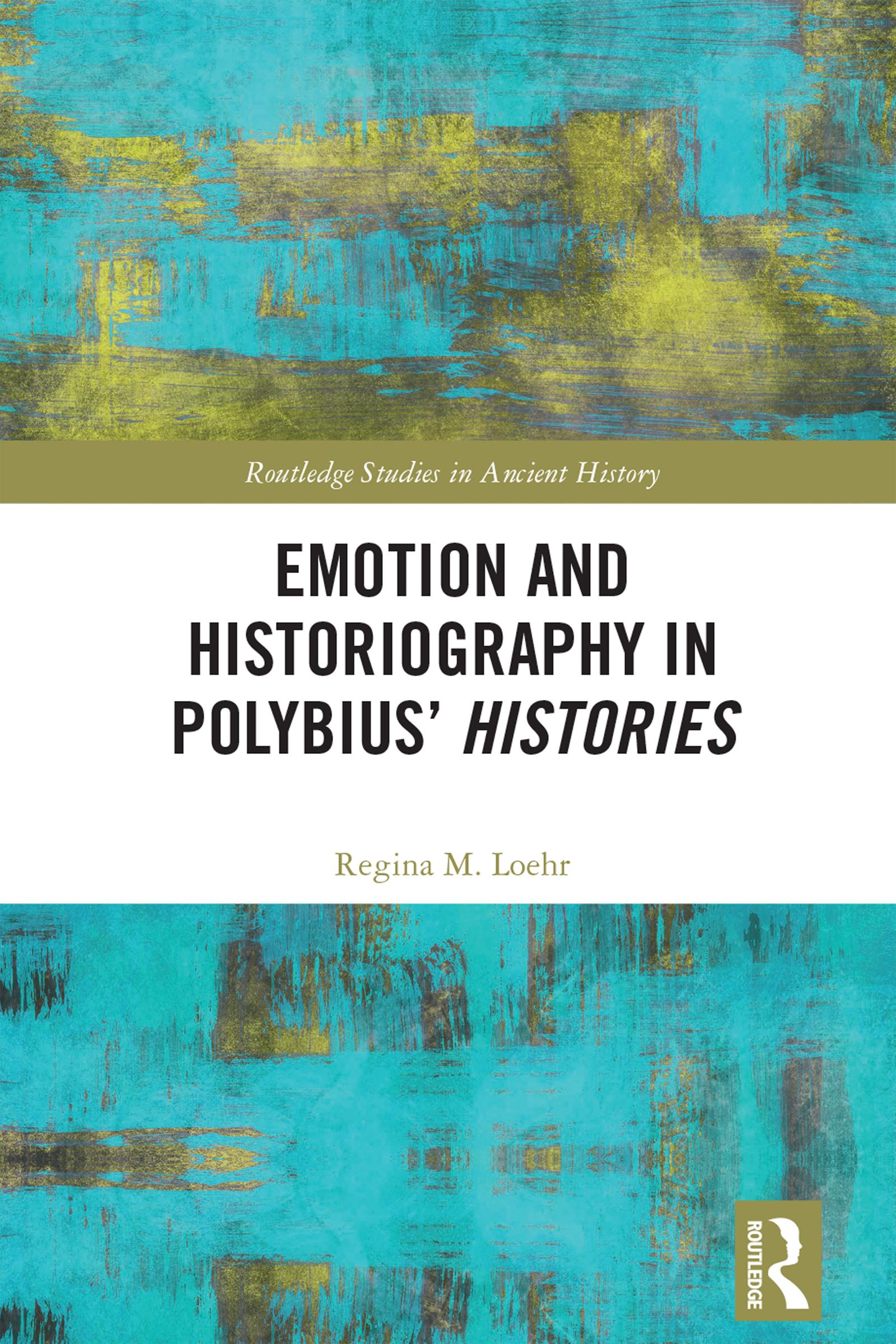
This volume explores emotion and its importance in Polybius’ conception of history, his writing of historiography, and the benefits of this understanding to readers of history.
How and why did ancient historians include emotions in their texts? This book argues that in the Histories of Polybius – the Greek historian who recorded Rome’s rise to dominion in the ancient Mediterranean – emotions play an effective role in history, used by the historian to explain the causes of actions, connect events, and make sense of human behavior. Through analysis of the emotions in the narrative and theory of Polybius’ Histories using critical terminology and frameworks from modern philosophy, psychology, and political science, this work calls into question assumptions that emotions were purely irrational and detrimental in ancient history, politics, and historiography. Emotions often positively shape Polybius’ historical narrative, provide criteria for the success and morality of agents, actions, and even historians, and aid the historian in guiding readers to become intelligent leaders and citizens of a new world centered on Rome.
Emotion and Historiography in Polybius’ Histories is a fascinating read for students and scholars of ancient historiography and history, as well as those working on ancient political thought, emotions in the ancient Greek world, and emotion in history and literature more broadly.
Betala smidigt med kort, Klarna, Apple Pay eller Google Pay. Är du inte nöjd har du alltid 14 dagars ångerrätt. Läs mer i våra villkor. Har du några frågor, mejla oss på hello@memmo.org.
Memmo gör det enklare att plugga – var du än är i världen. Hos oss samlar du kursböcker och smarta studieverktyg på ett och samma ställe: sammanfattningar, quiz, poddar och flashcards. Och så Ted, din studiekompis som svarar på allt du undrar. Över 50 000 studenter pluggar redan här – byggt för att du ska lära dig snabbare och stressa mindre.