
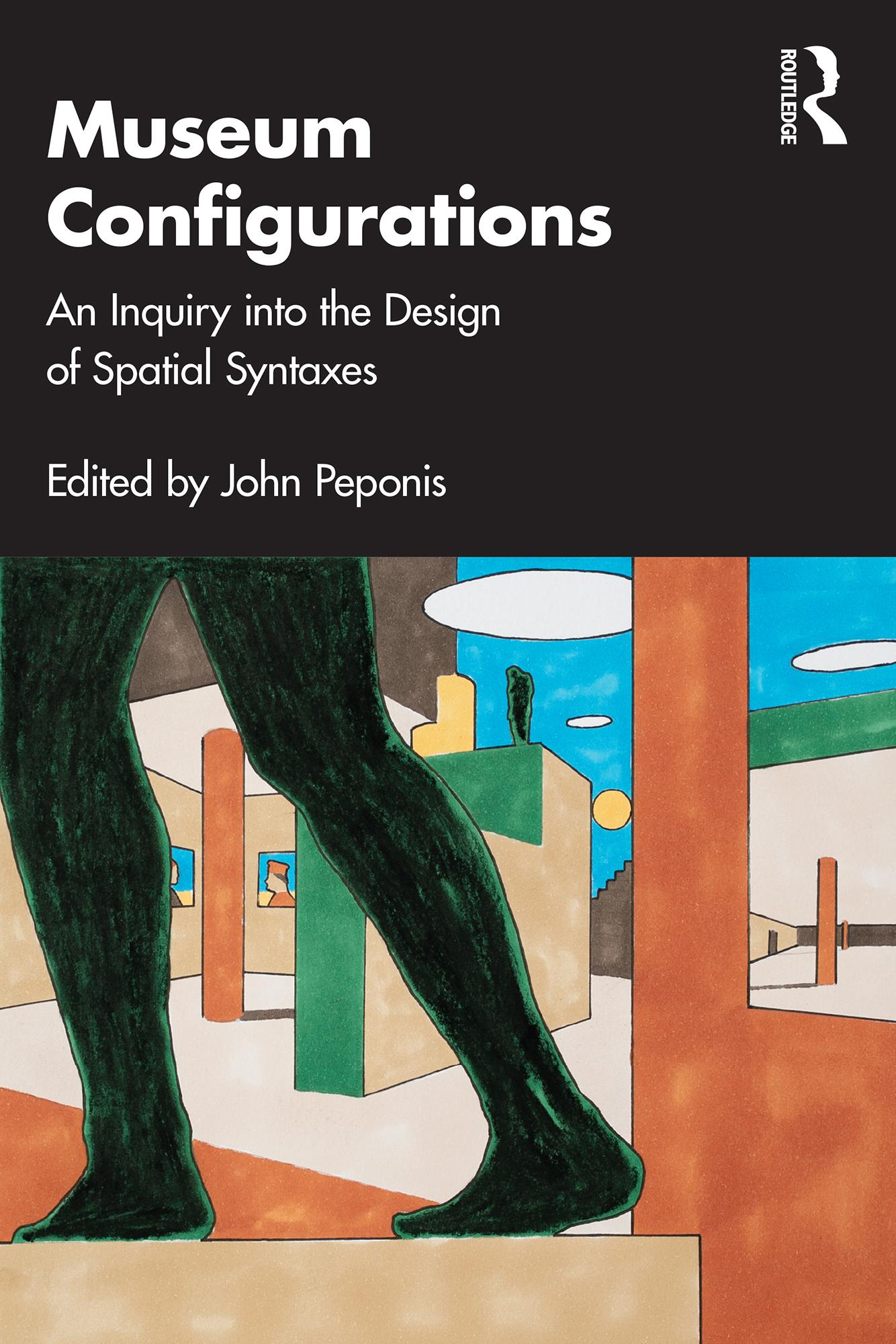
Museum Configurations demonstrates how museum space functions cognitively and communicatively and questions whether it can be designed to provide a rich embodied experience, situating displays and their public in felicitous dialogue.
Including contributions from authors working in the disciplines of architecture, psychology, museum studies, history and the visual arts, this volume addresses an interdisciplinary audience. The analysis of a wealth of examples shows how the voices of architects, curators and exhibition designers enter into dialogue and invite visitors to make their own connections between physical, cognitive and affective space. Considering how the layout of museums facilitates movement and orientation so that visitors may devote their attention to displays, the book questions what kinds of visual attention characterizes museum experiences and how the design of museum space can support them. In the context of an often dematerialized, atomized, and dissipating contemporary culture, the book proposes that museums can function as shared space that supports enjoyment and learning without being overly didactic.
Museum Configurations focuses upon the functions and aims of the design of space. This makes the book particularly interesting to academics and students working in exhibition design and museum architecture, as well as to exhibition designers, curators, and architects.
Betala smidigt med kort, Klarna, Apple Pay eller Google Pay. Är du inte nöjd har du alltid 14 dagars ångerrätt. Läs mer i våra villkor. Har du några frågor, mejla oss på hello@memmo.org.
Memmo gör det enklare att plugga – var du än är i världen. Hos oss samlar du kursböcker och smarta studieverktyg på ett och samma ställe: sammanfattningar, quiz, poddar och flashcards. Och så Ted, din studiekompis som svarar på allt du undrar. Över 75 000 studenter pluggar redan här – byggt för att du ska lära dig snabbare och stressa mindre.