
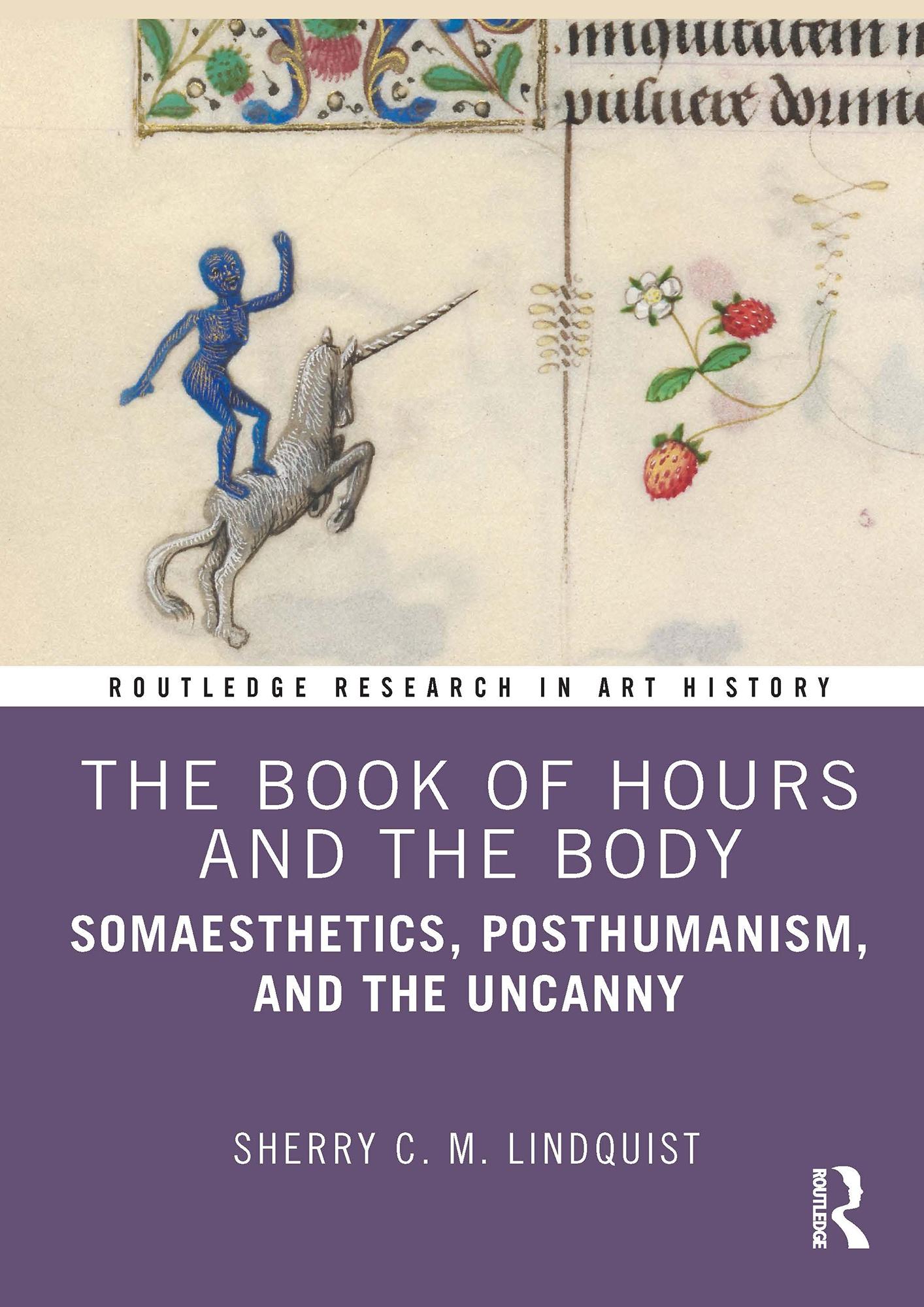
This book explores our corporeal connections to the past by considering what three theoretical approaches - somaesthetics, posthumanism, and the uncanny - may reveal about both premodern and postmodern terms of embodiment.
It takes as its point of departure a selection of fifteenth-century northern European Books of Hours - evocative objects designed at once to inscribe social status, to strengthen religious commitment, to entertain, to stimulate emotions, and to encourage discomfiting self-scrutiny. Studying their kaleidoscopically strange, moving, humorous, disturbing, and imaginative pages not only enables a window into relationships among bodies, images, and things in the past but also in our own internet era, where surprisingly popular memes drawn from such manuscripts constitute a part of our own visual culture.
In negotiating theoretical, post-theoretical, and historical concerns, this book aims to contribute to an emerging and much-needed intersectional social history of art. It will be of interest to scholars working in art history, medieval studies, Renaissance/early modern studies, gender studies, the history of the book, posthumanism, aesthetics, and the body.
Betala smidigt med kort, Klarna, Apple Pay eller Google Pay. Är du inte nöjd har du alltid 14 dagars ångerrätt. Läs mer i våra villkor. Har du några frågor, mejla oss på hello@memmo.org.
Memmo gör det enklare att plugga – var du än är i världen. Hos oss samlar du kursböcker och smarta studieverktyg på ett och samma ställe: sammanfattningar, quiz, poddar och flashcards. Och så Ted, din studiekompis som svarar på allt du undrar. Över 50 000 studenter pluggar redan här – byggt för att du ska lära dig snabbare och stressa mindre.