
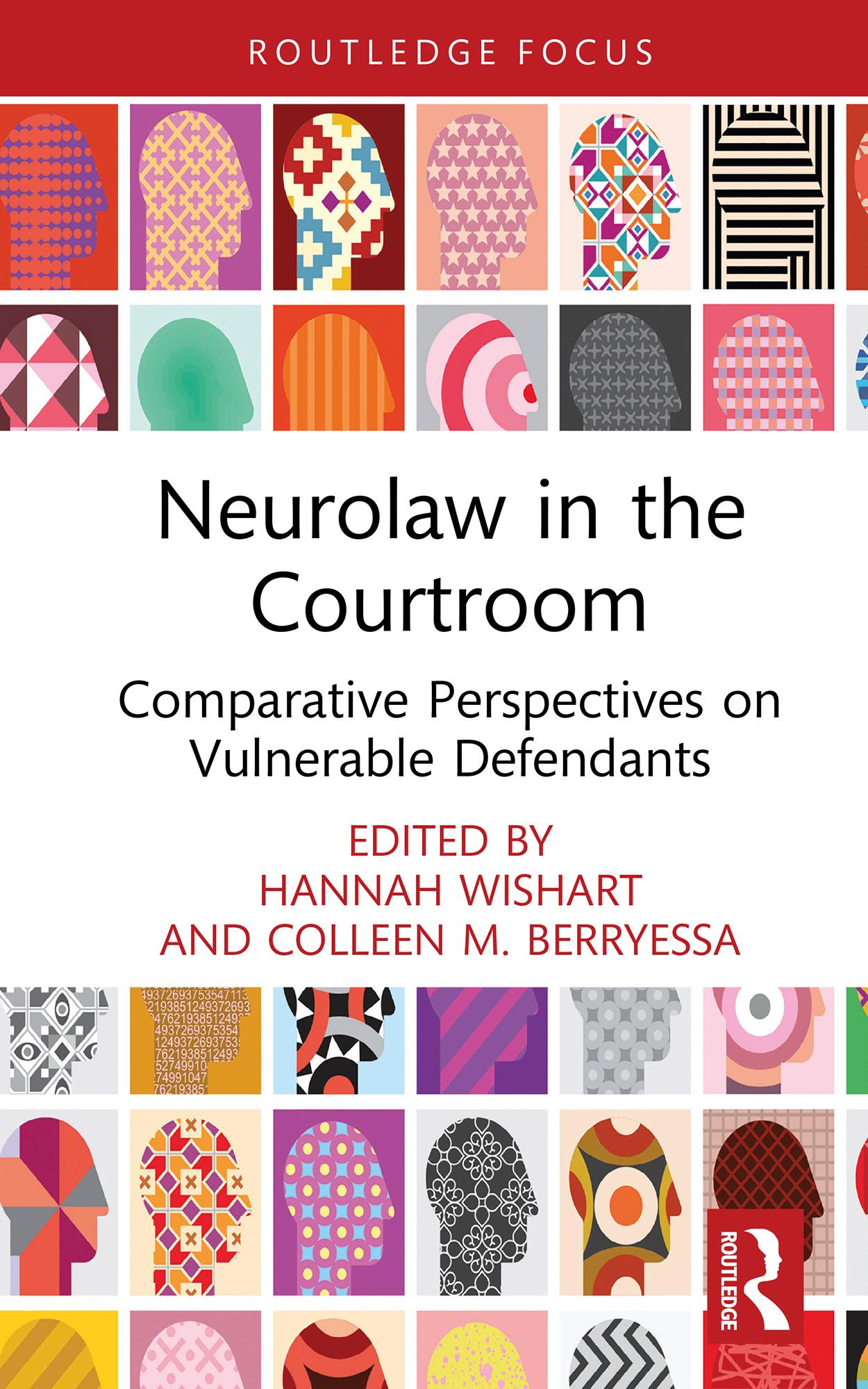
This collection presents a comparative perspective on interdisciplinary issues that fall under the emerging field of Neurolaw. The chapters embrace distinct procedural and evidential issues in the courtroom for vulnerable defendants, such as immature defendants, mentally disordered offenders and unfit-to-plead defendants, through a neuroscientific lens. This view is informed by worldwide analyses from legal academics, philosophers, and legal practitioners. The work brings together interdisciplinary and leading perspectives to discuss the use and relevancy of neuroscience at trial, and how the use of neuroscience is currently benefiting and impacting vulnerable defendants in global criminal trials. As such, the book builds upon and adds to the existing literature in this field by providing a comprehensive coverage of the intersection between these disciplines for vulnerable defendants in the courtroom. Key issues covered include: vulnerable defendants and the pre-trial process; the trial process; the use of neuroscience as expert evidence at trial; and vulnerable defendants, neuroscience and mitigation of sentence. Through original exploration presented by contributors from both academia and practice, the book will be of interest to academics, researchers and policy-makers working in the areas of Criminal Law and Procedure.
Betala smidigt med kort, Klarna, Apple Pay eller Google Pay. Är du inte nöjd har du alltid 14 dagars ångerrätt. Läs mer i våra villkor. Har du några frågor, mejla oss på hello@memmo.org.
Memmo gör det enklare att plugga – var du än är i världen. Hos oss samlar du kursböcker och smarta studieverktyg på ett och samma ställe: sammanfattningar, quiz, poddar och flashcards. Och så Ted, din studiekompis som svarar på allt du undrar. Över 50 000 studenter pluggar redan här – byggt för att du ska lära dig snabbare och stressa mindre.