
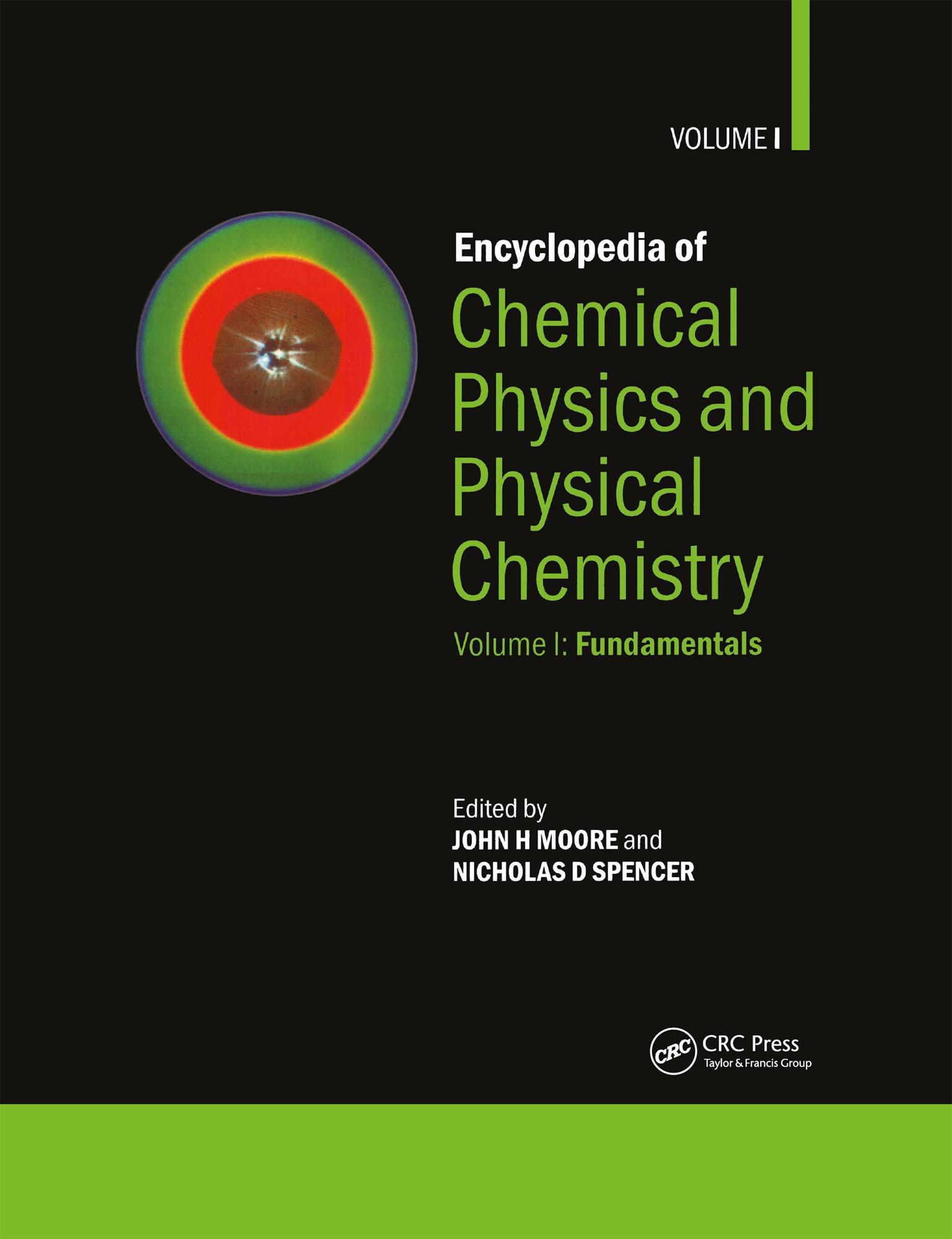
The Encyclopedia of Physical Chemistry and Chemical Physics introduces possibly unfamiliar areas, explains important experimental and computational techniques, and describes modern endeavors. The encyclopedia quickly provides the basics, defines the scope of each subdiscipline, and indicates where to go for a more complete and detailed explanation. Particular attention has been paid to symbols and abbreviations to make this a user-friendly encyclopedia. Care has been taken to ensure that the reading level is suitable for the trained chemist or physicist.
The encyclopedia is divided in three major sections:
For the practicing physicist or chemist, this encyclopedia is the place to start when confronted with a new problem or when the techniques of an unfamiliar area might be exploited. For a graduate student in chemistry or physics, the encyclopedia gives a synopsis of the basics and an overview of the range of activities in which physical principles are applied to chemical problems. It will lead any of these groups to the salient points of a new field as rapidly as possible and gives pointers as to where to read about the topic in more detail.
Betala smidigt med kort, Klarna, Apple Pay eller Google Pay. Är du inte nöjd har du alltid 14 dagars ångerrätt. Läs mer i våra villkor. Har du några frågor, mejla oss på hello@memmo.org.
Memmo gör det enklare att plugga – var du än är i världen. Hos oss samlar du kursböcker och smarta studieverktyg på ett och samma ställe: sammanfattningar, quiz, poddar och flashcards. Och så Ted, din studiekompis som svarar på allt du undrar. Över 50 000 studenter pluggar redan här – byggt för att du ska lära dig snabbare och stressa mindre.