
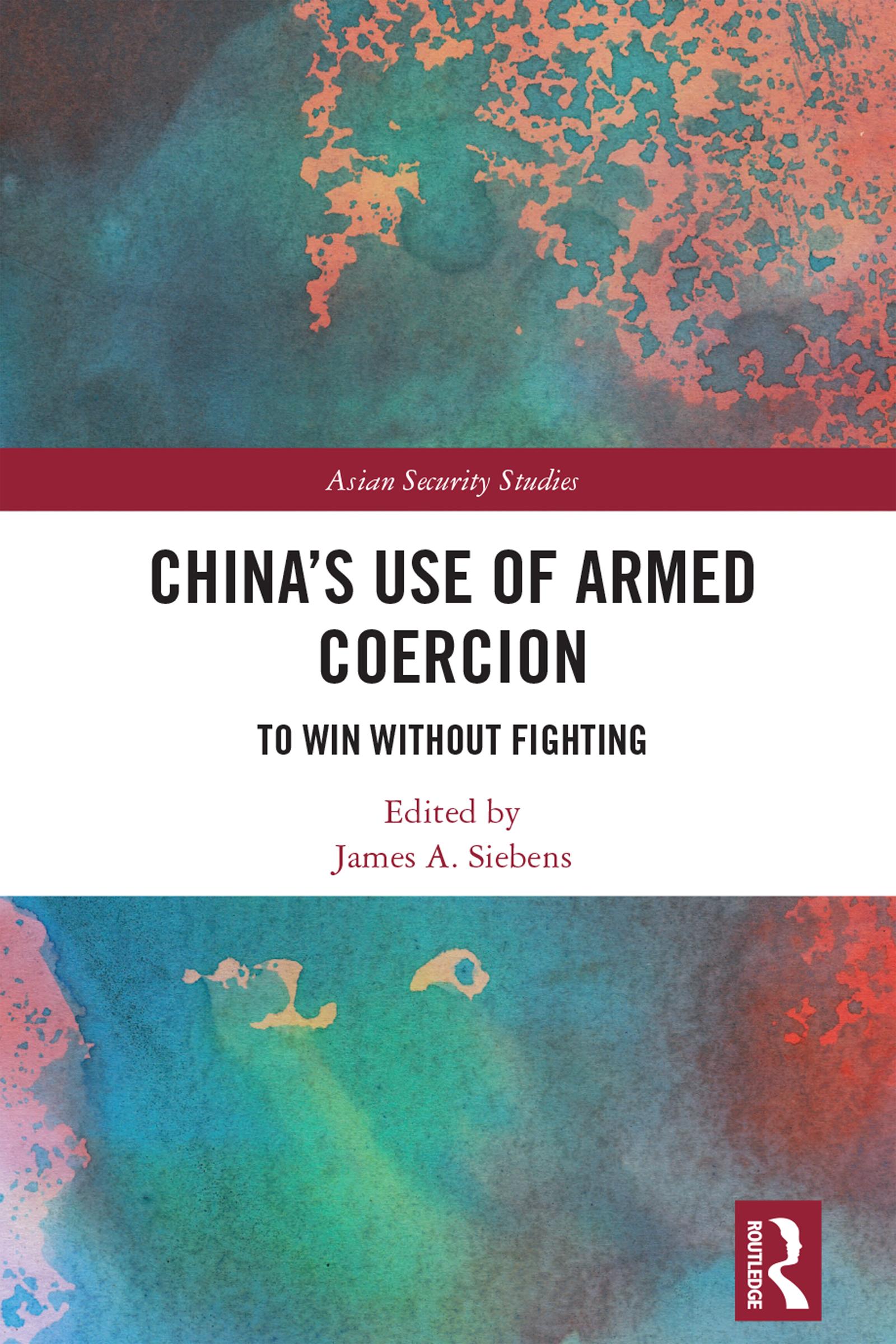
This book analyzes when, how, why, and to what effect China has used its armed forces in recent decades to coerce other actors in the international system.
Over the past 20 years, China’s international status as a “great power” has become undeniable. China’s “peaceful rise” has included substantial investments in military modernization and an increasingly assertive regional posture. While China has not waged war since 1979, it has frequently resorted to what the U.S. State Department has referred to as “gangster tactics” – threats, intimidation, and armed confrontation – to advance its strategic aims. This volume illuminates the ways in which China has employed its military and paramilitary tools to coerce other states, and examines the motivations and specific foreign policy objectives that China has pursued using force short of war. The study presents new analysis of an original dataset on coercive actions undertaken by China’s armed forces, taking into account the political objectives pursued and the environmental contexts in which these operations occurred. It also presents a series of expert case studies addressing the most consequential examples of China using force to coerce in recent decades. The volume contributes to a more historically informed, empirically based understanding of great power competition.
This book will be of much interest to students of Chinese security and foreign policy, strategic studies, Asian politics and International Relations.
Betala smidigt med kort, Klarna, Apple Pay eller Google Pay. Är du inte nöjd har du alltid 14 dagars ångerrätt. Läs mer i våra villkor. Har du några frågor, mejla oss på hello@memmo.org.
Memmo gör det enklare att plugga – var du än är i världen. Hos oss samlar du kursböcker och smarta studieverktyg på ett och samma ställe: sammanfattningar, quiz, poddar och flashcards. Och så Ted, din studiekompis som svarar på allt du undrar. Över 50 000 studenter pluggar redan här – byggt för att du ska lära dig snabbare och stressa mindre.