
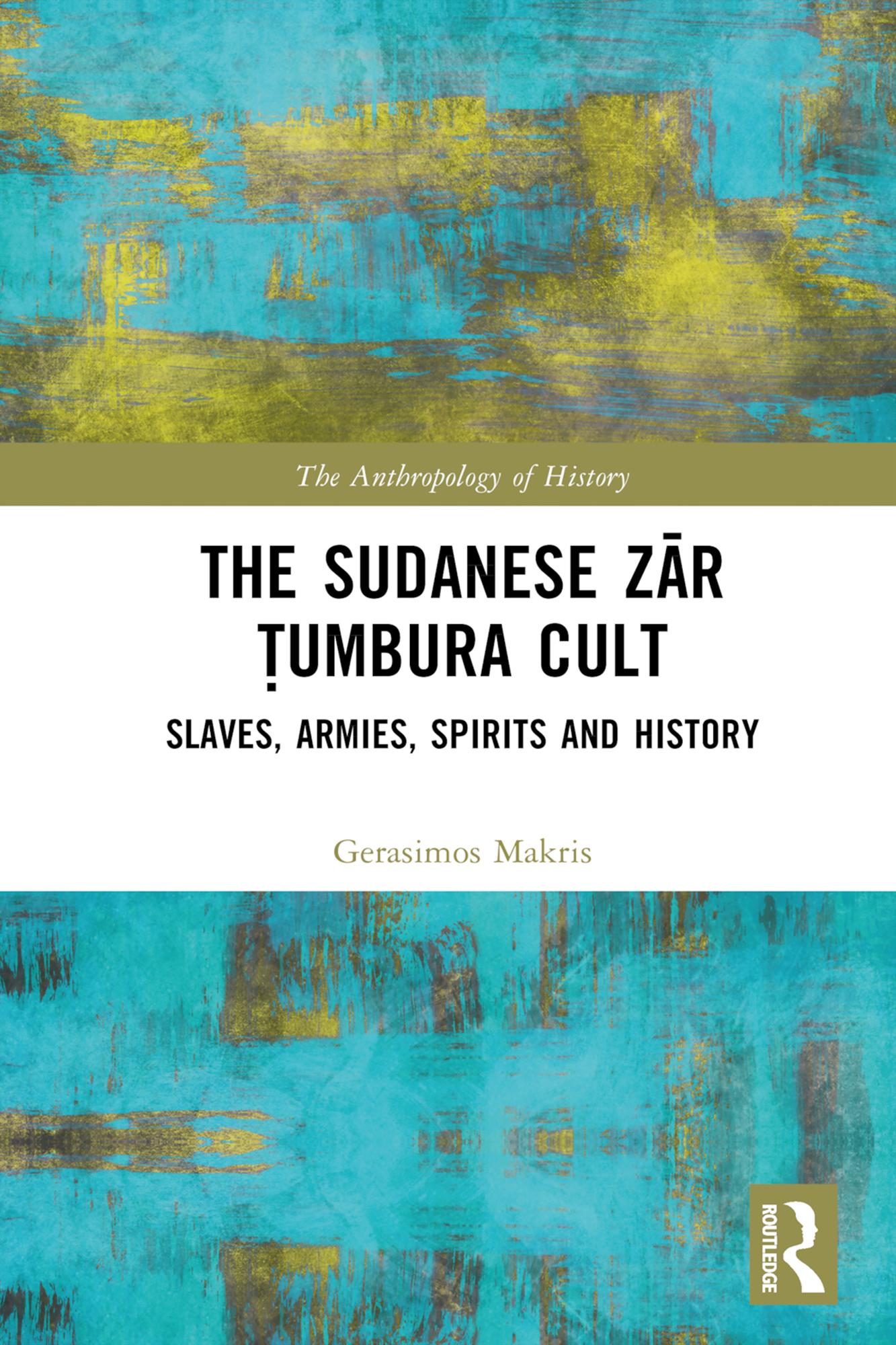
This book offers a historically sensitive ethnography of the zār ṭumbura spirit possession cult, associated with descendants of African slaves who live mainly in the area of Greater Khartoum, Sudan. It considers the history and transformations of ṭumbura, from the 19th-century slaving era to the present post-Islamist autocracy. The chapters examine the ṭumbura spiritual universe and ceremonial life, its relation to the more popular female cult of zār borē and to other now extinct forms of celebrating the zār spirit(s), as well as ṭumbura’s combination of possession, sorcery, ancestor worship and ṣūfī piety. Based on long-term fieldwork, the study shows how successive generations of subaltern cult devotees construct a positive self-identity based on an alternative reading of Sudanese history. The author explores the edges of Sudanese Islamic religiosity and probes the limits of anthropological classifications concerning religious experience. Situating ṭumbura in its wider context, the book discusses subaltern modes of historicity in their articulation with dominant conceptions of history, traces the legacy of slavery and the role of memory and invites comparisons with Middle Eastern, Sahelian and even New World societies regarding stigmatised identities, slavery, race, memory and history. It will be of interest to scholars of anthropology, history, religious studies, Islamic studies and African studies.
Betala smidigt med kort, Klarna, Apple Pay eller Google Pay. Är du inte nöjd har du alltid 14 dagars ångerrätt. Läs mer i våra villkor. Har du några frågor, mejla oss på hello@memmo.org.
Memmo gör det enklare att plugga – var du än är i världen. Hos oss samlar du kursböcker och smarta studieverktyg på ett och samma ställe: sammanfattningar, quiz, poddar och flashcards. Och så Ted, din studiekompis som svarar på allt du undrar. Över 50 000 studenter pluggar redan här – byggt för att du ska lära dig snabbare och stressa mindre.