
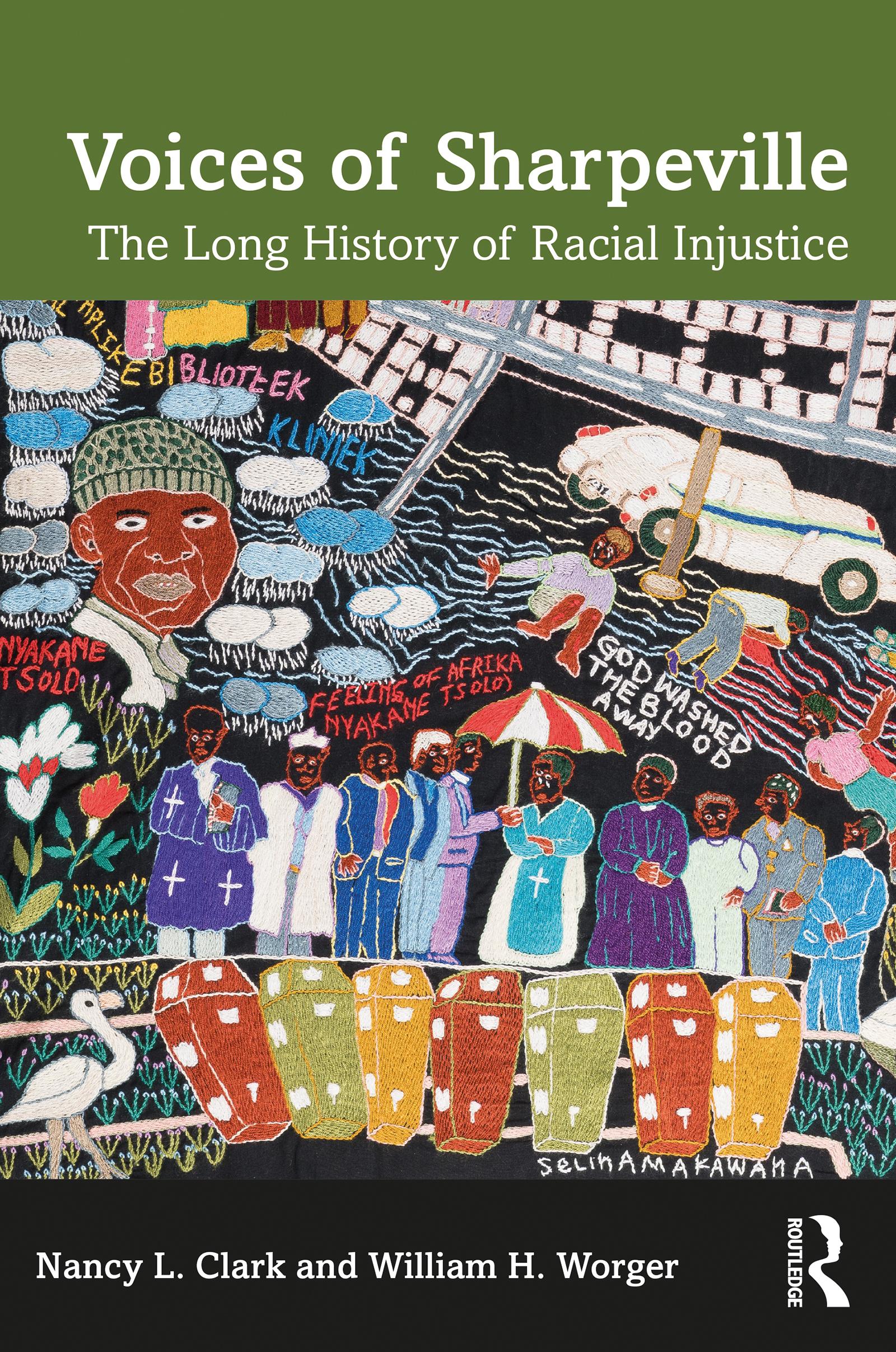
This is the first in-depth study of Sharpeville, the South African township that was the site of the infamous police massacre of March 21, 1960, the event that prompted the United Nations to declare apartheid a "crime against humanity."
Voices of Sharpeville brings to life the destruction of Sharpeville’s predecessor, Top Location, and the careful planning of its isolated and carceral design by apartheid architects. A unique set of eyewitness testimonies from Sharpeville’s inhabitants reveals how they coped with apartheid and why they rose up to protest this system, narrating this massacre for the first time in the words of the participants themselves. Previously understood only through the iconic photos of fleeing protestors and dead bodies, the timeline is reconstructed using an extensive archive of new documentary and oral sources including unused police records, personal interviews with survivors and their families, and maps and family photos. By identifying nearly all the victims, many omitted from earlier accounts, the authors upend the official narrative of the massacre.
Amid worldwide struggles against racial discrimination and efforts to give voices to protestors and victims of state violence, this book provides a deeper understanding of this pivotal event for a newly engaged international audience.
Betala smidigt med kort, Klarna, Apple Pay eller Google Pay. Är du inte nöjd har du alltid 14 dagars ångerrätt. Läs mer i våra villkor. Har du några frågor, mejla oss på hello@memmo.org.
Memmo gör det enklare att plugga – var du än är i världen. Hos oss samlar du kursböcker och smarta studieverktyg på ett och samma ställe: sammanfattningar, quiz, poddar och flashcards. Och så Ted, din studiekompis som svarar på allt du undrar. Över 50 000 studenter pluggar redan här – byggt för att du ska lära dig snabbare och stressa mindre.