
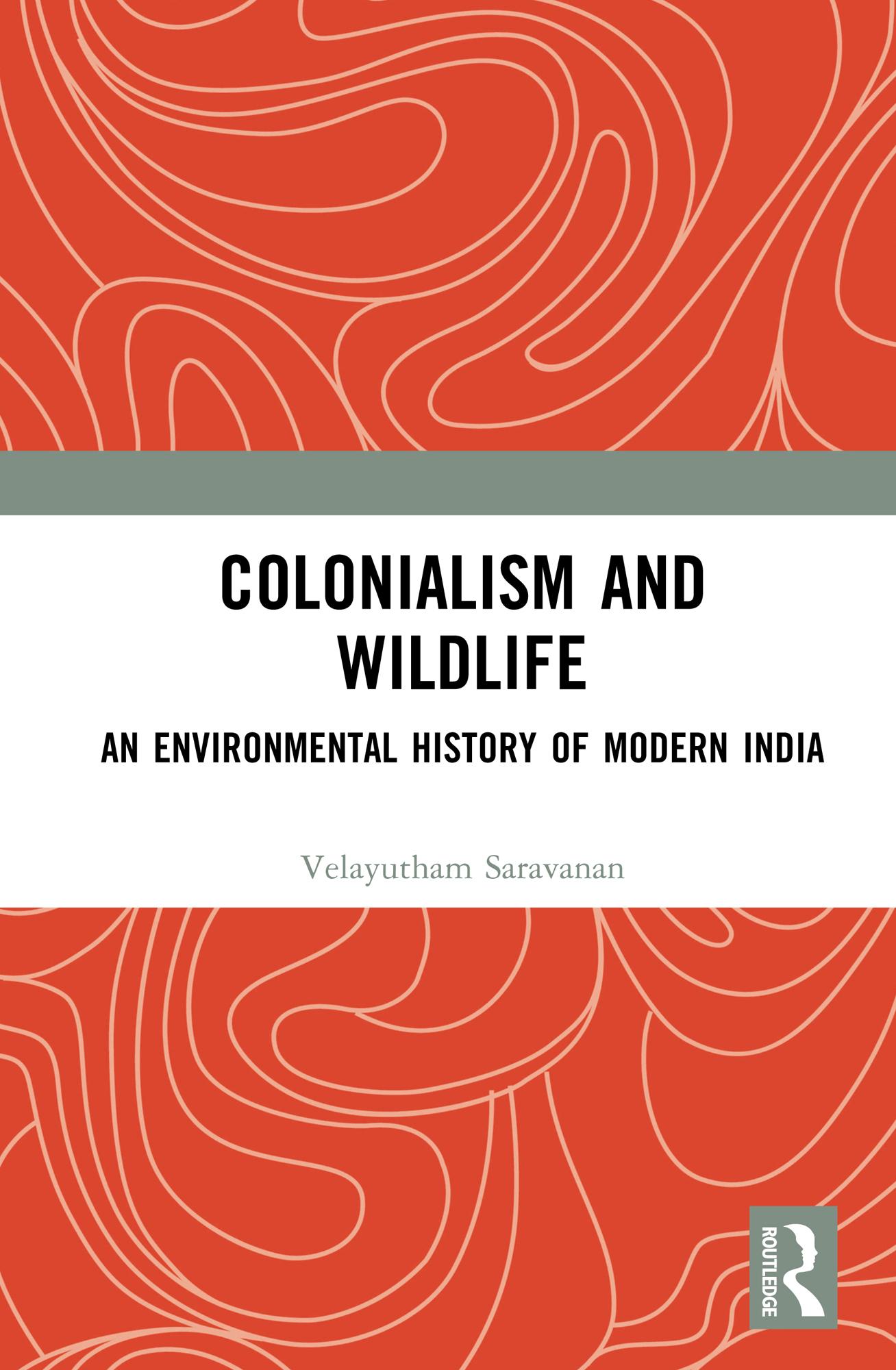
This book delves into the history of the commercialization of wildlife in India. It examines the colonial strategies that were employed in the commodification of wildlife resources specifically for lucrative domestic and international trade during the early nineteenth to the mid-twentieth century. It looks at how and why the colonial administration paid special emphasis on hunting and game sports which largely contributed to commodity capitalism in the form of taxidermy and wildlife exports. The author also critically analyses the wildlife laws and regulations promulgated by the colonial administration, such as the elephant protection act, birds and fisheries act, the forest acts, and studies how they have systematically brought wildlife under state control with a commercial motive.
An important contribution to the environmental history of India, this book is an essential interdisciplinary resource for scholars and researchers of history, colonialism, wildlife studies, economic history, ecological studies, environmental history, Indian history, South Asian studies, and development studies.
Betala smidigt med kort, Klarna, Apple Pay eller Google Pay. Är du inte nöjd har du alltid 14 dagars ångerrätt. Läs mer i våra villkor. Har du några frågor, mejla oss på hello@memmo.org.
Memmo gör det enklare att plugga – var du än är i världen. Hos oss samlar du kursböcker och smarta studieverktyg på ett och samma ställe: sammanfattningar, quiz, poddar och flashcards. Och så Ted, din studiekompis som svarar på allt du undrar. Över 50 000 studenter pluggar redan här – byggt för att du ska lära dig snabbare och stressa mindre.