
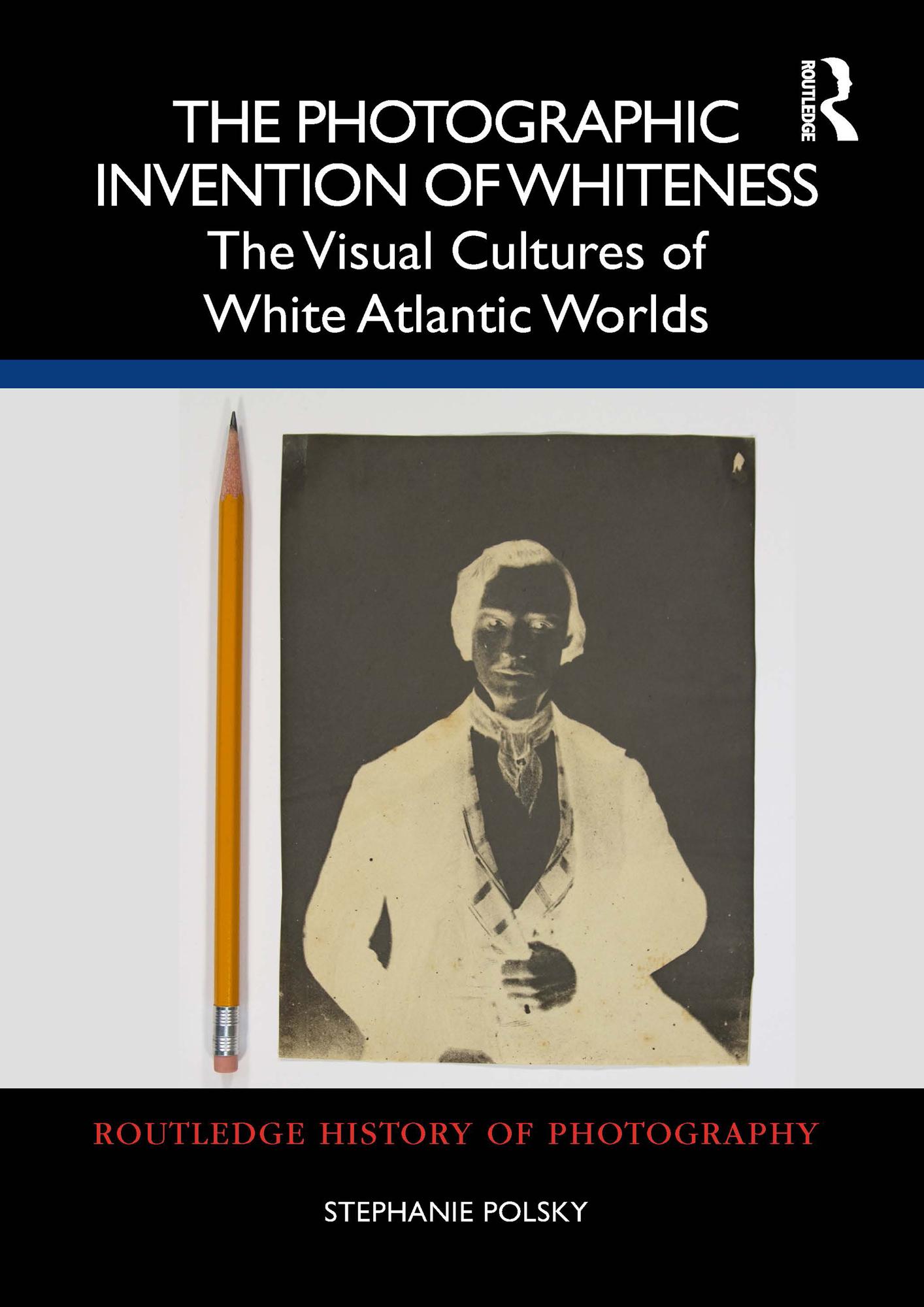
Focusing on the creation of the concept of Whiteness, this study links early photographic imagery to the development and exploitation that were common in the colonial Atlantic World of the mid-to-late nineteenth century.
With the advent of the daguerreotype in the mid-nineteenth century, White European settlers could imagine themselves as a supra-national community, where the attainment of wealth was rapidly becoming accessible through colonisation. Their dispersal throughout the colonial territories made possible the advent of a new representative type of Whiteness that eventually merged with the portrayal of modernity itself. Over time, the colonisation of the Atlantic World became synonymous with fascination itself within a European mind fixated upon both a racially subordinated world and the technical media through which it was represented. In the intervening centuries, images have acted as a medium of the imaginary, allowing for ideas around classification and the measurement of value to travel and to situate themselves as universal means. Contemporary societies still grapple with the residues of race, gender, class, and sexuality first established by the contrived mores of this representational medium, and those who were racialised by the camera as objects of fascination, curiosity, or concern have remained so well into the post-digital era.
The book will be of interest to scholars working in history of photography, art history, colonialism, and critical race theory.
Betala smidigt med kort, Klarna, Apple Pay eller Google Pay. Är du inte nöjd har du alltid 14 dagars ångerrätt. Läs mer i våra villkor. Har du några frågor, mejla oss på hello@memmo.org.
Memmo gör det enklare att plugga – var du än är i världen. Hos oss samlar du kursböcker och smarta studieverktyg på ett och samma ställe: sammanfattningar, quiz, poddar och flashcards. Och så Ted, din studiekompis som svarar på allt du undrar. Över 50 000 studenter pluggar redan här – byggt för att du ska lära dig snabbare och stressa mindre.