
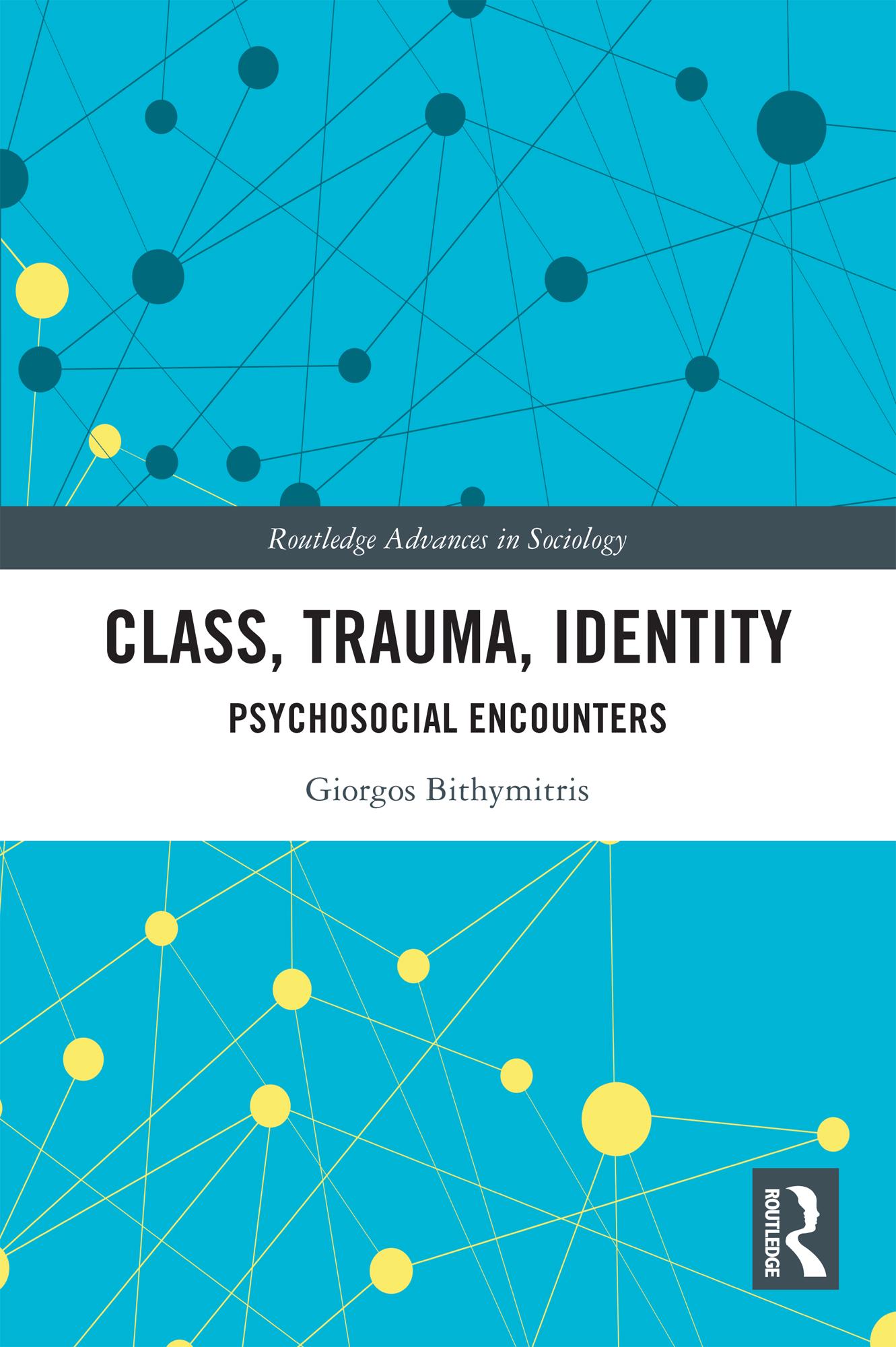
This book is a dialectic and multi-perspective examination of classed traumas in late modernity. The primary anchoring question is whether and how class becomes a condition of possibility for coping with traumas. What does it mean to experience deindustrialization, crises, or domestic violence from a specific class position? Do the coping mechanisms differ along the lines of class, gender, race, age, or ethnicity?
The text negotiates such questions, travelling back and forth from psychoanalysis to sociology and from the global to the local, while critically engaging with memories, narratives, and myths engraved into social and personal histories. Through a dialogic quest for what is silenced, and what is salient within oral, written, and visual testimonies, it foregrounds what the upper classes prefer to neglect: the traumatizing core of the new class divide. Rather than idealizing or vilifying the dominated, this study calls for an exploration of practices, narrations, and spaces whereby alienation and integration co-exist antagonistically, producing hybrid and fragmented, but also potentially transformative, subjectivities.
This book will be of interest to scholars of humanities and social sciences, primarily for those studying social stratification and inequalities, sociology of emotions, identity theory, trauma and memory, political psychoanalysis, labour history, and ethnography.
Betala smidigt med kort, Klarna, Apple Pay eller Google Pay. Är du inte nöjd har du alltid 14 dagars ångerrätt. Läs mer i våra villkor. Har du några frågor, mejla oss på hello@memmo.org.
Memmo gör det enklare att plugga – var du än är i världen. Hos oss samlar du kursböcker och smarta studieverktyg på ett och samma ställe: sammanfattningar, quiz, poddar och flashcards. Och så Ted, din studiekompis som svarar på allt du undrar. Över 50 000 studenter pluggar redan här – byggt för att du ska lära dig snabbare och stressa mindre.