
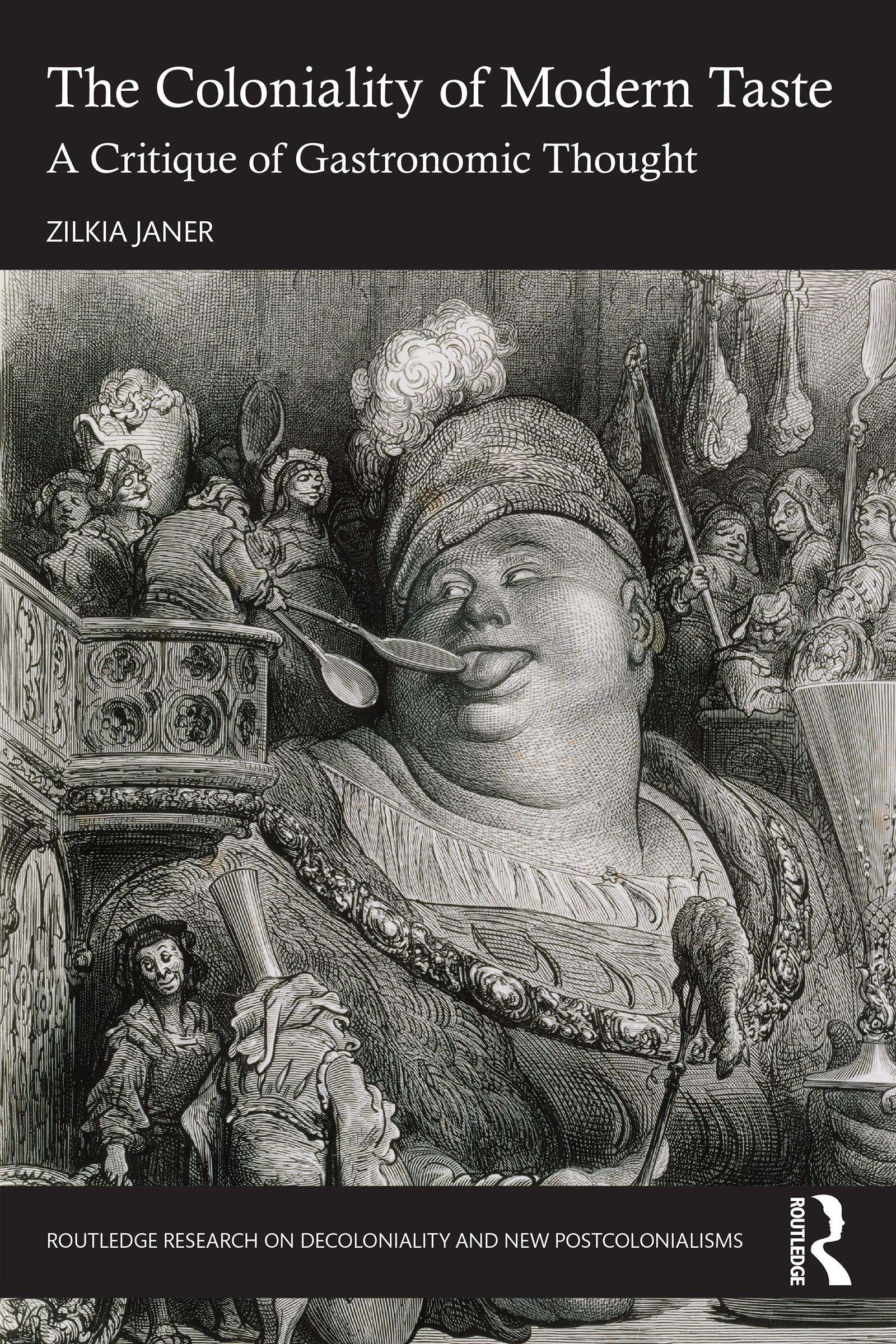
This book analyzes the coloniality of the concept of taste that gastronomy constructed and normalized as modern. It shows how gastronomy’s engagement with rationalist and aesthetic thought, and with colonial and capitalist structures, led to the desensualization, bureaucratization and racialization of its conceptualization of taste.
The Coloniality of Modern Taste provides an understanding of gastronomy that moves away from the usual celebratory approach. Through a discussion of nineteenth-century gastronomic publications, this book illustrates how the gastronomic notion of taste was shaped by a number of specifically modern constraints. It compares the gastronomic approach to taste to conceptualizations of taste that emerged in other geographical and philosophical contexts to illustrate that the gastronomic approach stands out as particularly bereft of affect. The book argues that the understanding of taste constructed by gastronomic texts continues to burden the affective experience of taste, while encouraging patterns of food consumption that rely on an exploitative and unsustainable global food system.
This book will appeal to students and scholars interested in cultural studies, decoloniality, affect theory, sensory studies, gastronomy and food studies.
Betala smidigt med kort, Klarna, Apple Pay eller Google Pay. Är du inte nöjd har du alltid 14 dagars ångerrätt. Läs mer i våra villkor. Har du några frågor, mejla oss på hello@memmo.org.
Memmo gör det enklare att plugga – var du än är i världen. Hos oss samlar du kursböcker och smarta studieverktyg på ett och samma ställe: sammanfattningar, quiz, poddar och flashcards. Och så Ted, din studiekompis som svarar på allt du undrar. Över 50 000 studenter pluggar redan här – byggt för att du ska lära dig snabbare och stressa mindre.