
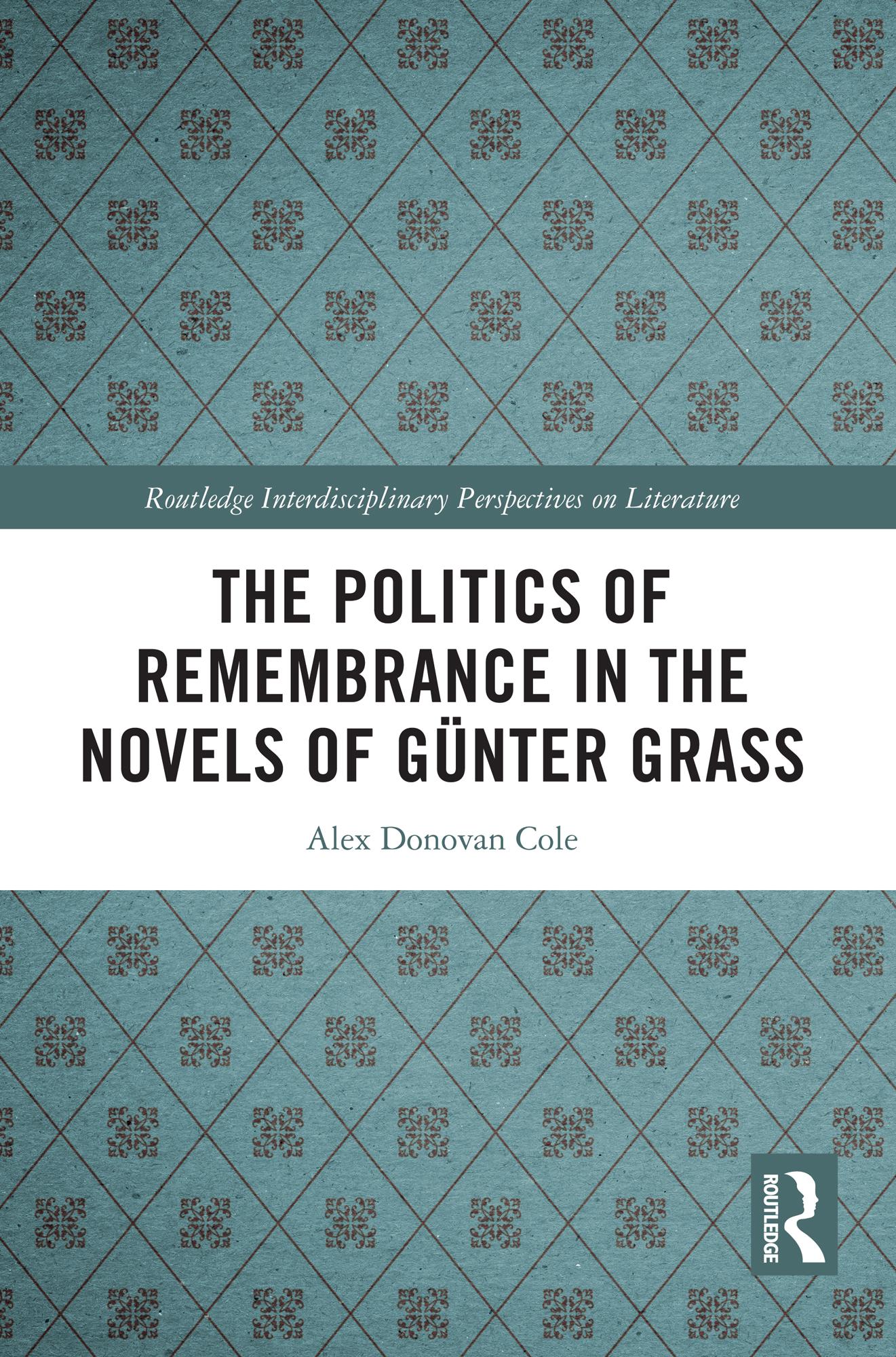
This manuscript argues for the importance of Günter Grass as a political thinker in addition to his status as a novelist and public intellectual, capable of forming ethical responses to contemporary issues like neoliberalism and place of the petit bourgeoisie in social life. I define Grass’s trajectory as a thinker through his novels and speeches. Primarily, I draw attention to the role memory plays in Grass’s thought: that his work represented an intellectual and aesthetic response to the role Nazism continued to play in West German politics in the post war era. To Grass, Nazism represented a resurgent threat unaddressed following the end of World War II. Later, Grass amended his concept of memory politics to address neoliberal capitalism, reiterating his radicalism and affirming the need for German society to resist the rise of extreme ideologies.
Betala smidigt med kort, Klarna, Apple Pay eller Google Pay. Är du inte nöjd har du alltid 14 dagars ångerrätt. Läs mer i våra villkor. Har du några frågor, mejla oss på hello@memmo.org.
Memmo gör det enklare att plugga – var du än är i världen. Hos oss samlar du kursböcker och smarta studieverktyg på ett och samma ställe: sammanfattningar, quiz, poddar och flashcards. Och så Ted, din studiekompis som svarar på allt du undrar. Över 50 000 studenter pluggar redan här – byggt för att du ska lära dig snabbare och stressa mindre.