
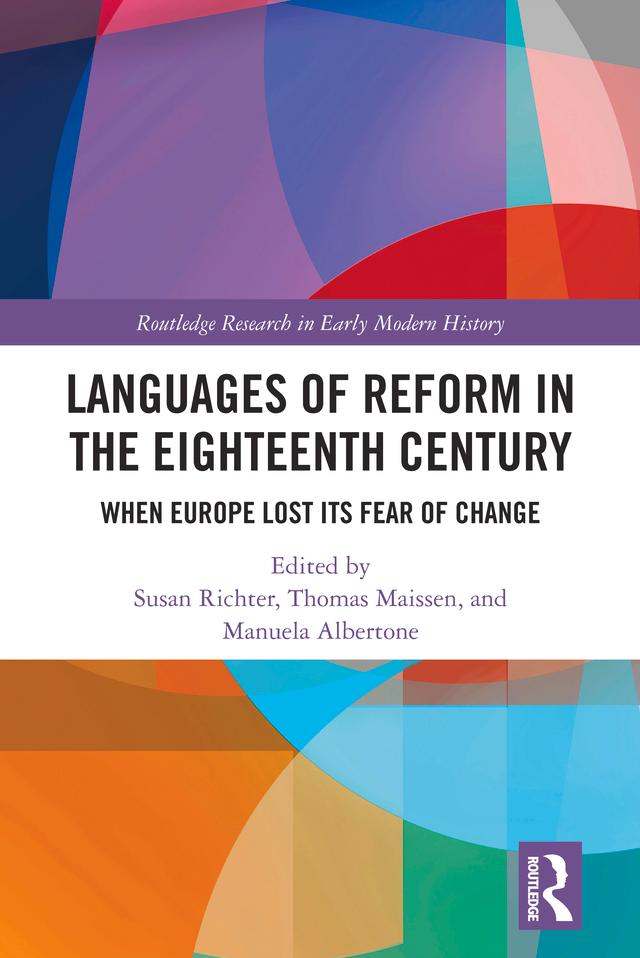
Societies perceive "Reform" or "Reforms" as substantial changes and significant breaks which must be well-justified. The Enlightenment brought forth the idea that the future was uncertain and could be shaped by human beings. This gave the concept of reform a new character and new fields of application. Those who sought support for their plans and actions needed to reflect, develop new arguments, and offer new reasons to address an anonymous public. This book aims to compile these changes under the heuristic term of "languages of reform." It analyzes the structures of communication regarding reforms in the 18th century through a wide variety of topics.
Betala smidigt med kort, Klarna, Apple Pay eller Google Pay. Är du inte nöjd har du alltid 14 dagars ångerrätt. Läs mer i våra villkor. Har du några frågor, mejla oss på hello@memmo.org.
Memmo gör det enklare att plugga – var du än är i världen. Hos oss samlar du kursböcker och smarta studieverktyg på ett och samma ställe: sammanfattningar, quiz, poddar och flashcards. Och så Ted, din studiekompis som svarar på allt du undrar. Över 50 000 studenter pluggar redan här – byggt för att du ska lära dig snabbare och stressa mindre.