
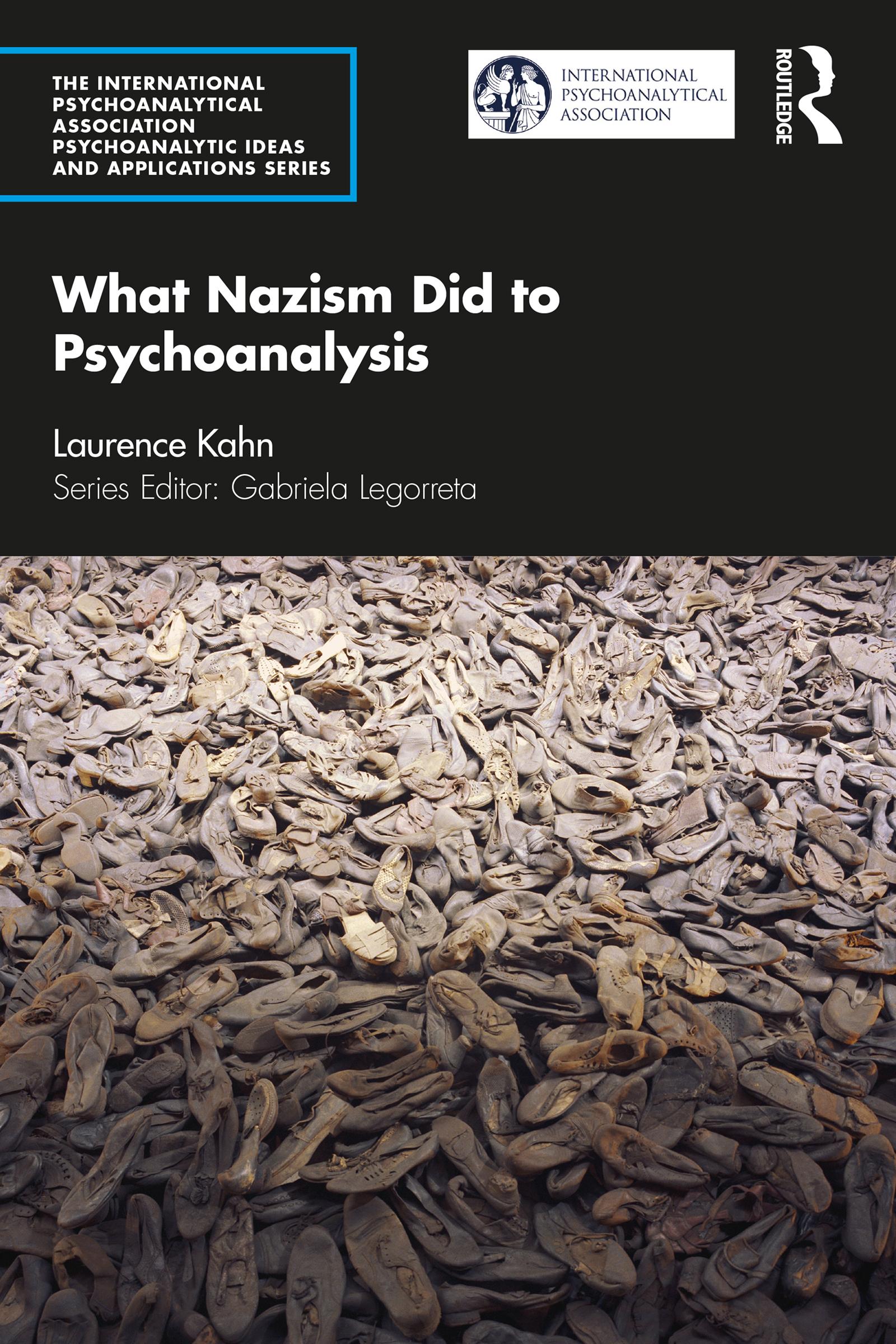
What Nazism Did to Psychoanalysis explores the impact Nazism had on the evolution of psychoanalysis and tackles the enigma of the transformation of individual hate into mass psychosis and of the autocratic creation of a neo-reality.
Addressing the effects of the Holocaust on the psychoanalytic world, this book does not focus on the suffering of the survivors but the analysis of the concrete mechanisms of destruction that affected language and thought, their impact on the practice of psychoanalysis and the defences that psychoanalysts tried to find against the linguistic, legal and symbolic chaos that struck the foundations of reality. Laurence Kahn discusses the struggle against the appropriation, by the Nazi language, of key terms such as demonic nature, drives, ideals and, above all, the Selbsterhaltungstrieb (the self-preservation drive), which became, with Hitler, the axis of the living space policy, the "Lebensraum".
Covering key topics such as trauma, transgenerational issues, silence and secrecy and the depredation of culture, this is an essential work for psychoanalysts and anyone wishing to understand how strongly the development of psychoanalysis was affected by Nazism.
Betala smidigt med kort, Klarna, Apple Pay eller Google Pay. Är du inte nöjd har du alltid 14 dagars ångerrätt. Läs mer i våra villkor. Har du några frågor, mejla oss på hello@memmo.org.
Memmo gör det enklare att plugga – var du än är i världen. Hos oss samlar du kursböcker och smarta studieverktyg på ett och samma ställe: sammanfattningar, quiz, poddar och flashcards. Och så Ted, din studiekompis som svarar på allt du undrar. Över 50 000 studenter pluggar redan här – byggt för att du ska lära dig snabbare och stressa mindre.