
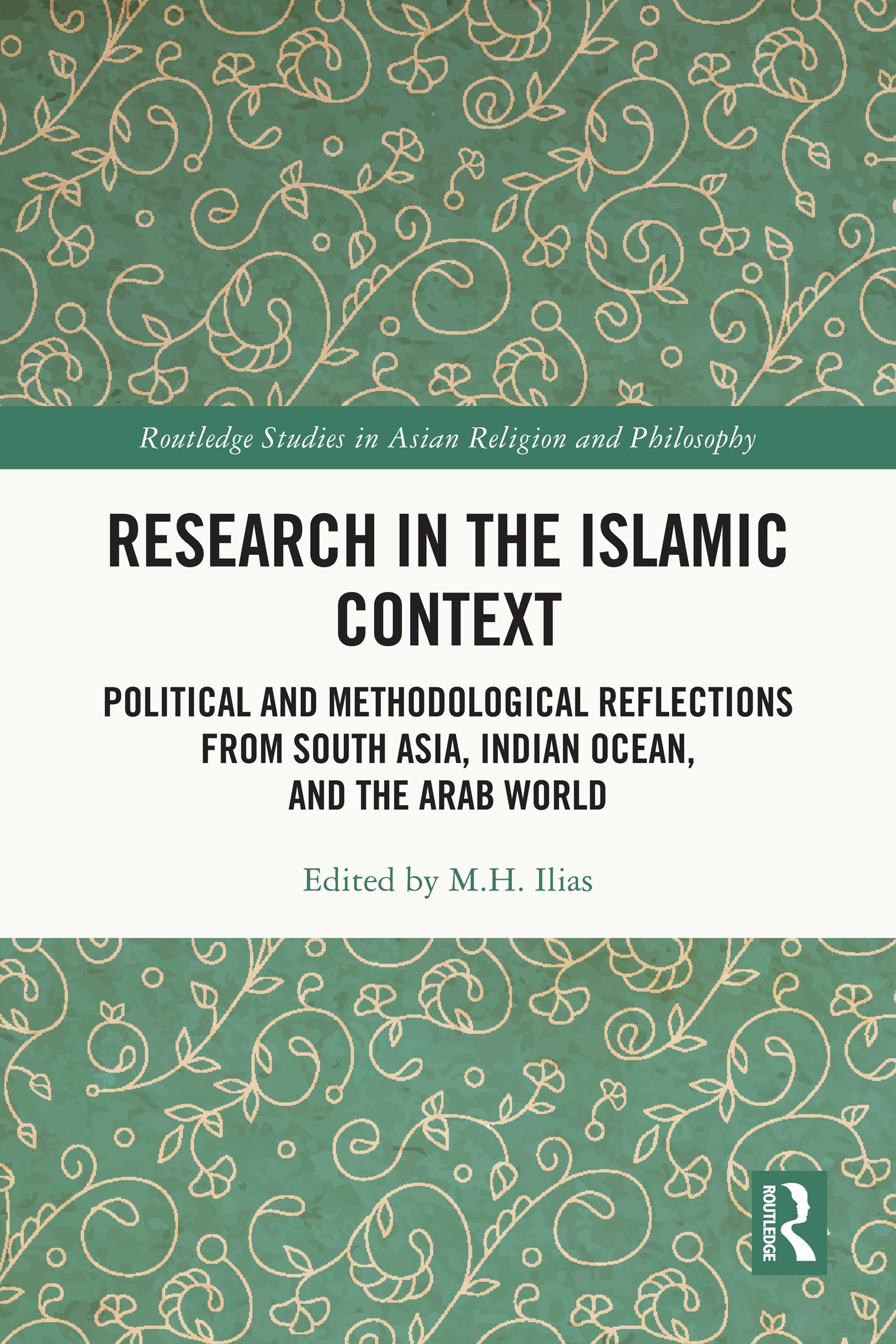
This book explores some of the political and methodological directions that collectively lead to the repositioning of Islam in social science research as both an epistemic/ontological category and as a method.
Chapters by experts in the field explore research in the Islamic context vis-à-vis these two distinct yet somehow interrelated frames. The question being raised here is how Islam as socio-religious notion is related to Islam as a theoretical/methodological framework. Taking cues from the experience of contributors, this book also examines the question if current methodologies or frames of references are pluralized enough to accommodate the question of Muslims or could the scholars themselves create alternative directions around the dominant spaces. The book offers ethnographic studies of Muslim communities mostly in minority settings and engages with a number of issues researchers encounter when dealing with the lived or everyday Islam.
This book is essential reading for anyone engaged in the study of Muslims in the contemporary world. It will appeal to scholars of religious studies, studies of Islam in the West, anthropology, sociology, cultural studies, human geography, and research methods.
Betala smidigt med kort, Klarna, Apple Pay eller Google Pay. Är du inte nöjd har du alltid 14 dagars ångerrätt. Läs mer i våra villkor. Har du några frågor, mejla oss på hello@memmo.org.
Memmo gör det enklare att plugga – var du än är i världen. Hos oss samlar du kursböcker och smarta studieverktyg på ett och samma ställe: sammanfattningar, quiz, poddar och flashcards. Och så Ted, din studiekompis som svarar på allt du undrar. Över 50 000 studenter pluggar redan här – byggt för att du ska lära dig snabbare och stressa mindre.