
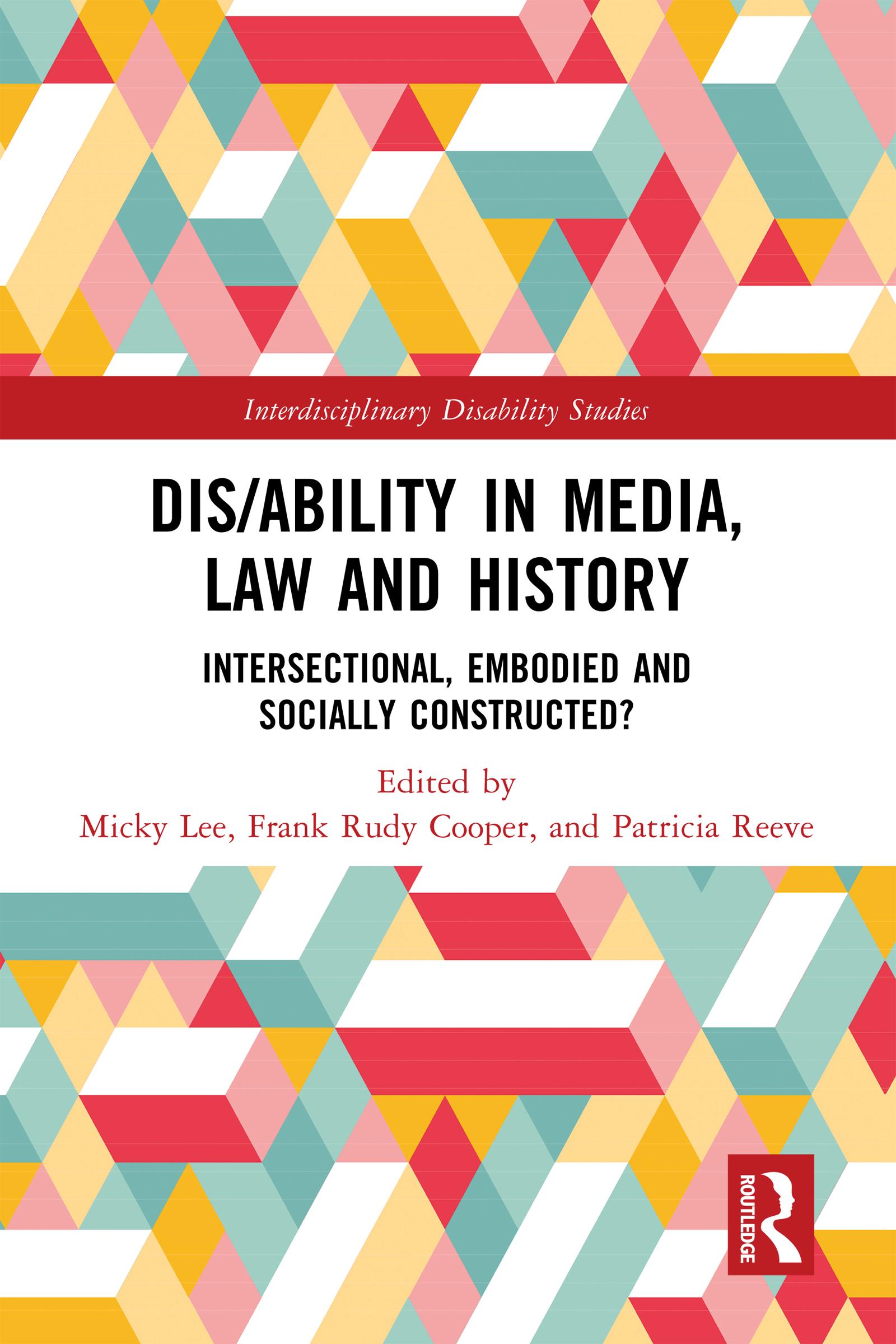
This book explores how being "disabled" originates in the physical world, social representations and rules, and historical power relations—the interplay of which render bodies "normal" or not.
Do parking signs that represent people in wheelchairs as self-propelling influence how we view dis/ability? How do wheelchair users understand their own bodies and an environment not built for them? By asking questions like these the authors reveal how normalization has informed people’s experiences of their bodies and their fight for substantive equality. Understanding these processes requires acknowledging the tension between social construction and embodiment as well as centering the intersection of dis/abilities with other identities, such as race, class, gender, sex orientation, citizen status, and so on.
Scholars and researchers will find that this book provides new avenues for thinking about dis/ability. A wider audience will find it accessible and informative.
Betala smidigt med kort, Klarna, Apple Pay eller Google Pay. Är du inte nöjd har du alltid 14 dagars ångerrätt. Läs mer i våra villkor. Har du några frågor, mejla oss på hello@memmo.org.
Memmo gör det enklare att plugga – var du än är i världen. Hos oss samlar du kursböcker och smarta studieverktyg på ett och samma ställe: sammanfattningar, quiz, poddar och flashcards. Och så Ted, din studiekompis som svarar på allt du undrar. Över 50 000 studenter pluggar redan här – byggt för att du ska lära dig snabbare och stressa mindre.