
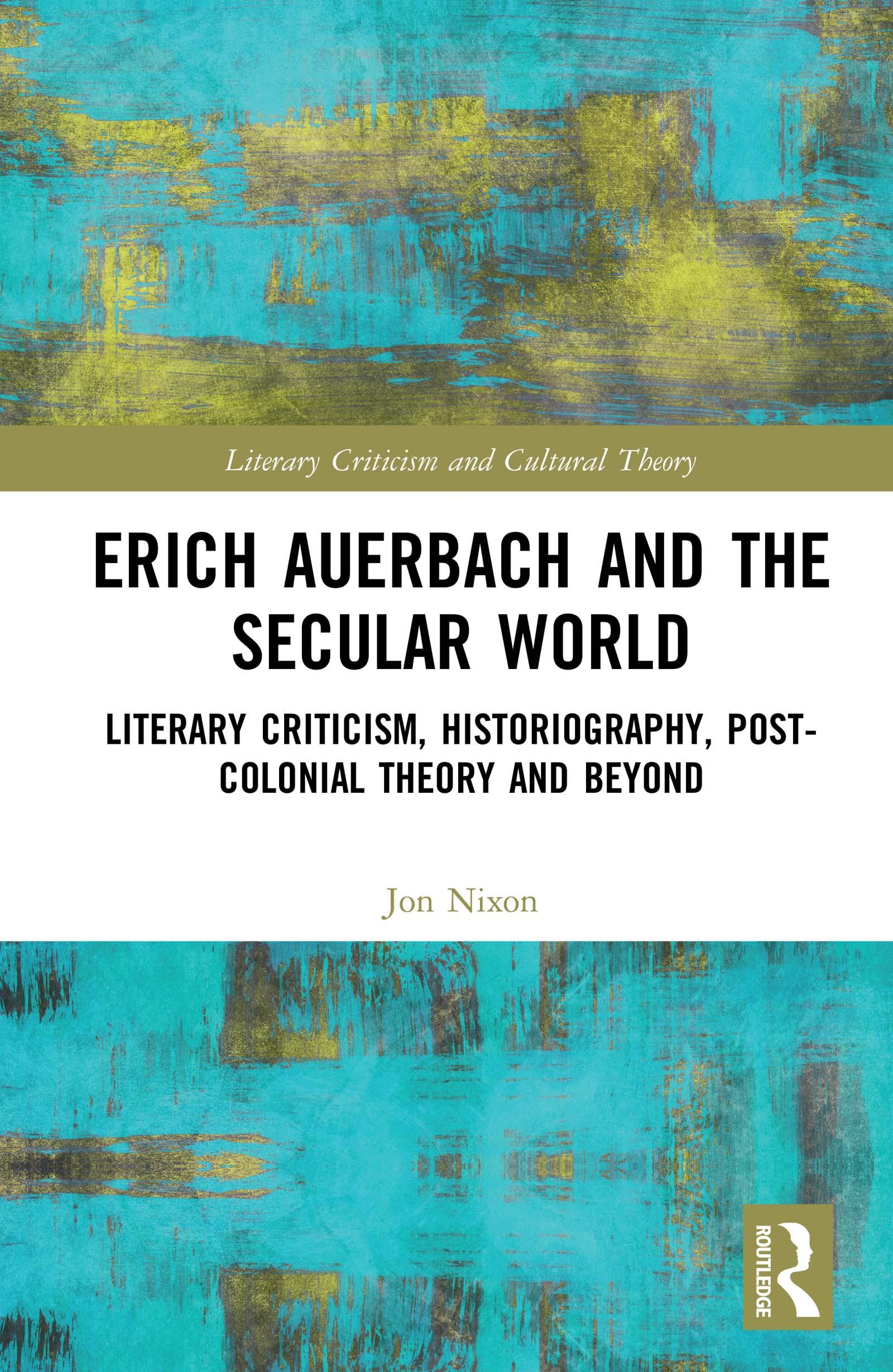
Auerbach was one of the foremost literary critics of the 20th century whose work has relevance within the fields of literary criticism, historiography and postcolonial theory. The opening chapter of this book explains how he understood the task of interpretation and his role as an interpreter. The following chapter outlines the important phases in his life with reference to the writers and thinkers who influenced him in his thinking and practice. The central chapters of the book focus on specific themes in his work: the historical grounding of the ‘figural’ imagination; the relation between the secular and the sacred; the emergence of tragic realism; and the notion of ‘inner history’ as a defining feature of early 20th-cenntury modernism. The final two chapters focus on broader issues relating to the development of Auerbach’s understanding of the development of an educated readership within Europe and of his concerns regarding the emergence of what he terms ‘a world literature’.
Betala smidigt med kort, Klarna, Apple Pay eller Google Pay. Är du inte nöjd har du alltid 14 dagars ångerrätt. Läs mer i våra villkor. Har du några frågor, mejla oss på hello@memmo.org.
Memmo gör det enklare att plugga – var du än är i världen. Hos oss samlar du kursböcker och smarta studieverktyg på ett och samma ställe: sammanfattningar, quiz, poddar och flashcards. Och så Ted, din studiekompis som svarar på allt du undrar. Över 50 000 studenter pluggar redan här – byggt för att du ska lära dig snabbare och stressa mindre.