
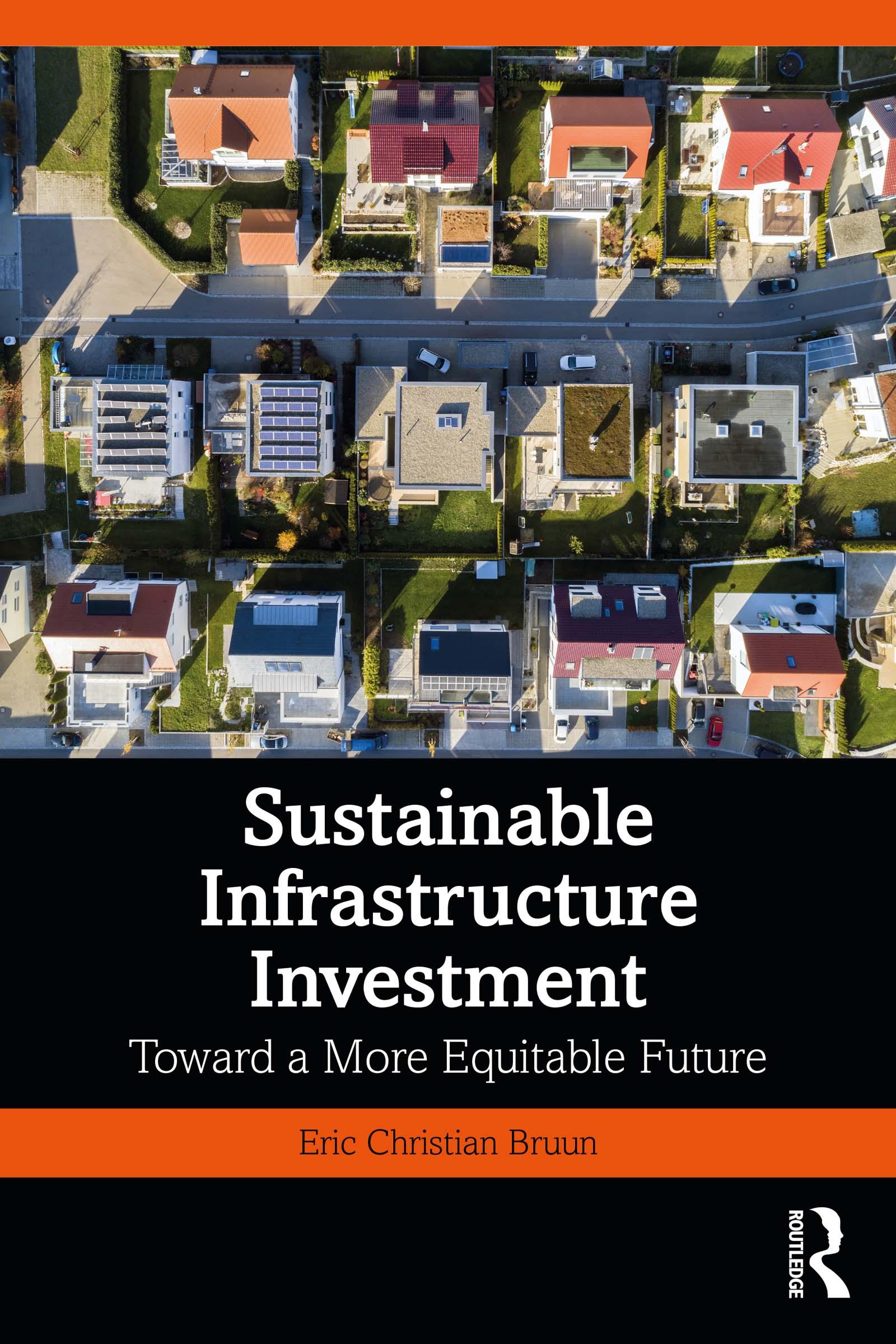
This book provides examples and suggestions for readers to understand how public investment decisions for sustainable infrastructure are made. Through detailed analysis of public investment in infrastructure over the last few decades in the United States, the United Kingdom, and Finland, the author explores how the decision-making processes for major public works spending, many of them requiring quite rigorous and detailed computational methodologies, can result in plans that underserve large portions of the population, are inequitable, and fail to efficiently preserve public property. Beginning with some of the commonly offered explanations for the slow pace of investment and repair in a supposedly prosperous society facing serious environmental challenges, the book then explores media’s role in shaping the public-at-large’s understanding of the situation and the unimaginative solutions put forward by politicians. It continues with some case studies of infrastructure investment, or lack thereof, including an exploration of competing uses for government funds. It concludes with some suggestions. It is aimed at a large readership of professionals, students, and policy makers in political science, urban planning, and civil engineering.
Betala smidigt med kort, Klarna, Apple Pay eller Google Pay. Är du inte nöjd har du alltid 14 dagars ångerrätt. Läs mer i våra villkor. Har du några frågor, mejla oss på hello@memmo.org.
Memmo gör det enklare att plugga – var du än är i världen. Hos oss samlar du kursböcker och smarta studieverktyg på ett och samma ställe: sammanfattningar, quiz, poddar och flashcards. Och så Ted, din studiekompis som svarar på allt du undrar. Över 75 000 studenter pluggar redan här – byggt för att du ska lära dig snabbare och stressa mindre.