
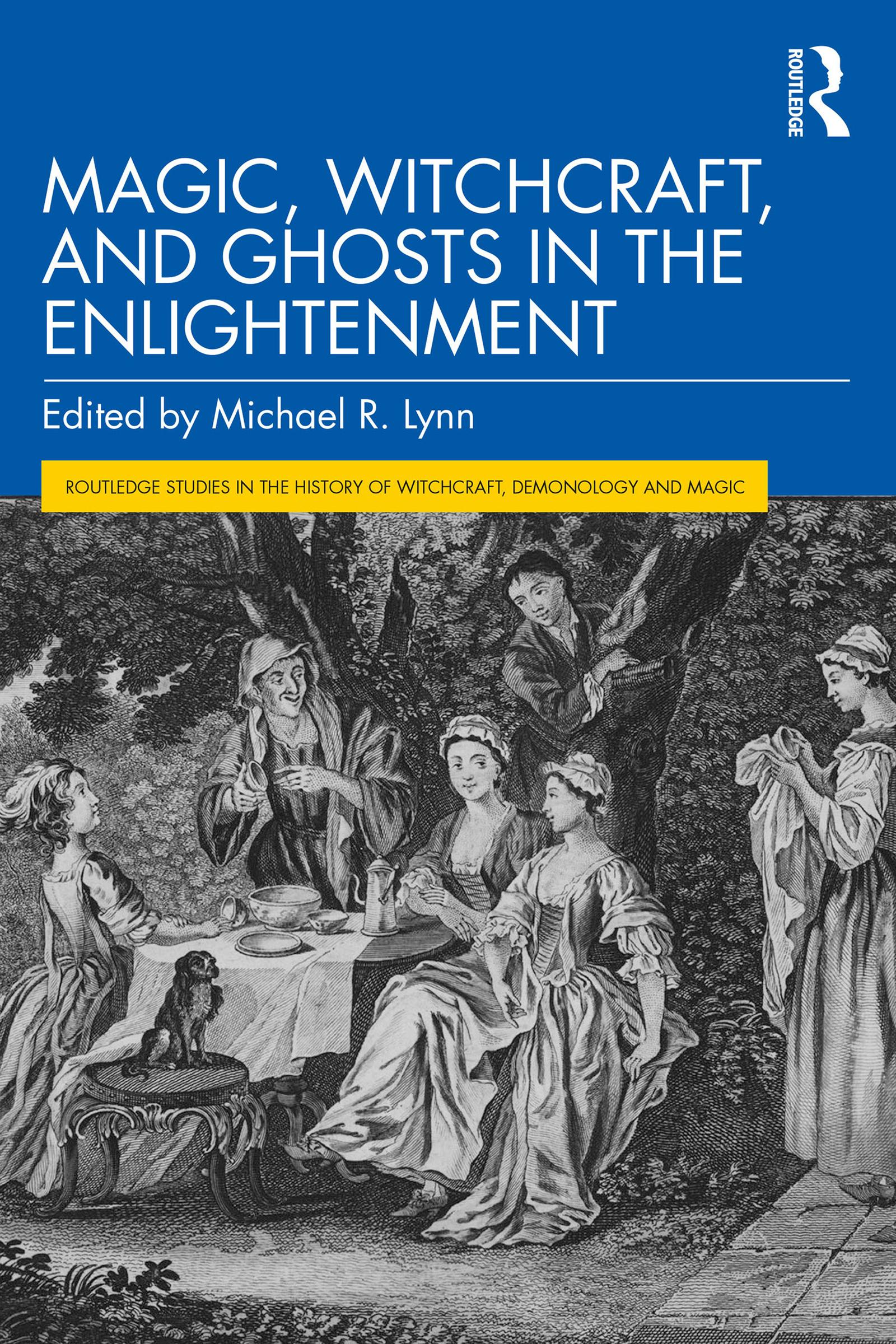
Magic, Witchcraft, and Ghosts in the Enlightenment argues for the centrality of magical practices and ideas throughout the long eighteenth century.
Although the hunt for witches in Europe declined precipitously after 1650, and the intellectual justification for natural magic came under fire by 1700, belief in magic among the general population did not come to a sudden stop. The philosophes continued to take aim at magical practices, alongside religion, as examples of superstitions that an enlightened age needed to put behind them. In addition to a continuity of beliefs and practices, the eighteenth century also saw improvement and innovation in magical ideas, the understanding of ghosts, and attitudes toward witchcraft. The volume takes a broad geographical approach and includes essays focusing on Great Britain (England and Ireland), France, Germany, and Hungary. It also takes a wide approach to the subject and includes essays on astrology, alchemy, witchcraft, cunning folk, ghosts, treasure hunters, and purveyors of magic.
With a broad chronological scope that ranges from the end of the seventeenth century to the early nineteenth century, this volume is useful for undergraduates, postgraduates, scholars, and those with a general interest in magic, witchcraft, and spirits in the Enlightenment.
Betala smidigt med kort, Klarna, Apple Pay eller Google Pay. Är du inte nöjd har du alltid 14 dagars ångerrätt. Läs mer i våra villkor. Har du några frågor, mejla oss på hello@memmo.org.
Memmo gör det enklare att plugga – var du än är i världen. Hos oss samlar du kursböcker och smarta studieverktyg på ett och samma ställe: sammanfattningar, quiz, poddar och flashcards. Och så Ted, din studiekompis som svarar på allt du undrar. Över 50 000 studenter pluggar redan här – byggt för att du ska lära dig snabbare och stressa mindre.