
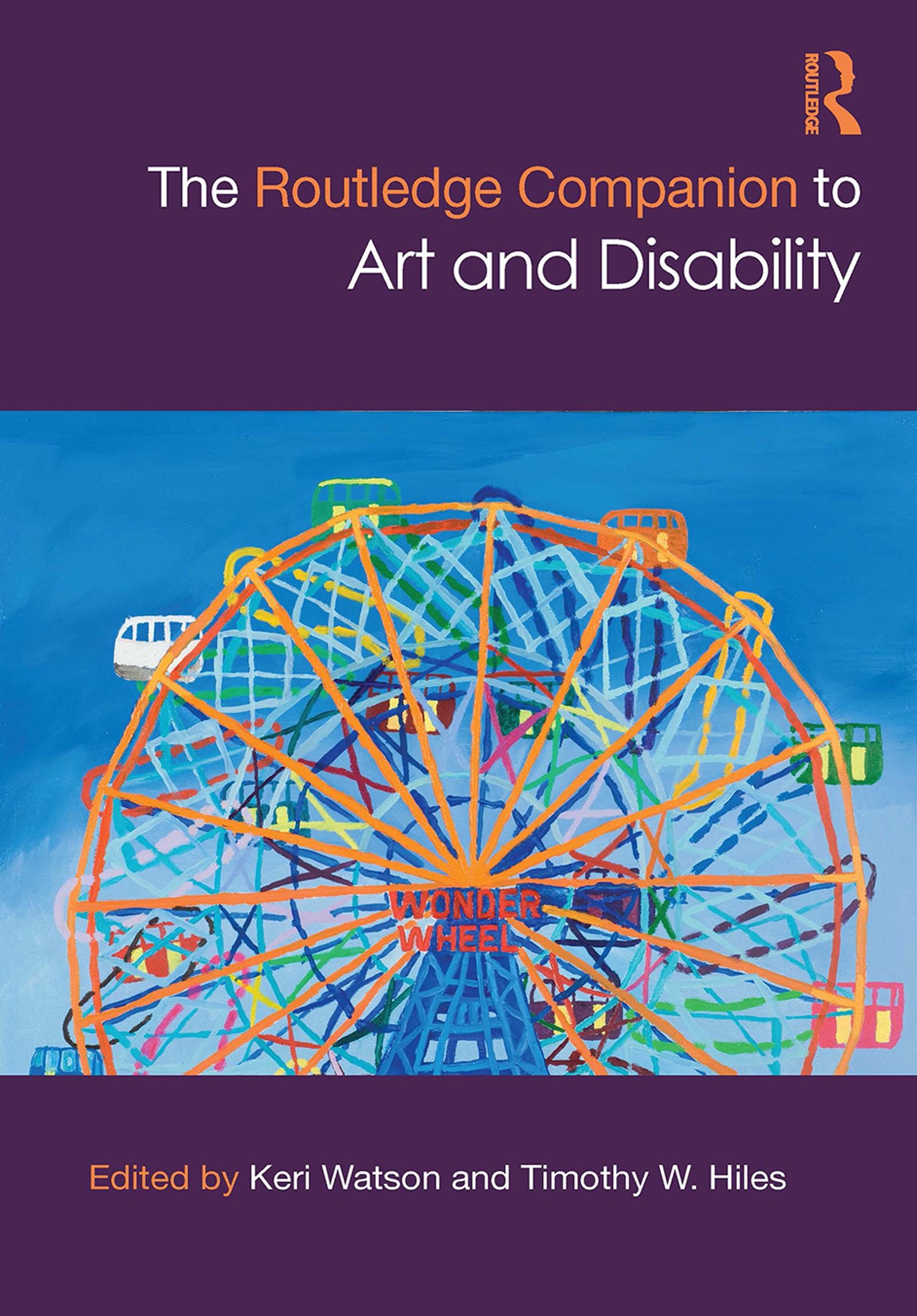
The Routledge Companion to Art and Disability explores disability in visual culture to uncover the ways in which bodily and cognitive differences are articulated physically and theoretically, and to demonstrate the ways in which disability is culturally constructed.
This companion is organized thematically and includes artists from across historical periods and cultures in order to demonstrate the ways in which disability is historically and culturally contingent. The book engages with questions such as: How are people with disabilities represented in art? How are notions of disability articulated in relation to ideas of normality, hybridity, and anomaly? How do artists use visual culture to affirm or subvert notions of the normative body? Contributors consider the changing role of disability in visual culture, the place of representations in society, and the ways in which disability studies engages with and critiques intersectional notions of gender, race, ethnicity, class, and sexuality.
This book will be particularly useful for scholars in art history, disability studies, visual culture, and museum studies.
Betala smidigt med kort, Klarna, Apple Pay eller Google Pay. Är du inte nöjd har du alltid 14 dagars ångerrätt. Läs mer i våra villkor. Har du några frågor, mejla oss på hello@memmo.org.
Memmo gör det enklare att plugga – var du än är i världen. Hos oss samlar du kursböcker och smarta studieverktyg på ett och samma ställe: sammanfattningar, quiz, poddar och flashcards. Och så Ted, din studiekompis som svarar på allt du undrar. Över 50 000 studenter pluggar redan här – byggt för att du ska lära dig snabbare och stressa mindre.