
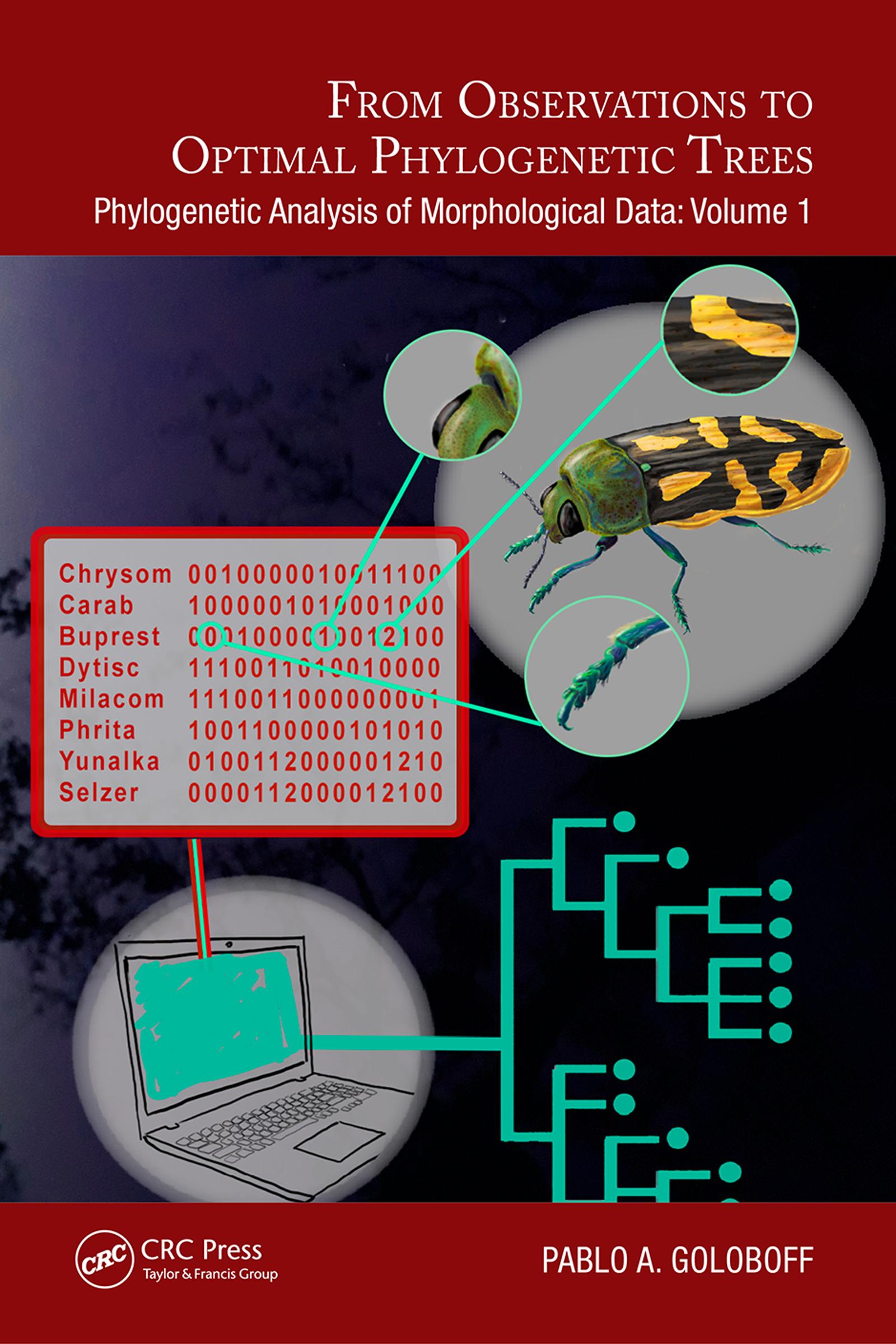
Taxonomists specializing in different groups once based phylogenetic analysis only on morphological data; molecular data was used more rarely. Although molecular systematics is routine today, the use of morphological data continues to be important, especially for phylogenetic placement of many taxa known only from fossils and rare or difficult to collect species. In addition, morphological analyses help identify potential biases in molecular analyses. And finally, scenarios with respect to morphology continue to motivate biologists: the beauty of a cheetah or a baobab does not lie in their DNA sequence, but instead on what they are and do! This book is an up-to-date revision of methods and principles of phylogenetic analysis of morphological data. It is also a general guide for using the computer program TNT in the analysis of such data. The book covers the main aspects of phylogenetic analysis and general methods to compare classifications derived from molecules and morphology. The basic aspects of molecular analysis are covered only as needed to highlight the differences with methods and assumptions for analysis of morphological datasets.
Betala smidigt med kort, Klarna, Apple Pay eller Google Pay. Är du inte nöjd har du alltid 14 dagars ångerrätt. Läs mer i våra villkor. Har du några frågor, mejla oss på hello@memmo.org.
Memmo gör det enklare att plugga – var du än är i världen. Hos oss samlar du kursböcker och smarta studieverktyg på ett och samma ställe: sammanfattningar, quiz, poddar och flashcards. Och så Ted, din studiekompis som svarar på allt du undrar. Över 50 000 studenter pluggar redan här – byggt för att du ska lära dig snabbare och stressa mindre.