
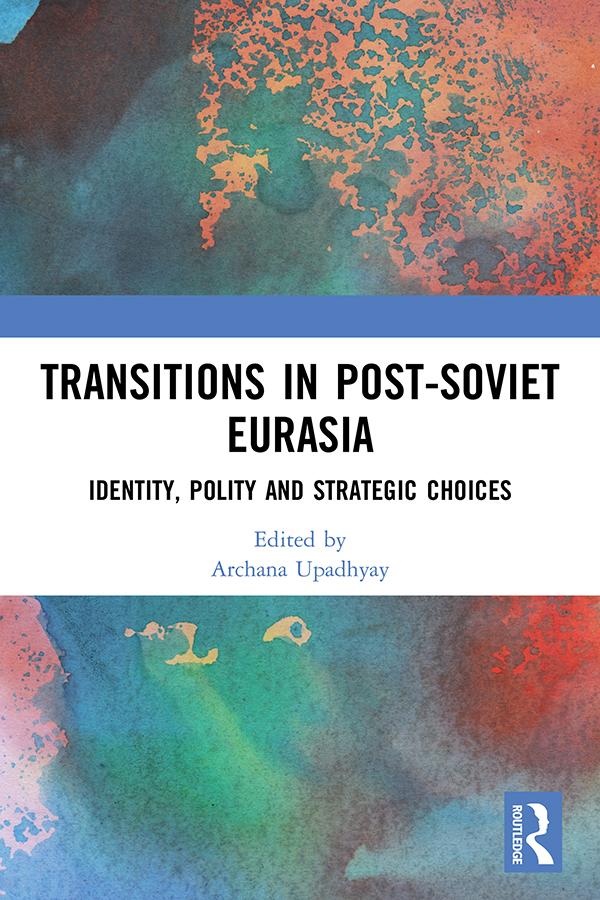
This book discusses the ideological and historical relevance of the term ‘Eurasia’ as a concept in the global geopolitical and ethno-cultural discourse. It focuses on the contested meanings attached to the idea and traces its historical evolution and interpretations.
The volume examines the contours and characteristics of power politics in the Eurasian landscape by exploring the dynamics of the contending and competing interests that have come to occupy the region, particularly in the aftermath of the disintegration of the Soviet Union. It further examines the multiple narratives that define the socio-political realities of the region and also the policies of the state actors involved, by reflecting upon the multifaceted dimensions of the Eurasian issues. These include nation building strategies, identity, ethnic conflicts, security, democratization, globalization, international migration, climate change and energy extraction. The geopolitical and civilizational aspects of Eurasianism, in which Russia occupies a pivotal geo-political place creates both opportunities and anxieties for other stakeholders in the region. The book also holistically analyses the developmental dimensions of the post-Soviet space and ‘Eurasianism’ as a concept and political practice in domestic, regional and global affairs.
The book also analyses the developmental dimensions of the post-Soviet space and ‘Eurasianism’ as a concept and political practice in domestic, regional and global affairs.
Betala smidigt med kort, Klarna, Apple Pay eller Google Pay. Är du inte nöjd har du alltid 14 dagars ångerrätt. Läs mer i våra villkor. Har du några frågor, mejla oss på hello@memmo.org.
Memmo gör det enklare att plugga – var du än är i världen. Hos oss samlar du kursböcker och smarta studieverktyg på ett och samma ställe: sammanfattningar, quiz, poddar och flashcards. Och så Ted, din studiekompis som svarar på allt du undrar. Över 50 000 studenter pluggar redan här – byggt för att du ska lära dig snabbare och stressa mindre.