
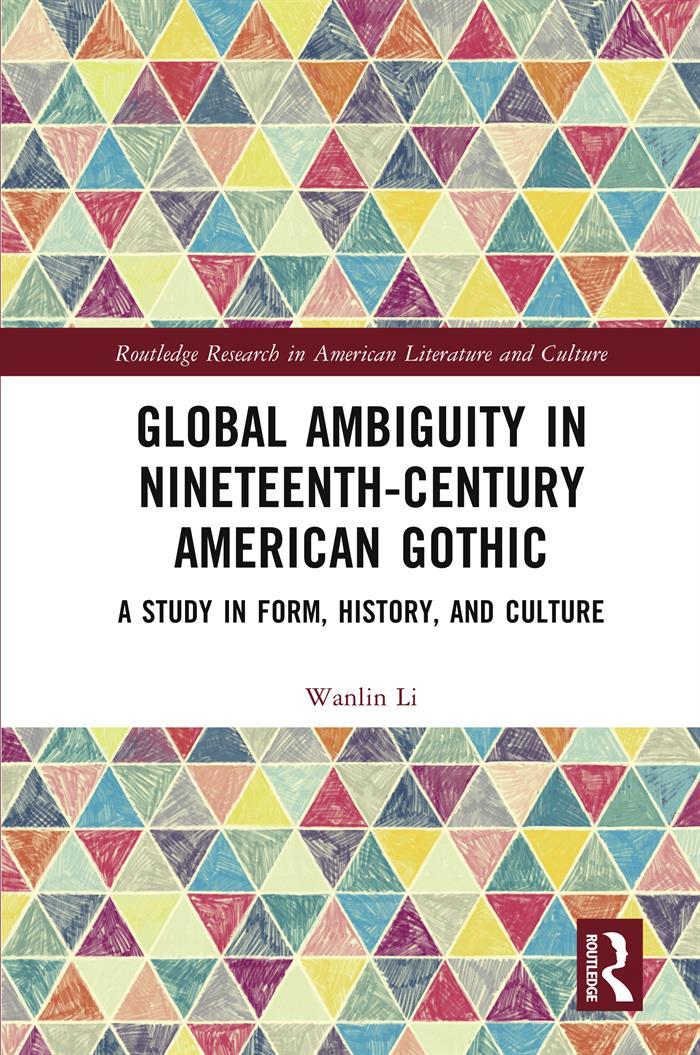
As part of a larger attempt to understand the dynamic interactions between gothic form and ideology, this volume focuses on a strong formal feature of the American gothic, "global ambiguity," and examines the important cultural work it performs in the nineteenth-century history of the genre.
The author defines "global ambiguity" as occurring in texts whose internal evidence supports equally plausible and yet mutually exclusive interpretations. Combining insights from narrative theory and cultural studies, she investigates the narrative origin of global ambiguity and the ways in which it produces culturally meaningful readings. Canonical works and obscure ones from American gothic authors such as Charles Brockden Brown, Edgar Allan Poe, Nathaniel Hawthorne, Herman Melville, Louisa May Alcott, and Henry James are reexamined. This study reveals that the nineteenth-century American gothicists developed the gothic into an aesthetically sophisticated mode that engaged intensely with the pressing problems of American society, including moral citizenship, slavery, and the social status of women, and reimagined social realities in politically constructive manners.
Literary scholars, students, and general readers interested in gothic literature, American literature, or narrative theory will find this book informative and inspiring.
Betala smidigt med kort, Klarna, Apple Pay eller Google Pay. Är du inte nöjd har du alltid 14 dagars ångerrätt. Läs mer i våra villkor. Har du några frågor, mejla oss på hello@memmo.org.
Memmo gör det enklare att plugga – var du än är i världen. Hos oss samlar du kursböcker och smarta studieverktyg på ett och samma ställe: sammanfattningar, quiz, poddar och flashcards. Och så Ted, din studiekompis som svarar på allt du undrar. Över 50 000 studenter pluggar redan här – byggt för att du ska lära dig snabbare och stressa mindre.