
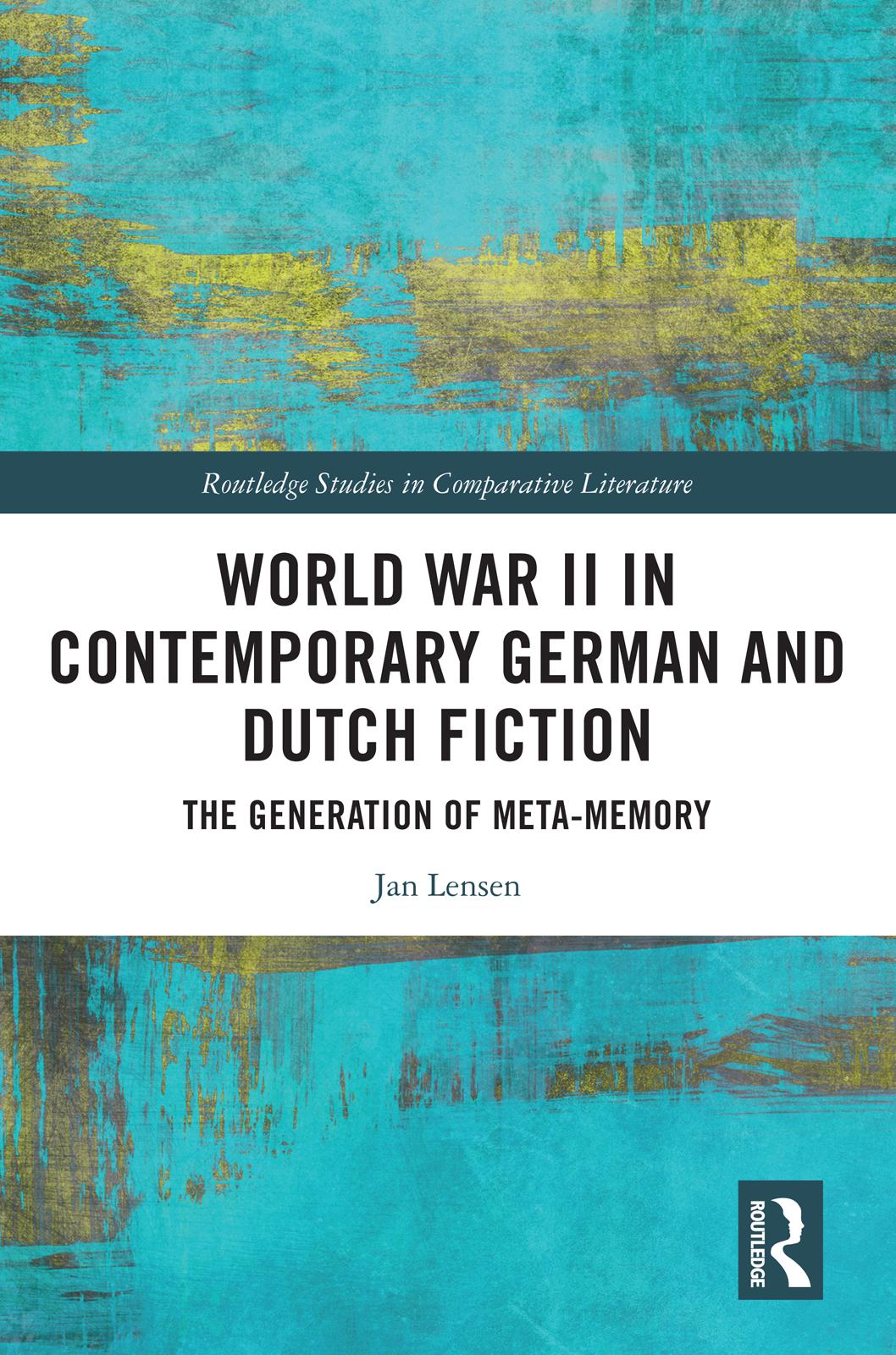
World War II in Contemporary German and Dutch Fiction: The Generation of Meta-Memory offers a comparative study of the construction of World War II memory in contemporary German, Flemish, and Dutch literature. More specifically, it investigates in what ways the large temporal distance to the historical events has impacted how literary writers from these three literatures have negotiated its meaning and form during the last decades. To that end, this book offers analyses of nine novels that demonstrate a pronounced reflexivity on the conditions of contemporary remembering. Rather than a dig for historical truth or a struggle with historical trauma, these novels reflect on the transmission, the narrative shapes, the formation processes, and the functions of World War II memory today, while asserting a self-conscious and often irreverent approach toward established mnemonic routines, practices, and rules. As the analyses show, this approach is equally articulated through the novels’ poetics, which are marked by a large formal diversity and a playfulness that highlights mnemonic agency, a posttraumatic positioning, and the ascendency of the literary over the historiographical. Based on these findings, this book proposes the emergence of a new paradigm within the postwar cultural assessment of World War II: the generation of meta-memory.
Betala smidigt med kort, Klarna, Apple Pay eller Google Pay. Är du inte nöjd har du alltid 14 dagars ångerrätt. Läs mer i våra villkor. Har du några frågor, mejla oss på hello@memmo.org.
Memmo gör det enklare att plugga – var du än är i världen. Hos oss samlar du kursböcker och smarta studieverktyg på ett och samma ställe: sammanfattningar, quiz, poddar och flashcards. Och så Ted, din studiekompis som svarar på allt du undrar. Över 50 000 studenter pluggar redan här – byggt för att du ska lära dig snabbare och stressa mindre.