
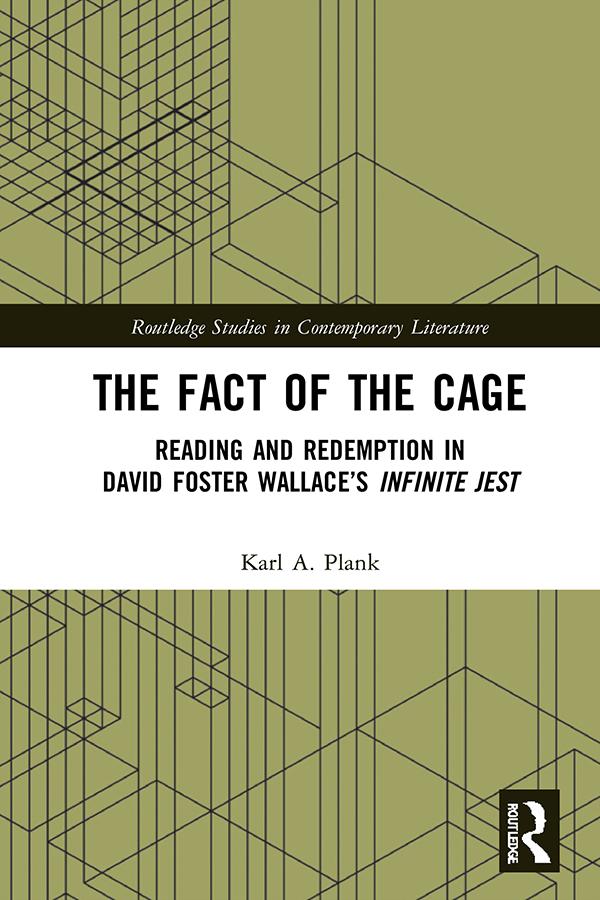
David Foster Wallace’s Infinite Jest raised expectations of what a novel might do. As he understood fiction to aim at what it means to be human, so he hoped his work might relieve the loneliness of human suffering. In that light, The Fact of the Cage shows how Wallace’s masterpiece dramatizes the condition of encagement and how it comes to be met by "Abiding" and through inter-relational acts of speaking and hearing, touching, and facing. Revealing Wallace’s theology of a "boneless Christ," The Fact of the Cage wagers that reading such a novel as Infinite Jest makes available to readers the redemption glimpsed in its pages, that reading fiction has ethical and religious significance—in short, that reading Infinite Jest makes one better. As such, Plank’s work takes steps to defend the ethics of fiction, the vital relation between religion and literature, and why one just might read at all.
Betala smidigt med kort, Klarna, Apple Pay eller Google Pay. Är du inte nöjd har du alltid 14 dagars ångerrätt. Läs mer i våra villkor. Har du några frågor, mejla oss på hello@memmo.org.
Memmo gör det enklare att plugga – var du än är i världen. Hos oss samlar du kursböcker och smarta studieverktyg på ett och samma ställe: sammanfattningar, quiz, poddar och flashcards. Och så Ted, din studiekompis som svarar på allt du undrar. Över 50 000 studenter pluggar redan här – byggt för att du ska lära dig snabbare och stressa mindre.