
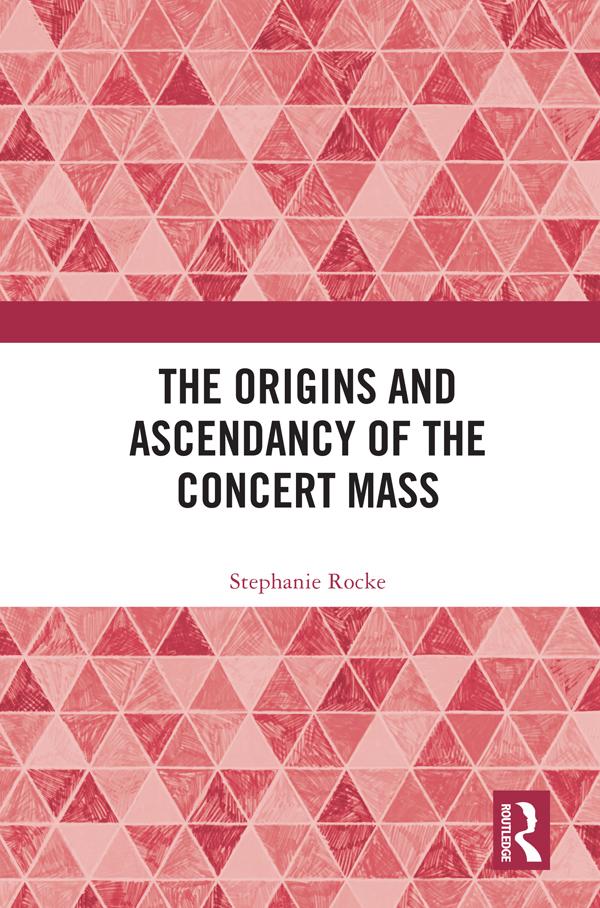
The mass is an extraordinary musical form. Whereas other Western art music genres from medieval times have fallen out of favour, the mass has not merely survived but flourished. A variety of historical forces within religious, secular, and musical arenas saw the mass expand well beyond its origins as a cycle of medieval chants, become concertised and ultimately bifurcate. Even as Western societies moved away from their Christian origins to become the religiously plural and politically secular societies of today, and the Church itself moved in favour of congregational singing, composers continued to compose masses. By the early twentieth century two forms of mass existed: the liturgical mass composed for church services, and the concert mass composed for secular venues. Spanning two millennia, The Origins and Ascendancy of the Concert Mass outlines the origins and meanings of the liturgical texts, defines the concert mass, explains how and why the split occurred, and provides examples that demonstrate composers’ gradual appropriation of the genre as a vehicle for personal expression on serious issues. By the end of the twentieth century the concert mass had become a repository for an eclectic range of theological and political ideas.
Betala smidigt med kort, Klarna, Apple Pay eller Google Pay. Är du inte nöjd har du alltid 14 dagars ångerrätt. Läs mer i våra villkor. Har du några frågor, mejla oss på hello@memmo.org.
Memmo gör det enklare att plugga – var du än är i världen. Hos oss samlar du kursböcker och smarta studieverktyg på ett och samma ställe: sammanfattningar, quiz, poddar och flashcards. Och så Ted, din studiekompis som svarar på allt du undrar. Över 50 000 studenter pluggar redan här – byggt för att du ska lära dig snabbare och stressa mindre.