
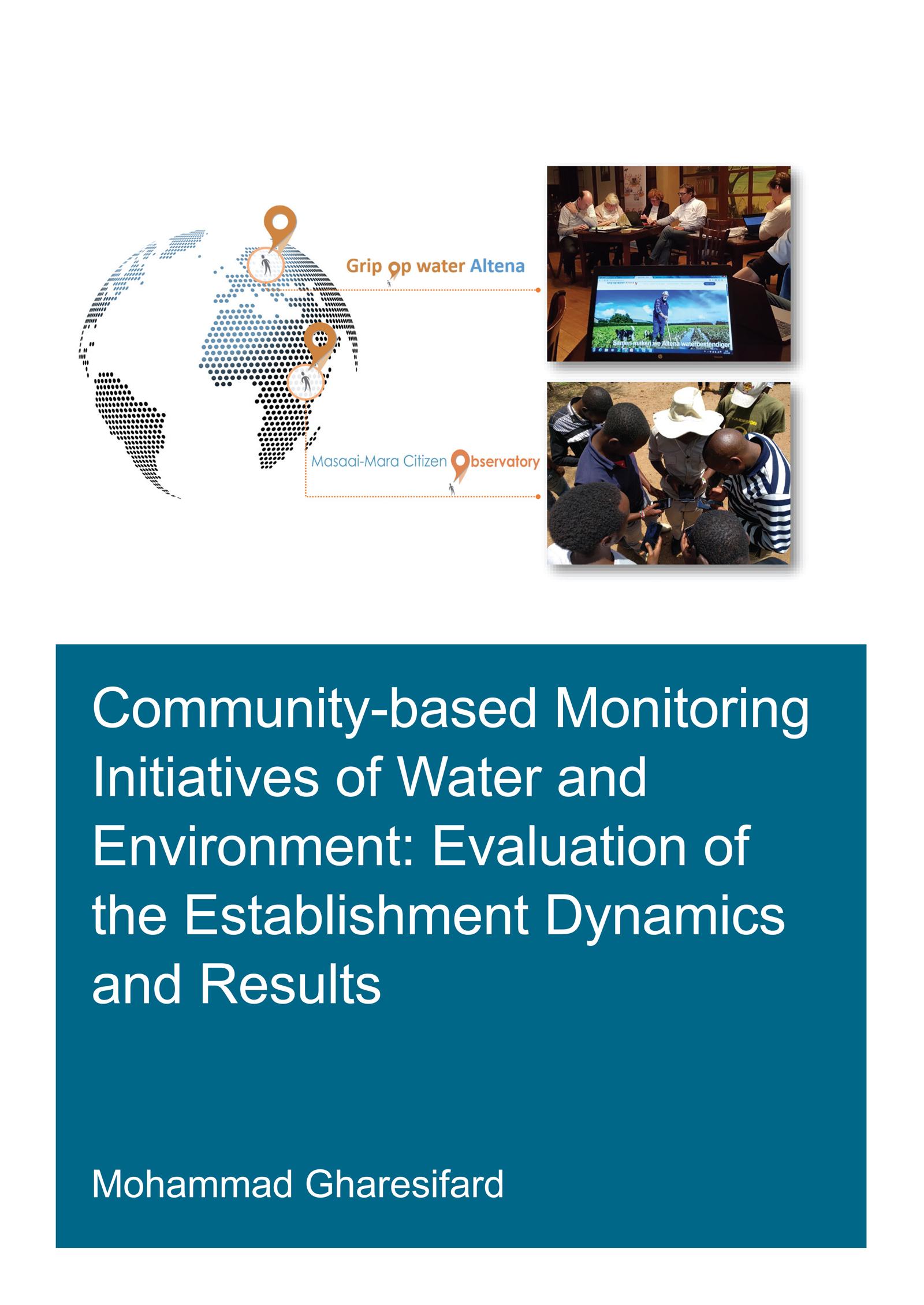
Citizen participation in water and environmental management via community-based monitoring (CBM) has been praised for the potential to facilitate better informed, more inclusive, transparent, and representative decision making. However, methodological and empirical research trying to conceptualize and evaluate the dynamics at play that might enable or hinder these initiatives from delivering on their potential is limited. This research contributed to the conceptualization of CBMs through development of a conceptual framework that is suitable for Context analysis, Process evaluation and Impact assessment of CBMs – the CPI Framework. This conceptualization provides an interpretation of what 'community' means in the context of a CBM initiative. In addition, this research contributed to the existing empirical knowledge about the establishment, functioning and outcomes of CBMs by testing the CPI Framework for studying two real life CBMs throughout the lifetime of an EU-funded project - the Ground Truth 2.0. The first CBM is called Grip op Water Altena that focuses on the issue of pluvial floods in 'Land van Heusden en Altena' of the Netherlands. The second CBM is Maasai Mara Citizen Observatory and aims at contributing to a better balance between biodiversity conservation and sustainable livelihood management in the Mara ecosystem in Kenya.
Betala smidigt med kort, Klarna, Apple Pay eller Google Pay. Är du inte nöjd har du alltid 14 dagars ångerrätt. Läs mer i våra villkor. Har du några frågor, mejla oss på hello@memmo.org.
Memmo gör det enklare att plugga – var du än är i världen. Hos oss samlar du kursböcker och smarta studieverktyg på ett och samma ställe: sammanfattningar, quiz, poddar och flashcards. Och så Ted, din studiekompis som svarar på allt du undrar. Över 50 000 studenter pluggar redan här – byggt för att du ska lära dig snabbare och stressa mindre.