
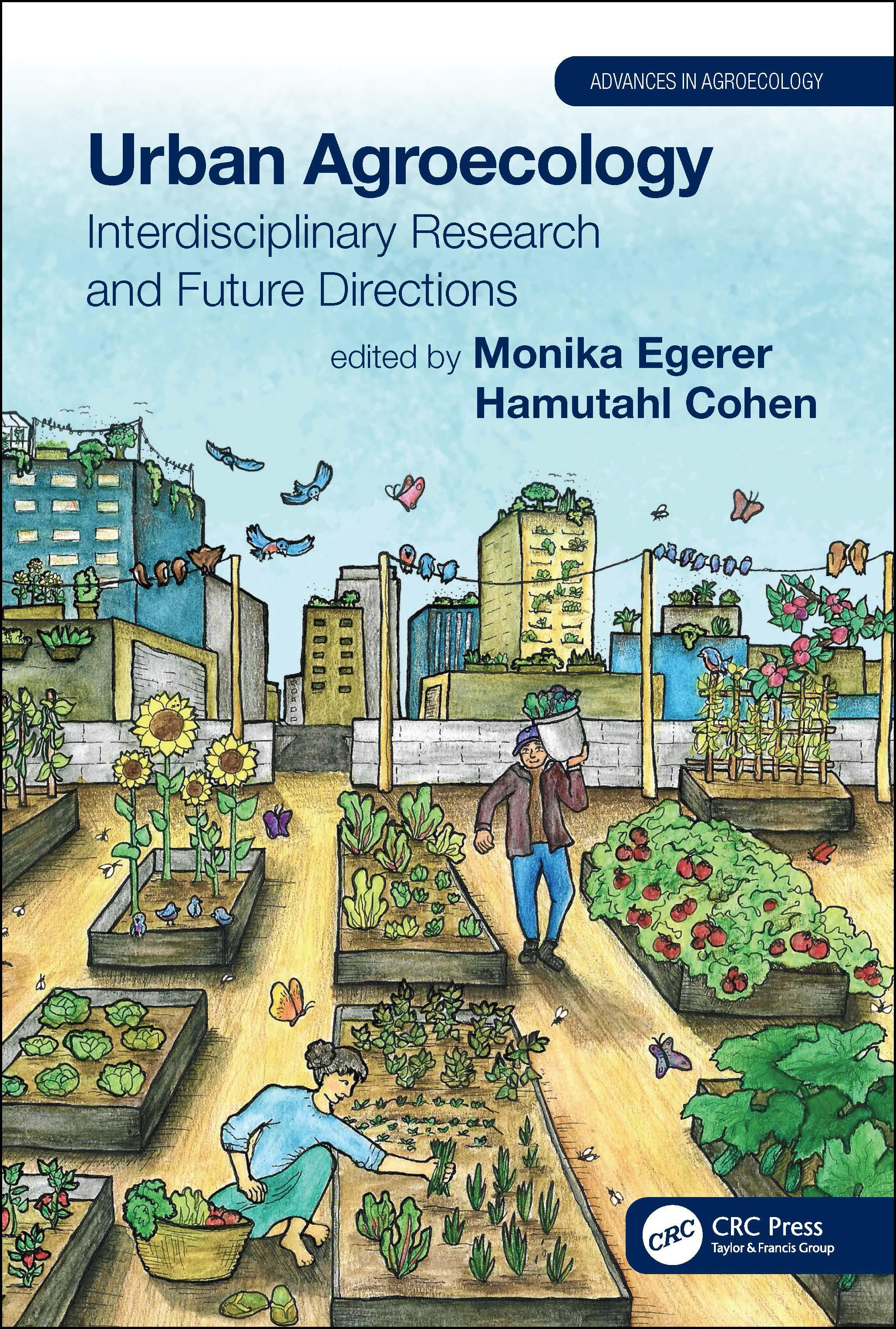
Today, 20 percent of the global food supply relies on urban agriculture: social-ecological systems shaped by both human and non-human interactions. This book shows how urban agroecologists measure flora and fauna that underpin the ecological dynamics of these systems, and how people manage and benefit from these systems. It explains how the sociopolitical landscape in which these systems are embedded can in turn shape the social, ecological, political, and economic dynamics within them. Synthesizing interdisciplinary approaches in urban agroecology in the natural and social sciences, the book explores methodologies and new directions in research that can be adopted by scholars and practitioners alike.
With contributions from researchers utilizing both social and natural science approaches, Urban Agroecology describes the current social-environmental understandings of the science, the movement and the practices in urban agroecology. By investigating the role of agroecology in cities, the book calls for the creation of spaces for food to be sustainably grown in urban spaces: an Urban Agriculture (UA) movement. Essential reading for graduate students, practitioners, policy makers and researchers, this book charts the course for accelerating this movement.
Betala smidigt med kort, Klarna, Apple Pay eller Google Pay. Är du inte nöjd har du alltid 14 dagars ångerrätt. Läs mer i våra villkor. Har du några frågor, mejla oss på hello@memmo.org.
Memmo gör det enklare att plugga – var du än är i världen. Hos oss samlar du kursböcker och smarta studieverktyg på ett och samma ställe: sammanfattningar, quiz, poddar och flashcards. Och så Ted, din studiekompis som svarar på allt du undrar. Över 50 000 studenter pluggar redan här – byggt för att du ska lära dig snabbare och stressa mindre.