
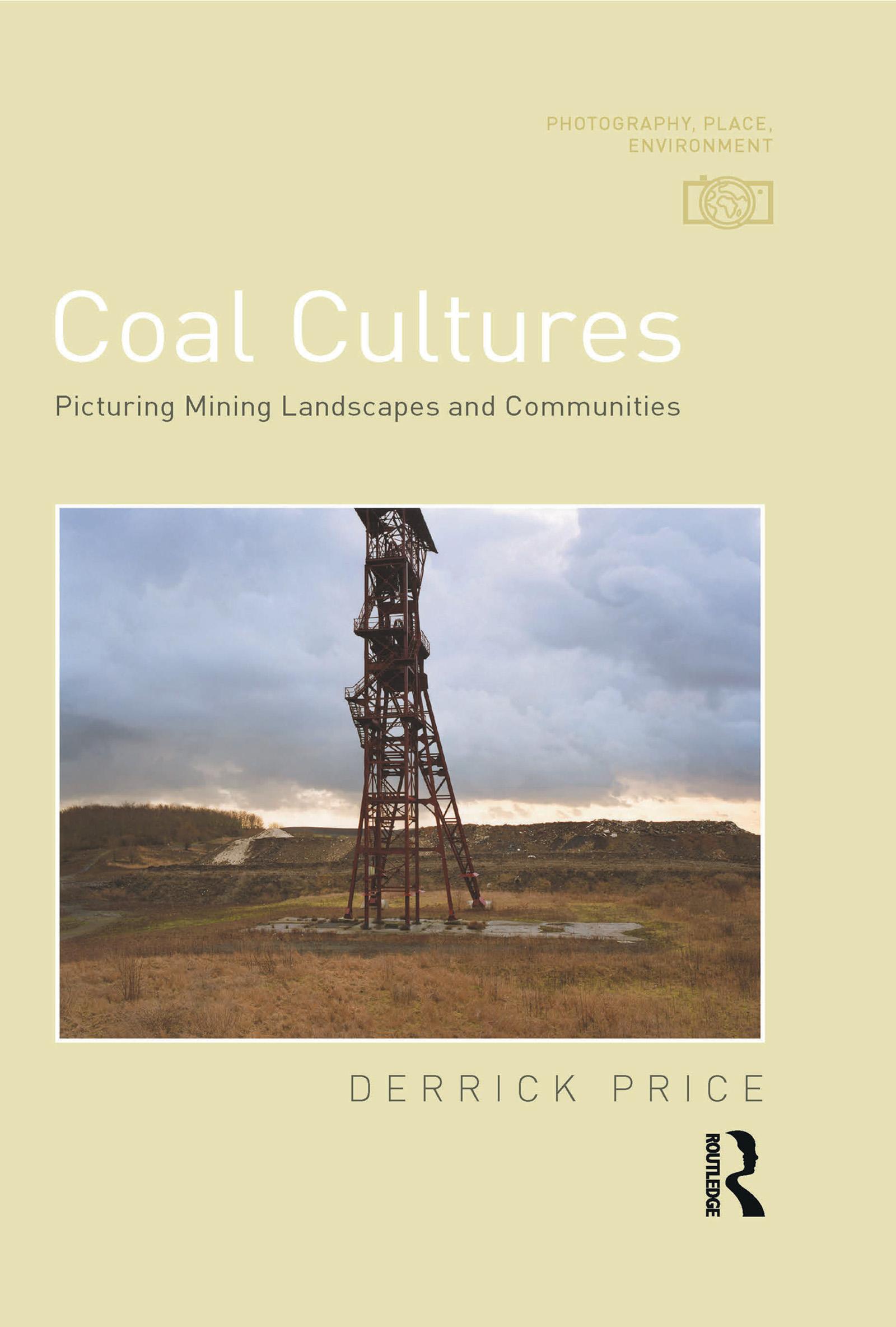
Coal is the commodity that powered the technologies that made the modern world. It also brought about unique communities marked by a high degree of social solidarity and self-help. Mining was central to working class life, drawing rural populations into industrial labour, but it often took place in picturesque landscapes, so that its black spoil heaps became a central symbol of the degradation of pastoral life by the demands of an extractive industry.
Throughout Europe and the USA photographers have pictured the characteristic landscapes of the industry, and continue to do so as strip mining devastates huge areas of land. Not only landscape photography but also documentary, portraiture, photojournalism and art photography have been used in order to portray mines and miners. This book presents three interlinked strands of investigation. The first is the way in which the production of coal created paradigmatic communities grounded in particular landscapes. The second concerns the role of photography in exploring, delineating and critiquing mining communities. This in turn involves an examination of the aesthetic and social characteristics of a number of genres of photography. Lastly, it considers the growth and decline of these sites, the geographic shift of the industry to other places, and the re-presentation of traditional localities through the lens of the heritage industry and industrial tourism.
Betala smidigt med kort, Klarna, Apple Pay eller Google Pay. Är du inte nöjd har du alltid 14 dagars ångerrätt. Läs mer i våra villkor. Har du några frågor, mejla oss på hello@memmo.org.
Memmo gör det enklare att plugga – var du än är i världen. Hos oss samlar du kursböcker och smarta studieverktyg på ett och samma ställe: sammanfattningar, quiz, poddar och flashcards. Och så Ted, din studiekompis som svarar på allt du undrar. Över 75 000 studenter pluggar redan här – byggt för att du ska lära dig snabbare och stressa mindre.