
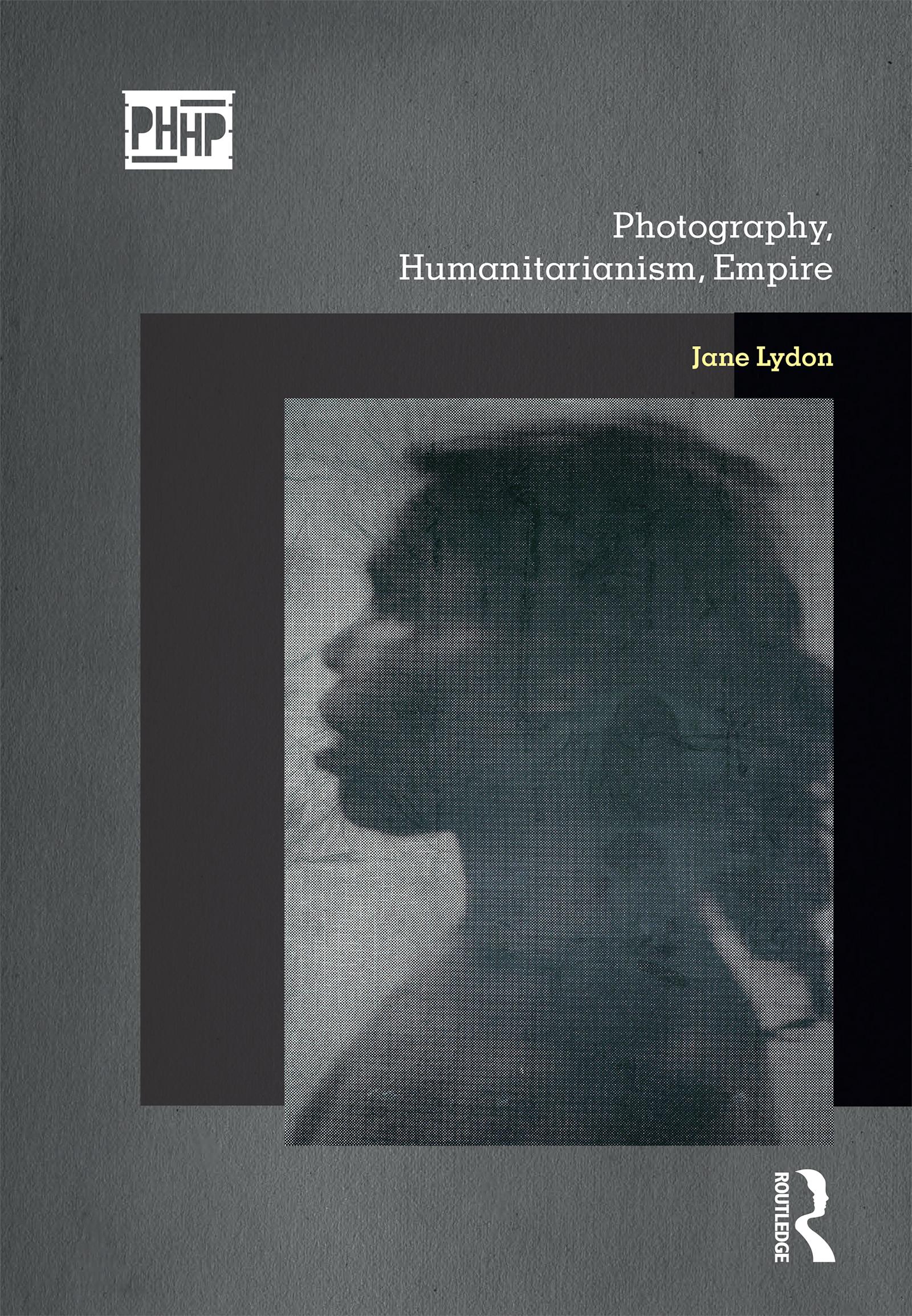
With their power to create a sense of proximity and empathy, photographs have long been a crucial means of exchanging ideas between people across the globe; this book explores the role of photography in shaping ideas about race and difference from the 1840s to the 1948 Declaration of Human Rights. Focusing on Australian experience in a global context, a rich selection of case studies – drawing on a range of visual genres, from portraiture to ethnographic to scientific photographs – show how photographic encounters between Aboriginals, missionaries, scientists, photographers and writers fuelled international debates about morality, law, politics and human rights.Drawing on new archival research, Photography, Humanitarianism, Empire is essential reading for students and scholars of race, visuality and the histories of empire and human rights.
The Open Access version of this book, available at http://www.taylorfrancis.com, has been made available under a Creative Commons Attribution-Non Commercial-No Derivatives (CC BY-NC-ND) 4.0 license.
Betala smidigt med kort, Klarna, Apple Pay eller Google Pay. Är du inte nöjd har du alltid 14 dagars ångerrätt. Läs mer i våra villkor. Har du några frågor, mejla oss på hello@memmo.org.
Memmo gör det enklare att plugga – var du än är i världen. Hos oss samlar du kursböcker och smarta studieverktyg på ett och samma ställe: sammanfattningar, quiz, poddar och flashcards. Och så Ted, din studiekompis som svarar på allt du undrar. Över 50 000 studenter pluggar redan här – byggt för att du ska lära dig snabbare och stressa mindre.