
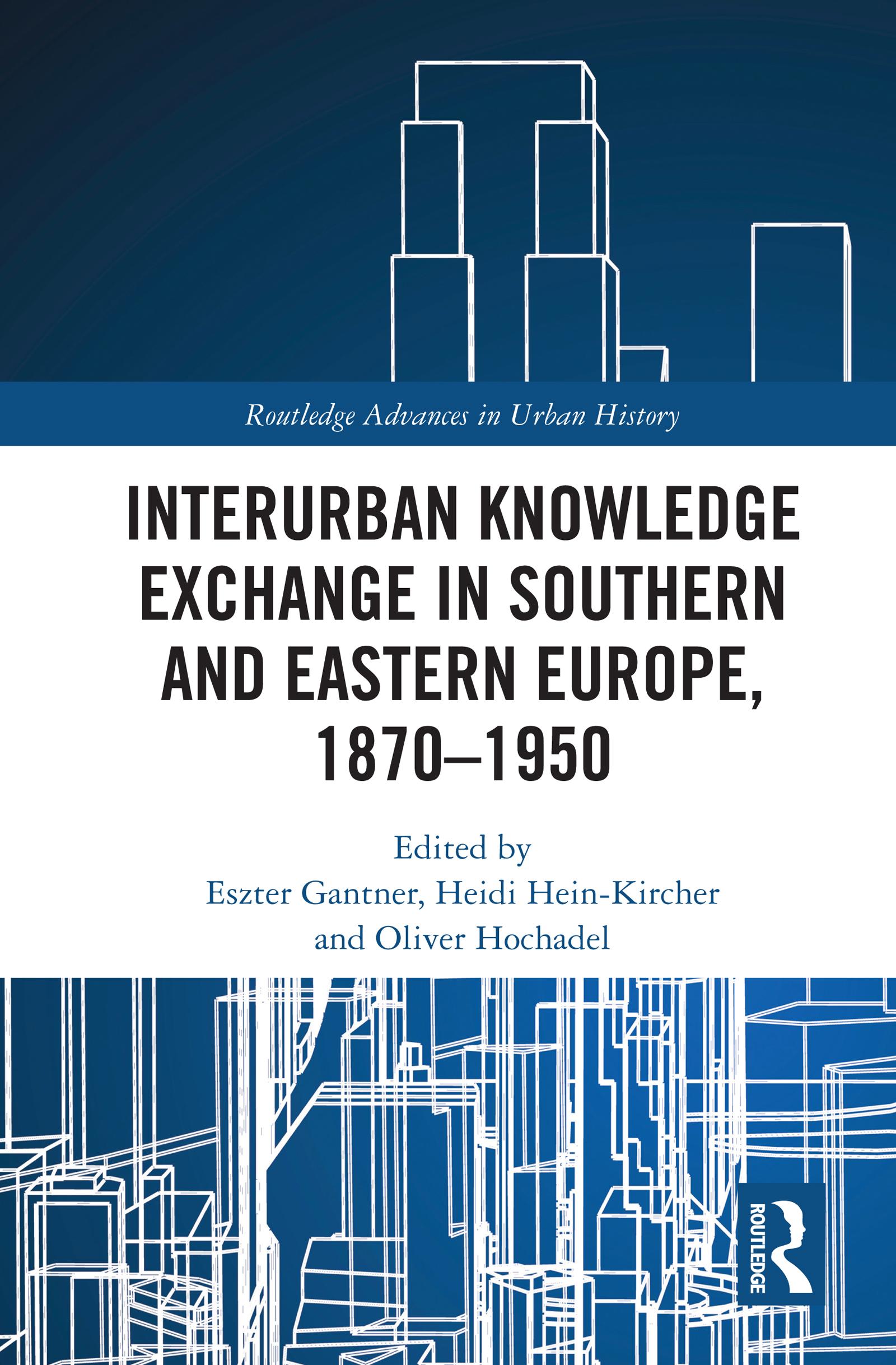
Around 1900 cities in Southern and Eastern Europe were persistently labeled "backward" and "delayed." Allegedly, they had no alternative but to follow the role model of the metropolises, of London, Paris or Vienna. This edited volume fundamentally questions this assumption. It shows that cities as diverse as Barcelona, Berdyansk, Budapest, Lviv, Milan, Moscow, Prague, Warsaw and Zagreb pursued their own agendas of modernization. In order to solve their pressing problems with respect to urban planning and public health, they searched for best practices abroad. The solutions they gleaned from other cities were eclectic to fit the specific needs of a given urban space and were thus often innovative. This applied urban knowledge was generated through interurban networks and multi-directional exchanges. Yet in the period around 1900, this transnational municipalism often clashed with the forging of urban and national identities, highlighting the tensions between the universal and the local.
This interurban perspective helps to overcome nationalist perspectives in historiography as well as outdated notions of "center and periphery." This volume will appeal to scholars from a large number of disciplines, including urban historians, historians of Eastern and Southern Europe, historians of science and medicine, and scholars interested in transnational connections.
Betala smidigt med kort, Klarna, Apple Pay eller Google Pay. Är du inte nöjd har du alltid 14 dagars ångerrätt. Läs mer i våra villkor. Har du några frågor, mejla oss på hello@memmo.org.
Memmo gör det enklare att plugga – var du än är i världen. Hos oss samlar du kursböcker och smarta studieverktyg på ett och samma ställe: sammanfattningar, quiz, poddar och flashcards. Och så Ted, din studiekompis som svarar på allt du undrar. Över 50 000 studenter pluggar redan här – byggt för att du ska lära dig snabbare och stressa mindre.