
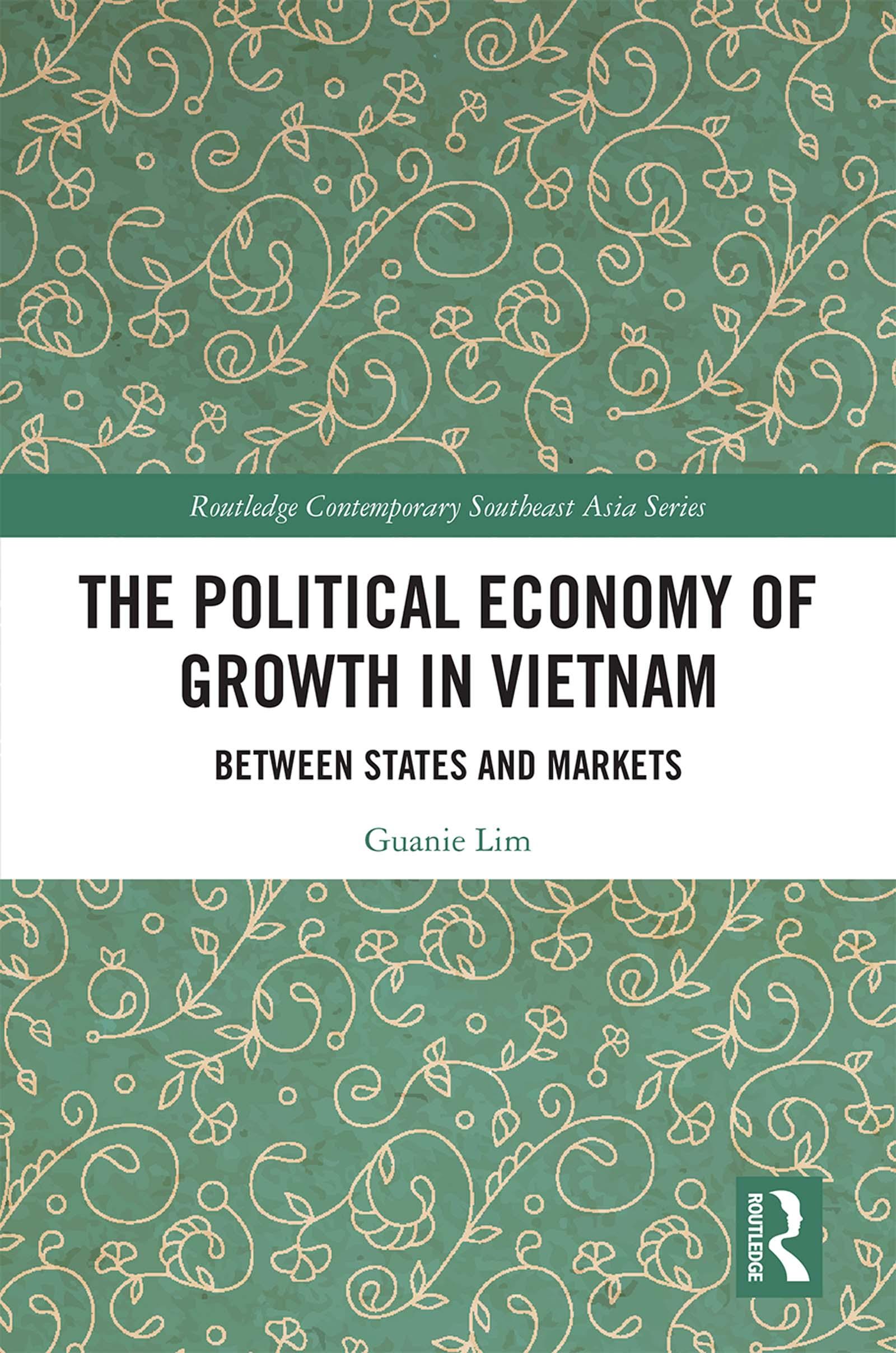
Since the doi moi reforms in 1986, Vietnam has experienced a dramatic socioeconomic
transformation. Lim examines the role of the state and its interaction
with market forces in bringing this change about.
Taking the motorcycle and banking industries as case studies, this book explores
the dynamics between the state and transnational corporations in shaping
the manufacturing and service sectors, respectively. Vietnam, as one of Southeast
Asia’s quintessential latecomer economies with little prior experience of
dealing with transnational corporations, has nevertheless been quite successful
in maintaining some control over the impact of foreign direct investment. Yet,
the learning outcomes remain highly uneven. In addition, Lim argues that Vietnamese
advancement in both industries mirrors only partially the more generalized
patterns of state-led development in East Asia’s earlier batch of latecomer
economies. Vietnam’s case thus presents practical lessons on how to succeed
in crafting and utilizing policy instruments to achieve domestic economic and
technological upgrading.
This book will be of great interest to scholars of political economy and industrial
policy in East Asia, as well as to scholars and policy professionals analyzing
approaches to development strategy more broadly.
Betala smidigt med kort, Klarna, Apple Pay eller Google Pay. Är du inte nöjd har du alltid 14 dagars ångerrätt. Läs mer i våra villkor. Har du några frågor, mejla oss på hello@memmo.org.
Memmo gör det enklare att plugga – var du än är i världen. Hos oss samlar du kursböcker och smarta studieverktyg på ett och samma ställe: sammanfattningar, quiz, poddar och flashcards. Och så Ted, din studiekompis som svarar på allt du undrar. Över 50 000 studenter pluggar redan här – byggt för att du ska lära dig snabbare och stressa mindre.