
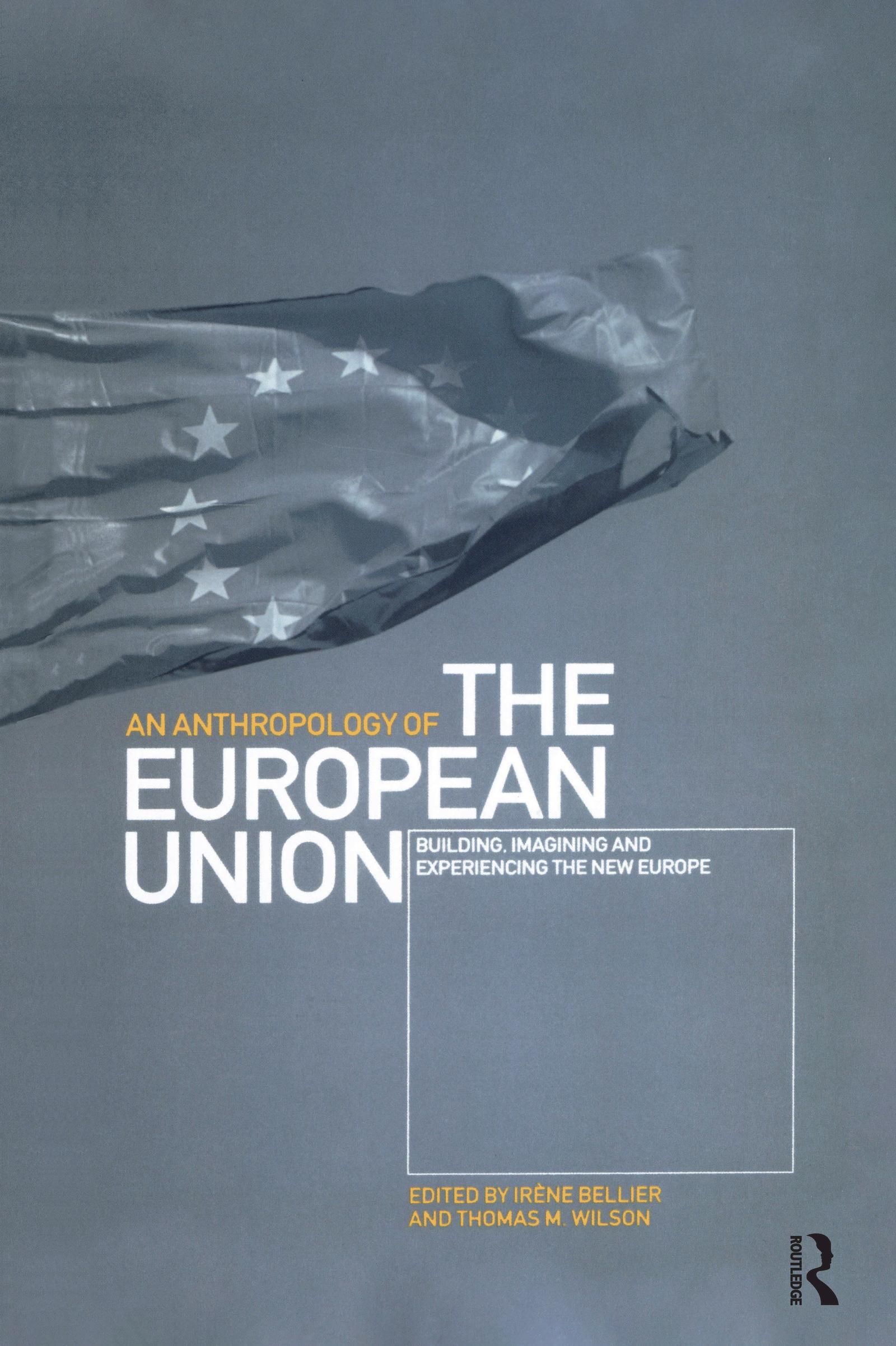
One of the problems facing Europe is that the building of institutional Europe and top-down efforts to get Europeans to imagine their common identity do not necessarily result in political and cultural unity. Anthropologists have been slow to consider the difficulties presented by the expansion of the EU model and its implications for Europe in the 21st Century. Representing a new trend in European anthropology, this book examines how people adjust to their different experiences of the new Europe. The role of culture, religion, and ideology, as well as insiders' social and professional practices, are all shown to shed light on the cultural logic sustaining the institutions and policies of the European Union. On the one hand, the activities of the European institutions in Brussels illustrate how people of many different nationalities, languages and cultures can live and work together. On the other hand, the interests of many people at the local, regional and national levels are not the same as the Eurocrats'. Contributors explore the issues of unity and diversity in ‘Europe-building' through various European institutions, images, and programmes, and their effects on a variety of definitions of identity in such locales as France, Denmark, the United Kingdom, Ireland and Belgium.
Sidor: 216
Kategori: Statsvetenskap & Politik
e-ISBN: 9781000181067
Fraktvikt: 1.2 kg
Skickas inom: 1-2 dagar
Betala smidigt med kort, Klarna, Apple Pay eller Google Pay. Är du inte nöjd har du alltid 14 dagars ångerrätt. Läs mer i våra villkor. Har du några frågor, mejla oss på hello@memmo.org.
Memmo gör det enklare att plugga – var du än är i världen. Hos oss samlar du kursböcker och smarta studieverktyg på ett och samma ställe: sammanfattningar, quiz, poddar och flashcards. Och så Ted, din studiekompis som svarar på allt du undrar. Över 50 000 studenter pluggar redan här – byggt för att du ska lära dig snabbare och stressa mindre.
Du kanske också gillar
Köp boken0