
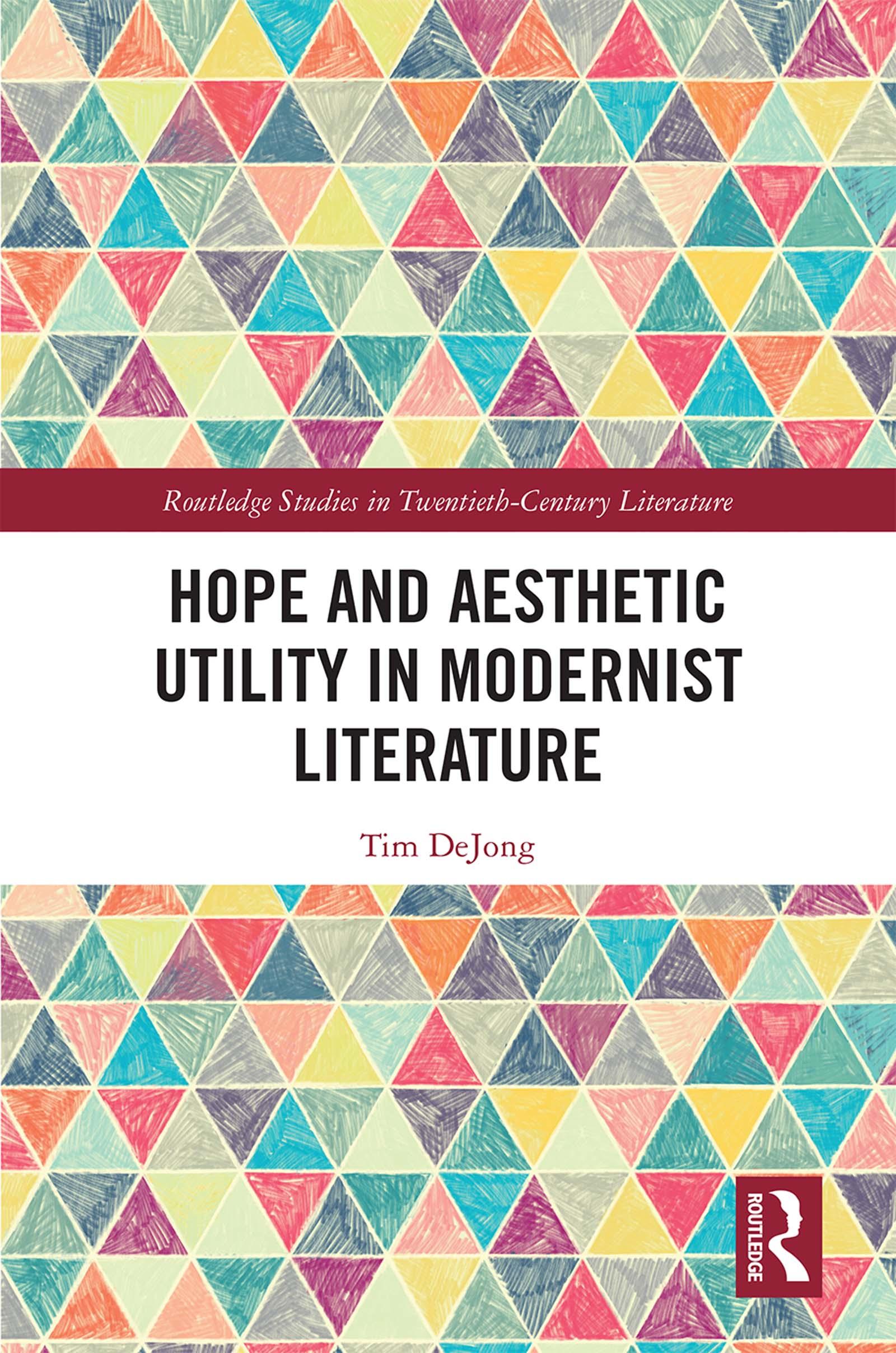
"Hope" and "modernism" are two words that are not commonly linked. Moving from much-discussed negative affects to positive forms of feeling, Hope and Aesthetic Utility in Modernist Literature argues that they should be. This book contends that much of modernist writing and thought reveals a deeply held confidence about the future, one premised on the social power of art itself. In chapters ranging across a diverse array of canonical writers – Henry James, D.W. Griffith, H.D., Melvin Tolson, and Samuel Beckett – this text locates in their works an optimism linked by a common faith in the necessity of artistic practice for cultural survival. In this way, the famously self-attentive nature of modernism becomes a means, for its central thinkers and artists, of reflecting on what DeJong calls aesthetic utility: the unpredictable, ungovernable capacity of the work of art to shape the future even while envisioning it.
Betala smidigt med kort, Klarna, Apple Pay eller Google Pay. Är du inte nöjd har du alltid 14 dagars ångerrätt. Läs mer i våra villkor. Har du några frågor, mejla oss på hello@memmo.org.
Memmo gör det enklare att plugga – var du än är i världen. Hos oss samlar du kursböcker och smarta studieverktyg på ett och samma ställe: sammanfattningar, quiz, poddar och flashcards. Och så Ted, din studiekompis som svarar på allt du undrar. Över 50 000 studenter pluggar redan här – byggt för att du ska lära dig snabbare och stressa mindre.