
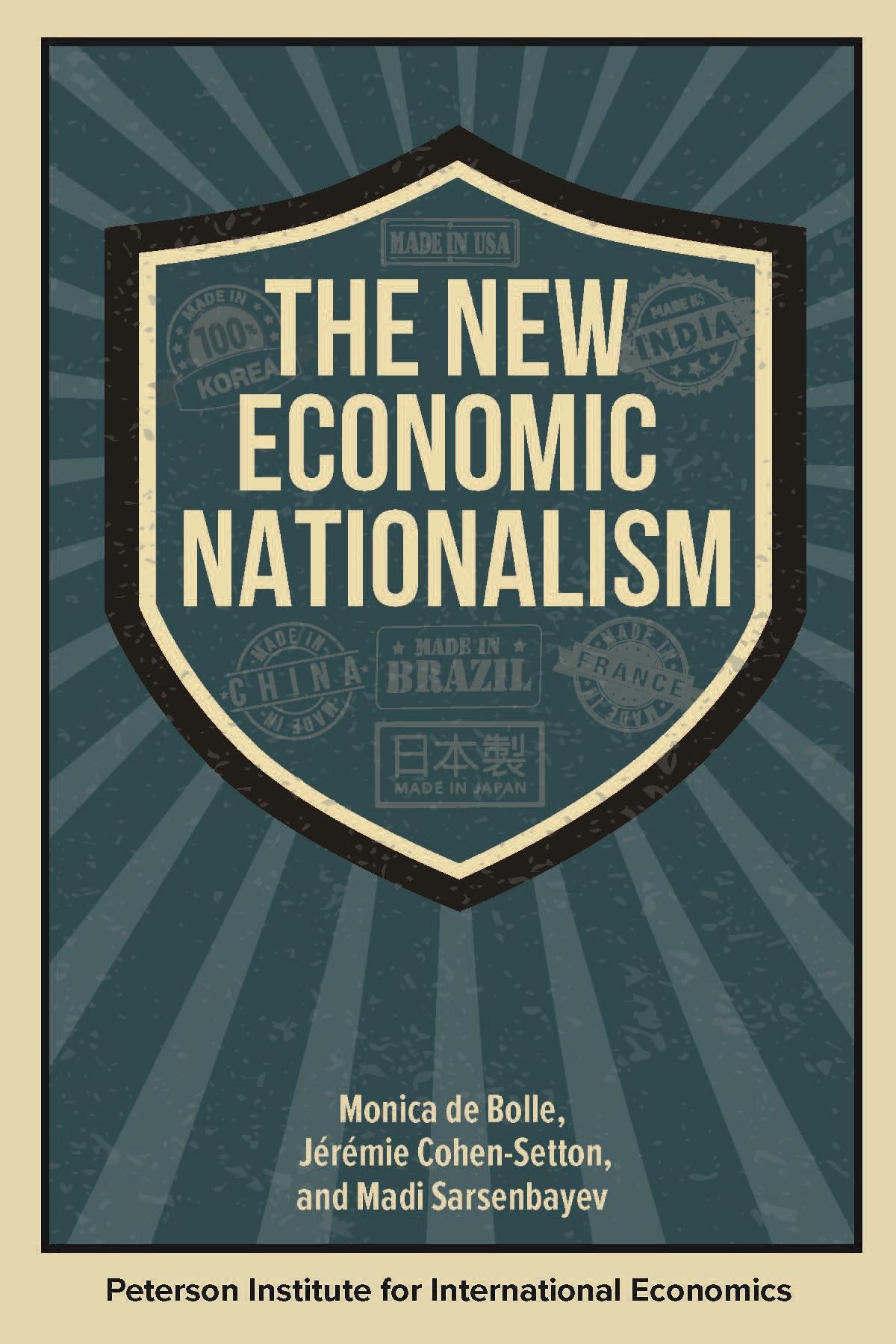
Empires, city states, and nations have long pursued aggressive trade, tax, and investment policies to amass wealth. A new consensus emerged after the Great Depression and World War II supporting liberalized international trade, economic cooperation, and free markets. Today that consensus has shattered, replaced by a “new economic nationalism” of industrial policy, tariffs, and various methods of state support for the economy. Can this new approach deliver stability, national security, and prosperity? This book examines case studies revealing a decidedly mixed record. In some instances, economic nationalist policies have fostered growth and declining unemployment, though accompanied by fiscal costs and inefficiency. In much of the developing world, however, economic nationalist policies have produced corruption, debt burdens, inflation, and ultimately stagnation. By examining the past, The New Economic Nationalism provides a roadmap to an uncertain future.
Betala smidigt med kort, Klarna, Apple Pay eller Google Pay. Är du inte nöjd har du alltid 14 dagars ångerrätt. Läs mer i våra villkor. Har du några frågor, mejla oss på hello@memmo.org.
Memmo gör det enklare att plugga – var du än är i världen. Hos oss samlar du kursböcker och smarta studieverktyg på ett och samma ställe: sammanfattningar, quiz, poddar och flashcards. Och så Ted, din studiekompis som svarar på allt du undrar. Över 50 000 studenter pluggar redan här – byggt för att du ska lära dig snabbare och stressa mindre.
Du kanske också gillar
Köp boken0