
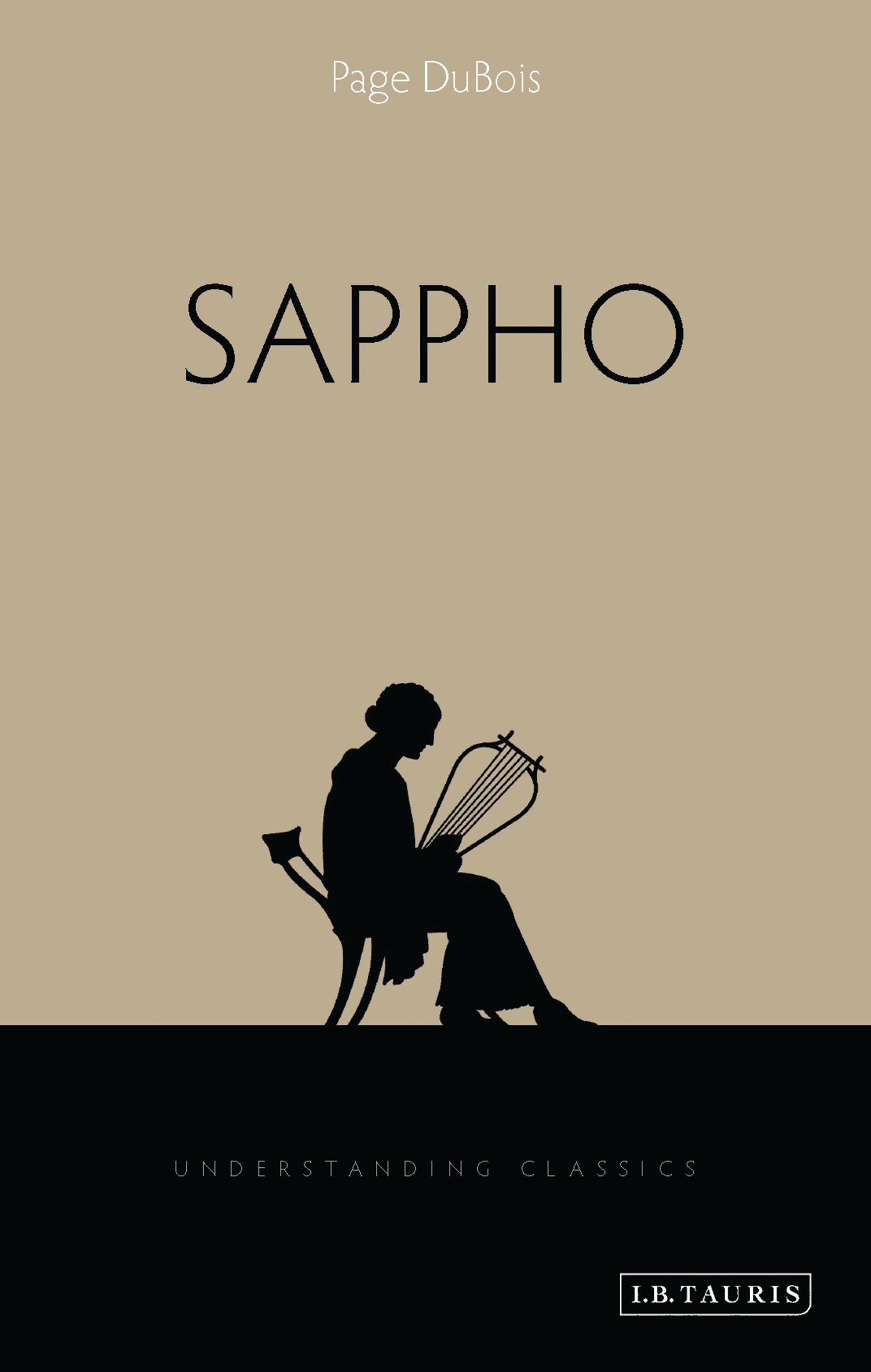
Sappho has been constructed as many things: proto-feminist, lesbian icon and even - by the Victorians - chaste headmistress of a girls' finishing school. Yet ironically, as Page DuBois shows, the historical poet herself remains elusive. We know that Sappho's contemporary Alcaeus described her as 'violet, pure, honey-smiling Sappho'; and that the rhetorician and philosopher Maximus of Tyre saw her, perhaps less enthusiastically, as 'small and dark'. We also know that her 7th/6th century BCE island of Lesbos was riven by tyrannical and aristocratic factionalism and that she was probably exiled to Sicily. Much of the rest is speculative. DuBois suggests that the value of Sappho lies elsewhere: in her remarkable verse, and in the poet's reception - one of the richest of any figure from antiquity. Offering nuanced readings of the poems, written in an archaic Aeolic dialect, DuBois skillfully draws out their sharp images and rhythmic melody. She further discusses the exciting discovery of a new verse fragment in 2004, and the ways in which Sappho influenced Catullus, Horace and Ovid, as well as later writers and painters.
Betala smidigt med kort, Klarna, Apple Pay eller Google Pay. Är du inte nöjd har du alltid 14 dagars ångerrätt. Läs mer i våra villkor. Har du några frågor, mejla oss på hello@memmo.org.
Memmo gör det enklare att plugga – var du än är i världen. Hos oss samlar du kursböcker och smarta studieverktyg på ett och samma ställe: sammanfattningar, quiz, poddar och flashcards. Och så Ted, din studiekompis som svarar på allt du undrar. Över 50 000 studenter pluggar redan här – byggt för att du ska lära dig snabbare och stressa mindre.