
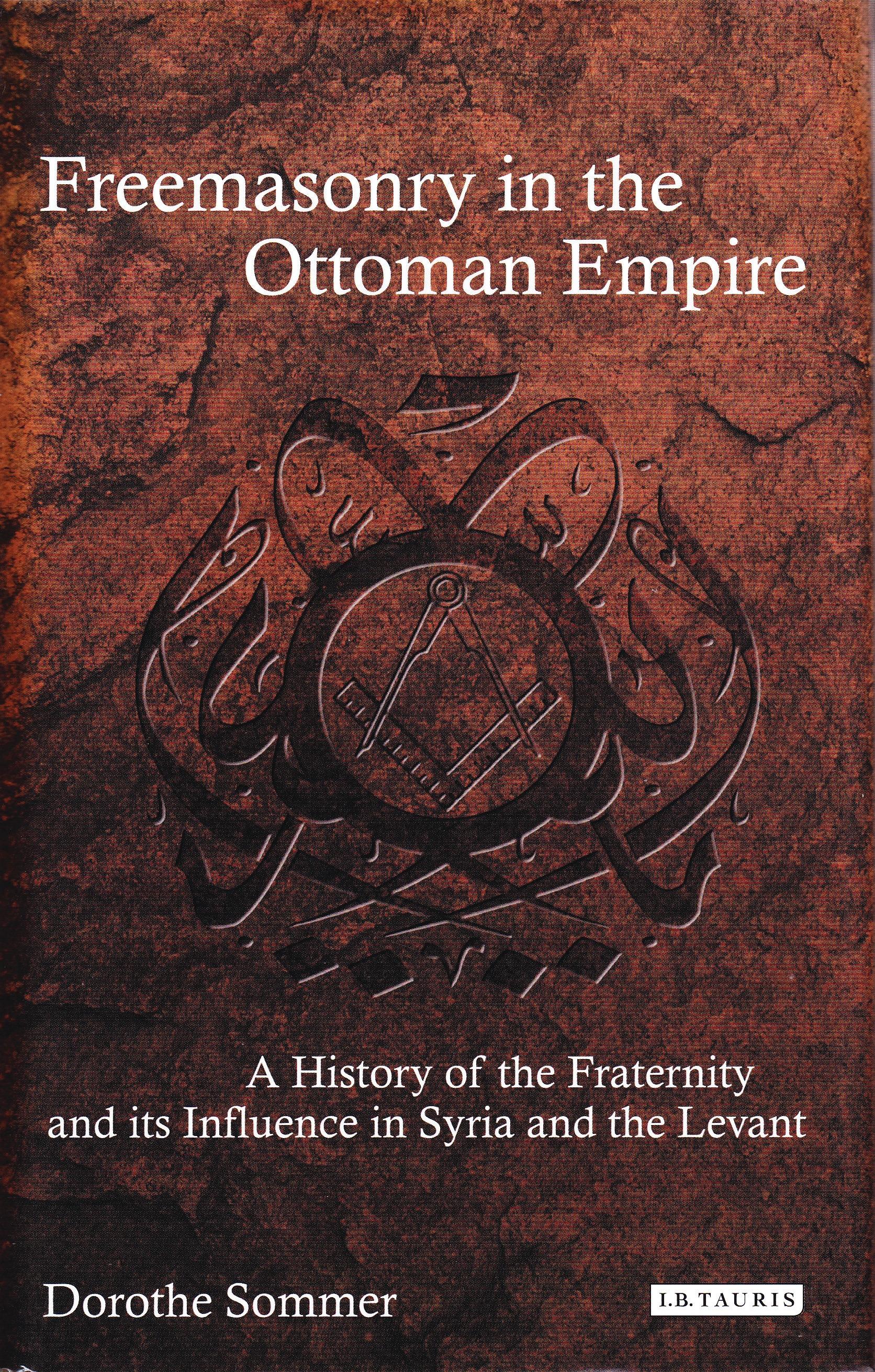
The network of freemasons and Masonic lodges in the Middle East is an opaque and mysterious one, and is all too often seen – within the area – as a vanguard for Western purposes of regional domination. But here, Dorothe Sommer explains how freemasonry in Greater Syria at the end of the nineteenth and beginning of the twentieth century actually developed a life of its own, promoting local and regional identities. She stresses that during the rule of the Ottoman Empire, freemasonry was actually one of the first institutions in what is now Syria and Lebanon which overcame religious and sectarian divisions. Indeed, the lodges attracted more participants – such as the members of the Trad and Yaziji Family, Khaireddeen Abdulwahab, Hassan Bayhum, Alexander Barroudi and Jurji Yanni - than any other society or fraternity. Freemasonry in the Ottoman Empire analyses the social and cultural structures of the Masonic network of lodges and their interconnections at a pivotal juncture in the history of the Ottoman Empire, making it invaluable for researchers of the history of the Middle East.
Betala smidigt med kort, Klarna, Apple Pay eller Google Pay. Är du inte nöjd har du alltid 14 dagars ångerrätt. Läs mer i våra villkor. Har du några frågor, mejla oss på hello@memmo.org.
Memmo gör det enklare att plugga – var du än är i världen. Hos oss samlar du kursböcker och smarta studieverktyg på ett och samma ställe: sammanfattningar, quiz, poddar och flashcards. Och så Ted, din studiekompis som svarar på allt du undrar. Över 50 000 studenter pluggar redan här – byggt för att du ska lära dig snabbare och stressa mindre.